
Australian States Urged to Sue Big Tobacco for $50 Billion
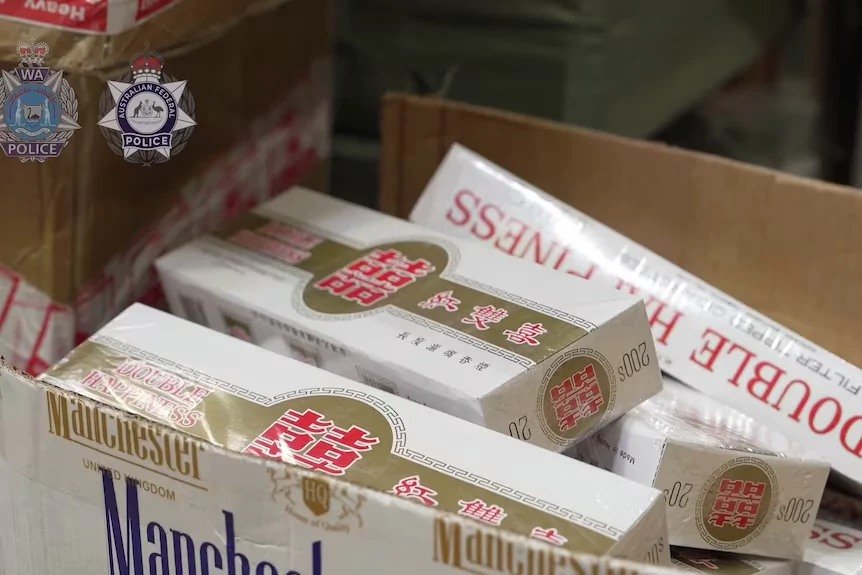
Former barrister Neil Francey has drafted a legal blueprint calling on Australian state governments to sue major tobacco companies in federal court for up to $50 billion. The action aims to recover decades of taxpayer-funded hospital and medical expenses incurred from smoking-related diseases.
Presented at the Clinical Oncology Society of Australia’s annual scientific meeting, the proposal targets British American Tobacco Australia, Philip Morris, Imperial Brands, and their multinational parent corporations. The plan urges Australia’s six states to pool resources into a dedicated legal taskforce, excluding the Northern Territory and the ACT due to differing Commonwealth healthcare funding structures.
The proposed litigation seeks to recoup public healthcare costs dating back to 2000, when internal industry files confirmed that manufacturers knew smoking caused fatal diseases while publicly concealing the data. As the proposal states:
“For decades, the tobacco industry has unjustly enriched itself while distracting and confusing smokers about the harms and addictiveness of their product. The industry has not been forced to bear the full costs of the harm caused by their product. These costs have either been borne by smokers themselves, or by taxpayers when smokers get sick and receive publicly funded or subsidised health care.”
Using Consumer Law to Bypass Past Litigation Barriers
Francey, who in 1991 helped secure a federal court finding that secondhand smoke causes respiratory disease in non-smokers, designed the proposal under Australian consumer protection statutes. This approach targets deceptive commercial conduct rather than pursuing individual injury claims.
Individual personal injury lawsuits often stall because plaintiffs struggle to pin specific health damage on a single brand, leaving room for manufacturers to argue personal choice. In contrast, state governments can seek court orders against corporate misconduct that imposed direct financial losses on public hospital systems.
Public health advocates have voiced support for the strategy. Laura Hunter, CEO of the Australian Council on Smoking & Health, stated that manufacturers must account for the medical fallout of their products:
“For years, they’ve made money selling products that addict people and cause serious illness and death. The responsibility for addressing that harm belongs with the companies that profited from it.”
State Responses and Practical Legal Hurdles
State governments have responded with varied levels of engagement. South Australian Health Minister Blair Boyer confirmed his department has initiated formal inquiries:
“I have sought advice on the proposal, the likelihood of success and the benefits to South Australians, which will allow the government to consider its options.”
New South Wales officials confirmed they are reviewing the document. Meanwhile, health authorities in Queensland and Western Australia noted their immediate focus remains centered on enforcing current statutes against illicit tobacco and black-market vapes.
While the strategy mirrors the 1998 US Master Settlement Agreement and multi-billion-dollar payouts ordered against tobacco firms in Canada, legal scholars urge caution. Associate Professor Jonathan Liberman of the University of Melbourne warned that Australian litigation lacks several procedural mechanisms found in US courts. He cautioned that without specific enabling statutes and heavy external legal support, lengthy lawsuits could deplete public budgets that might otherwise support direct health policy reforms.

- St. Petersburg Moves to Ban Vape Sales Until 2032 - November 12, 2026
- Australian States Urged to Sue Big Tobacco for $50 Billion - November 12, 2026
- Taiwan Bans Heated Tobacco on Flights Starting Dec. 1 - November 11, 2026
Related posts:
 Taiwan Bans Heated Tobacco on Flights Starting Dec. 1
 Germany Drafts Legislation to Ban Disposable E-Cigarettes
 Heath, Ohio to Regulate Flavored Tobacco and Vape Sales Starting January 2025
 Why Slashing Australia’s Tobacco Tax Won’t Stop the Black Market
 Australia’s Tobacco Tax Backfires: $10B Black Market Booms
 Kyrgyzstan Raises Minimum Prices for Vape and Tobacco Cigarettes

