Vape Brands

Hyde

US disposable vape brand that gave every product line its own distinct shell design.

All Brands
Hyde

About Hyde

US disposable vape brand that gave every product line its own distinct shell design

Hyde is a disposable e-cigarette brand developed for the United States market. The US company behind the brand was created in 2021 by Magellan Technology Inc., based in Sacramento, California, and Hyde devices were sold across North America and the United Kingdom. The brand grew during the convenience-store disposable wave of the early 2020s, when compact, flavor-led devices became standard shelf stock in gas stations and vape shops. Hyde formulas used synthetic (tobacco-free) nicotine, and its smaller devices were built around 5% (50mg) nicotine salt e-liquid.

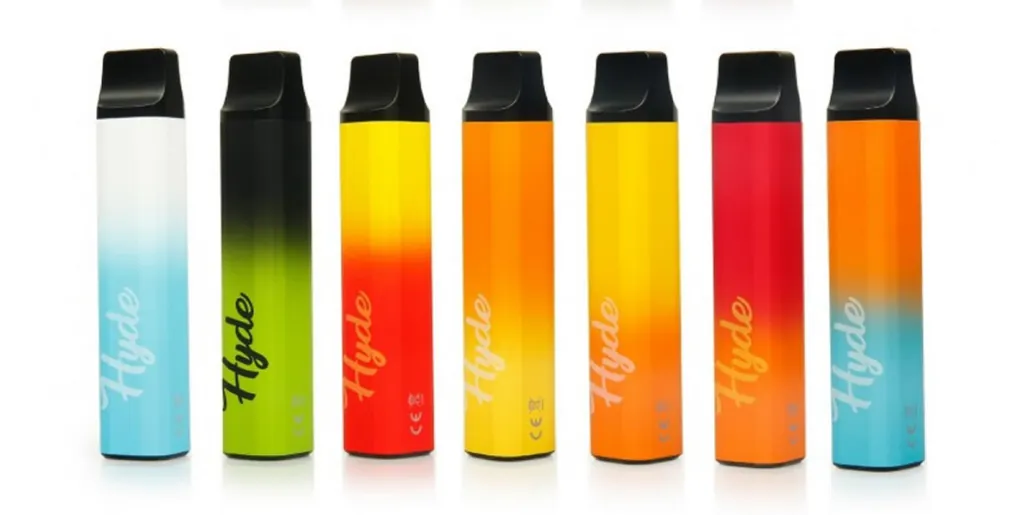
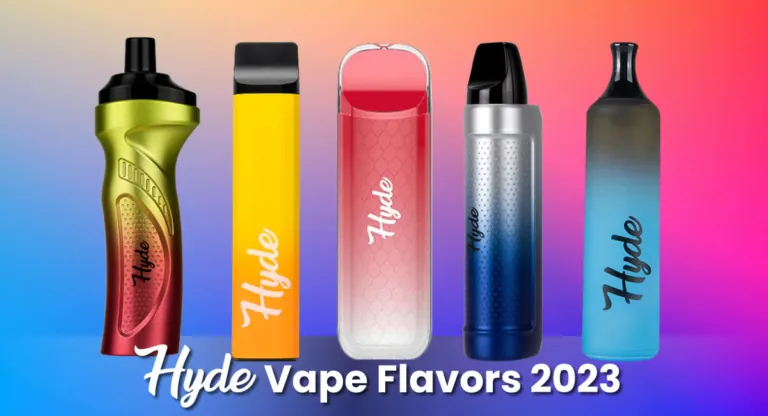
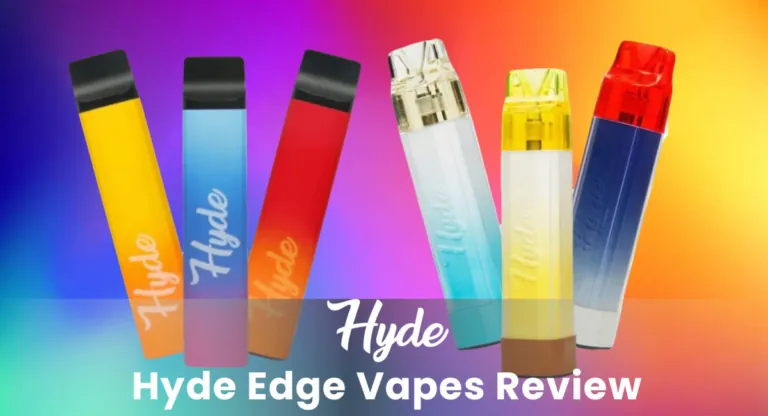
What set Hyde apart was variety of shape rather than a single flagship device. The range was divided into named lines — Edge, Rebel, Mag, Retro, IQ, N-Bar, Color and Curve — and each line carried its own shell, proportions and finish instead of resizing one standard bar. The Edge family alone spanned several sizes, from the 1500 to the 3300 and the Edge Rave 4000. For trade readers, Hyde is a useful case study in how a disposable brand can cover several shelf positions and price points at once by treating form factor as a segmentation tool.


Hyde Edge
Hyde Edge
Hyde Mag

A Different Shell for Every Line

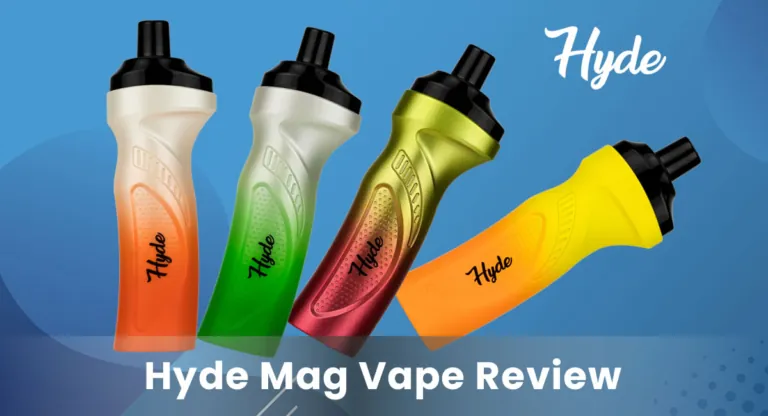
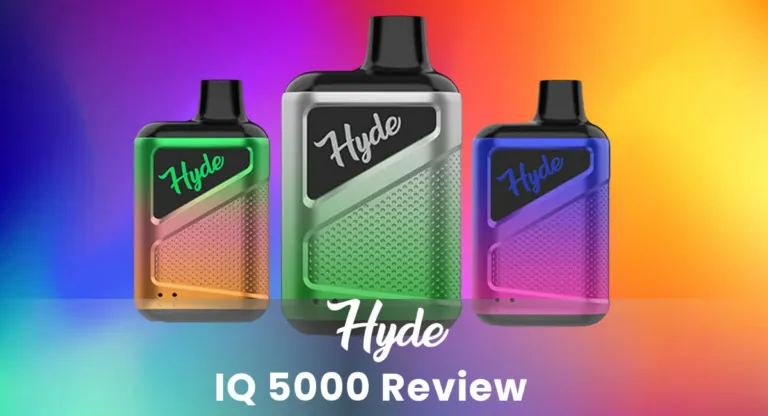
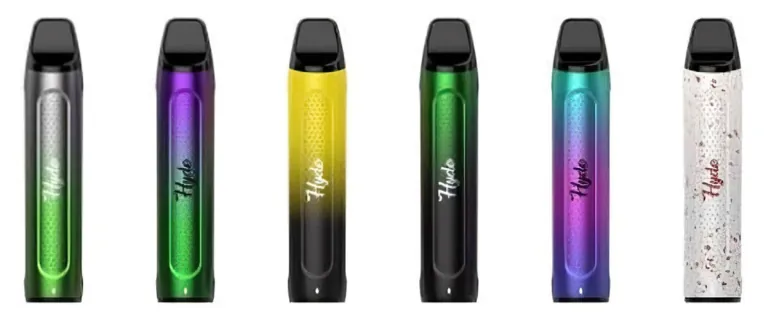
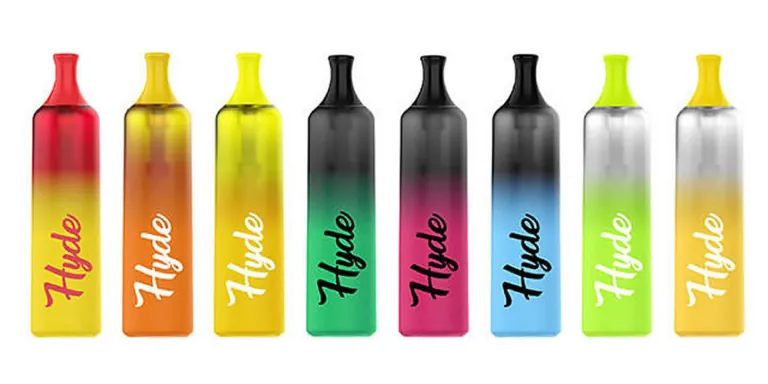
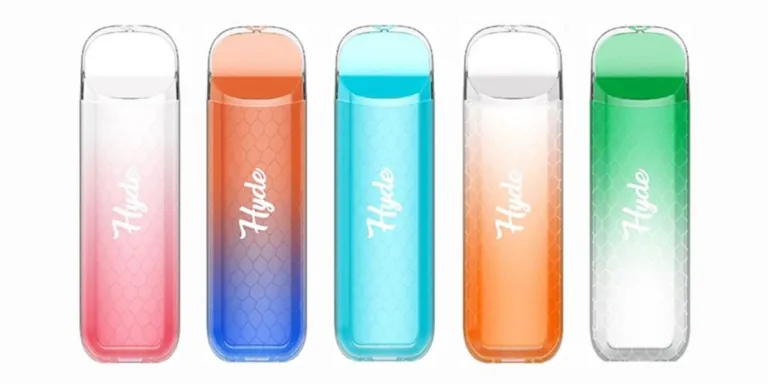
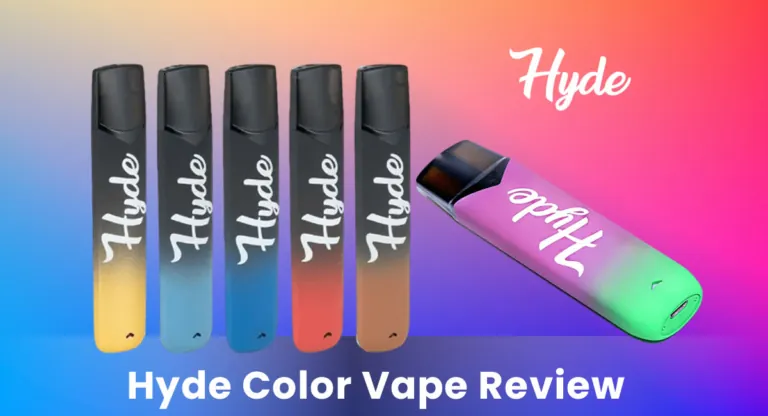
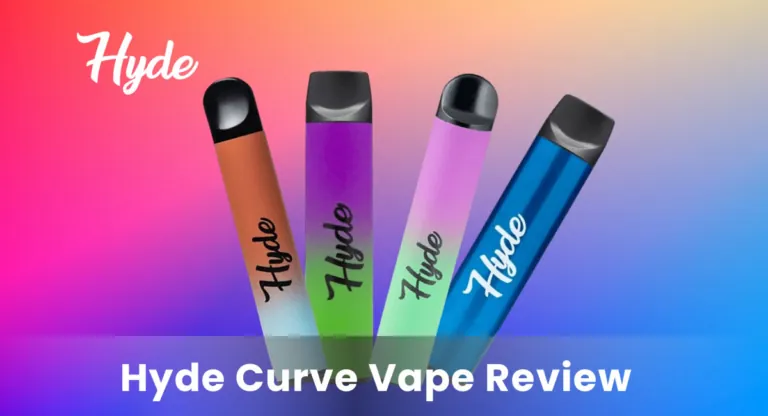
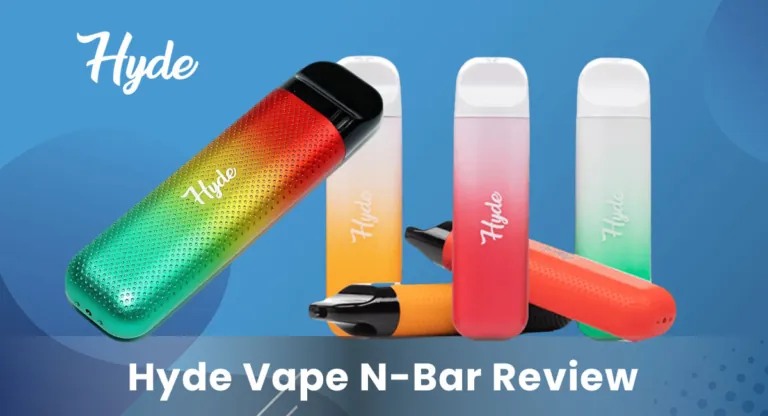
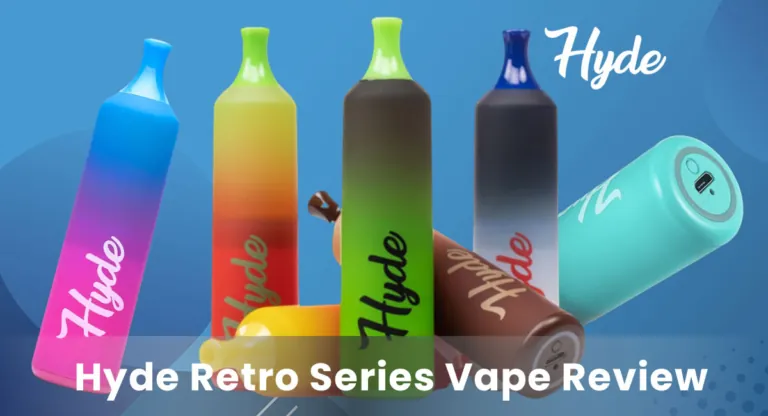
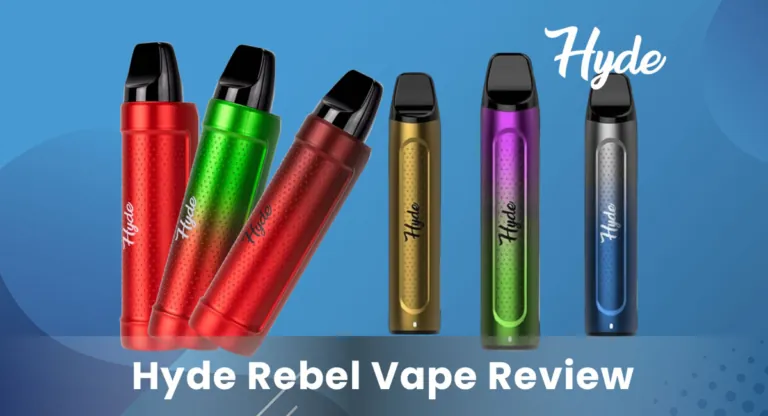
Most disposable brands build one recognizable device and stretch it across puff counts. Hyde took the opposite approach: every line was given its own industrial design. The Edge is a slim rectangular bar, the Rebel a chunky rounded body with a soft-touch finish, the Mag a hand-contoured shell with a textured grip, the Retro a compact retro-styled design, the N-Bar a narrow bar, and the IQ a wider device built around an LED display that shows battery and e-liquid levels. Color, gradient finishes and branding stayed consistent enough to keep the family recognizable on a shelf, while the hardware itself changed from line to line. The result read as several mini-ranges under one logo rather than a single product in multiple sizes.

Built for the Convenience-Channel Wave

Hyde’s growth coincided with the period when disposables moved from specialist vape shops into mainstream US convenience retail. Federal survey data from that period placed Hyde among the most commonly reported disposable brands in the United States, and its devices became familiar items in gas stations, convenience stores and tobacco outlets. The brand’s formula strategy also matched the moment: synthetic nicotine, a 5% (50mg) salt strength and long flavor lists suited high-turnover retail. In October 2022 the FDA issued a marketing denial order covering Hyde products, a reminder that the category’s fastest-moving brands were also operating ahead of federal authorization.

Hyde Products

Models and devices from Hyde

The models below are representative Hyde lines sold in the US market in the early 2020s. The range changed over time and individual variants were revised, renamed or withdrawn, so treat this as a historical overview rather than a current catalogue.

Hyde IQ 5000
Hyde IQ 5000
Hyde Edge
Hyde Edge
Hyde Mag
Hyde Mag
Hyde Rebel
Hyde Rebel
Hyde Retro
Hyde Retro
Hyde N-Bar
Hyde N-Bar

The Private-Label Lesson: Segment by Shell

For private-label buyers, Hyde’s structure is the interesting part. One brand carried several distinct shells, and each shell could hold its own flavor list, puff count and retail price point without cannibalizing the others. That is segmentation done with hardware rather than packaging alone: a slim bar for entry-level shelves, a box format for high-capacity buyers, a display model for premium placement. When Ecigator develops OEM and ODM programs, the same logic applies — a house brand does not need one hero device. A small family of differentiated shells, planned from the first tooling decision, gives distributors more shelf positions to sell into.

Hyde Vape Review

Benefits, advantages and key takeaways

Reviewed as a range, Hyde's strength was breadth. Few US disposable brands of its period offered so many distinct device shapes under one name, and the flavor program — fruit, ice, mint and cream profiles numbering in the dozens — matched that breadth. Performance followed the standard disposable pattern of the time: draw-activated, nicotine-salt based, with rechargeable batteries appearing on the larger lines so the full e-liquid capacity could be used.

Advantages of Hyde

  • A shell for every shelf position — Separate form factors let retailers stock several Hyde lines side by side without the range looking repetitive, giving the brand more facings and more price points than a single-device competitor could hold.
  • Rechargeable larger lines — Bigger Hyde devices such as the Rebel and Retro recharge lines used rechargeable batteries, so the cell could be topped up instead of dying before the e-liquid was finished, reducing wasted capacity.
  • Deep flavor program — The range carried more than thirty flavors across fruit, ice, mint and dessert profiles, and flavor names were kept consistent across lines, so a customer who found a favorite in one device could find it in another.
  • Recognizable branding — Bold gradient colors and a prominent logo made Hyde devices easy to spot in crowded convenience-store displays, and the consistent branding held the multi-shell range together as one identifiable family.

Key Takeaways on Hyde

  • Named lines included Edge, Rebel, Mag, Retro, IQ and N-Bar
  • US brand company: Magellan Technology Inc., Sacramento
  • Synthetic nicotine formulas, typically 5% (50mg) salt
  • Flavor list ran to more than 30 profiles
  • FDA marketing denial order issued in October 2022

Hyde is best understood as a segmentation exercise: one US disposable brand stretched across many shells, each aimed at a different shelf position. Its convenience-channel visibility in the early 2020s was substantial, and its regulatory setbacks were equally public. For trade readers, the range remains a reference for how far form-factor variety can carry a disposable brand.

Top Hyde Flavors Reviewed

Tasting notes from the Hyde flavor range

The Hyde flavor list ran to more than thirty profiles, and the same core flavors appeared across several lines. The notes below cover the profiles our reviewers rated highest in Ecigator's own Hyde flavor testing, spanning the fruit, ice, mint and cream families the brand was known for.

Strawberry Kiwi

Sweet strawberry leads on the inhale before a tangy kiwi note cuts through on the exhale and keeps the blend from turning one-dimensional. It is one of the fruit profiles that defined the range: bright and sweet up front, with enough acidity at the finish to stay interesting.

Frozen Banana

A creamy, smoothie-style banana with a cold finish. The banana reads ripe and soft rather than candy-like, and the icy exhale arrives late, more like chilled fruit than a menthol blast. Served on the IQ 5000 in our testing, it suited vapers who wanted a dessert-leaning profile without heavy sweetness.

Raspberry Watermelon

Two summer fruits in one profile: juicy watermelon up front, with raspberry adding a sharper, slightly tart edge underneath. The balance held well in our testing, with neither fruit washing the other out, and the finish stayed clean and sweet rather than syrupy. A representative example of Hyde's fruit-blend approach.

Spearmint

A straight mint profile modeled on chewing gum: crisp spearmint from the first draw, with an icy lift and a clean, lingering coolness on the exhale. There is no fruit underneath to soften it, which made it the sharpest palate-cleansing option in the Hyde mint family during our testing.

Banana Ice

Banana with a menthol frame. The inhale is sweet and creamy, closer to banana candy than the Frozen Banana profile, then a frosty chill builds on the exhale and resets the sweetness. The contrast between the warm fruit opening and the cold finish is the whole point of this blend.

Strawberries & Cream

The dessert entry in the range: ripe strawberry on the inhale, then a smooth vanilla-cream body that rounds the fruit out on the exhale. It vapes like a strawberry milkshake in structure — fruit first, cream second — and was one of the richest profiles in our Hyde testing.

Pineapple Banana Cantaloupe

A three-fruit medley that should not work as well as it does. Tart pineapple opens, then banana and sweet cantaloupe soften the middle and carry the exhale. Each fruit stays identifiable rather than blurring into generic tropical sweetness, which made it one of the distinctive blends in the Mag line.

Mango Peach Apricot

Stone-fruit layering: sweet mango dominates the inhale, juicy peach fills the middle, and a brighter apricot note lifts the exhale so the blend does not sit too heavy. All three fruits lean ripe rather than candied, giving it a softer, more natural register than most tropical disposables of its period.

Ecigator OEM / ODM Manufacturing

Looking to Start Your Own Vape Business Like Hyde?

Build your own brand with Ecigator — your design, your logo, your flavors, on proven hardware.

Explore OEM ServiceView Ecigator Products

Hyde Vape FAQ

Common questions about Hyde
Who makes Hyde vapes?

The US company behind the Hyde brand is Magellan Technology Inc., based in Sacramento, California, which created the brand's US business in 2021. Hyde devices were sold in North America and the United Kingdom. The factories that physically manufactured the devices were never clearly documented in public sources, so supply-chain details beyond the brand owner should be treated as unverified.

Does Ecigator sell Hyde products?

No. Ecigator is not affiliated with Hyde or Magellan Technology and does not sell, distribute or stock Hyde devices. This page is published as a market reference for trade readers studying the US disposable category. Ecigator manufactures its own disposable brands, including Stag Bar, and produces private-label devices for other companies through its OEM and ODM services.

Can I create my own disposable brand like Hyde?

Yes. Ecigator's OEM and ODM programs cover the route Hyde's structure illustrates: choose or develop a shell, define puff count, battery and e-liquid capacity, set nicotine strength and flavors, then apply your branding and packaging. Our team supports the process from device selection and flavor matching through to production-ready, market-specific configurations.

What nicotine strength do Hyde disposables use?

Hyde devices were typically sold at 5% (50mg) nicotine salt strength, the standard for US-market disposables of their period. The brand's formulas used synthetic, tobacco-free nicotine rather than tobacco-derived nicotine. Smaller early devices carried around 1.6 mL of e-liquid at that strength, while the larger recharge lines held substantially more.

Are Hyde vapes still being made?

Hyde's position changed after October 2022, when the FDA issued a marketing denial order for its products in the United States, and the brand's UK company was dissolved in December 2024. Trade coverage has reported no new Hyde product launches since 2022, and the range is best treated as a legacy line rather than an actively developed one.

What is the difference between Hyde Edge, Rebel and Mag?

The names mark different shells, not just different sizes. The Edge is the slim rectangular bar line, sold in 1500, 3300 and Rave 4000 versions. The Rebel is a rounded, ergonomic recharge line at around 4,500 puffs. The Mag is a hand-contoured shell shaped to fit the grip. Each carried its own flavor list and price point within the same brand.

Read More Hyde Vape Reviews

From the Ecigator blog

Note: Hyde is a trademark of its respective owner. Ecigator is not affiliated with Hyde and does not sell Hyde products; this page is published for market reference only. NOT FOR SALE OR USE BY UNDERAGE INDIVIDUALS | CALIFORNIA PROPOSITION 65 – Warning: This product contains nicotine, a chemical known to the state of California to cause birth defects or other reproductive harm. Products sold on www.ecigator.com are not smoking cessation products and have not been evaluated by the Food and Drug Administration, nor are they intended to treat, prevent or cure any disease or condition.