 Noticias de vapeo
¿Sabes cuánto dinero fumas cada mes?
El Ministerio de Salud de Chile (Minsal) y la Organización Panamericana de la Salud (OPS) han lanzado una calculadora interactiva del coste de fumar.…

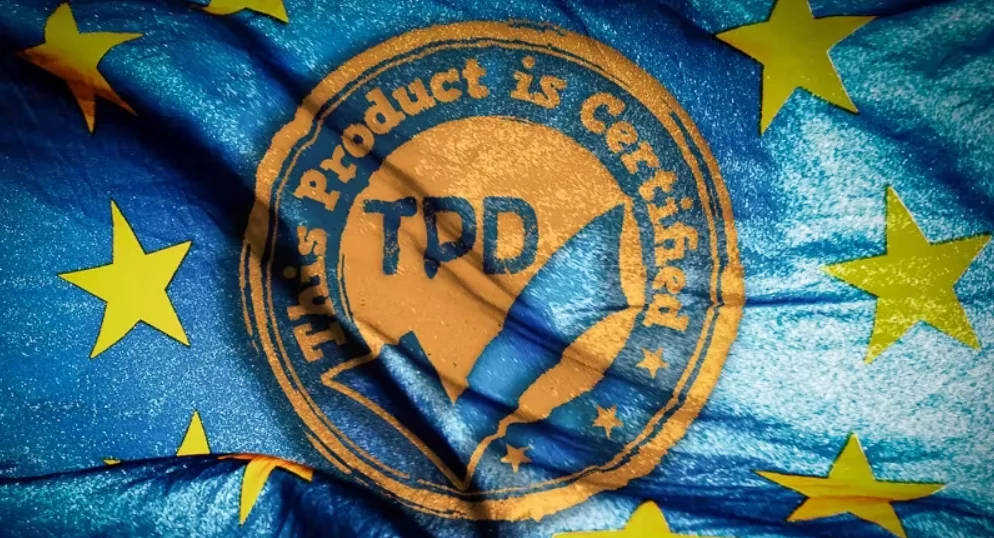
The European Union is on the cusp of a significant overhaul of its laws governing tobacco and nicotine products. The Tobacco Products Directive (TPD), a cornerstone of regulatory legislation for the industry, is set for its third major revision, commonly referred to as TPD3. This impending update is poised to bring transformative changes, impacting everything from e-cigarette flavors and nicotine pouch regulations to packaging, advertising, and environmental responsibilities. For consumers, manufacturers, and retailers across the EU and for U.S. businesses eyeing the European market, understanding the potential scope of TPD3 is crucial. This guide will explore the current status of the directive, the key areas likely to be addressed, and the anticipated timeline for these new, far-reaching regulations.
The Tobacco Products Directive has been the primary instrument for harmonizing rules on tobacco and related products across the EU’s member states. The initial directive (TPD1) was introduced in 2001, with a significant update (TPD2) released in 2014 and fully implemented in subsequent years. TPD2 was a landmark piece of legislation that aimed to curb smoking rates, particularly among young people, and reduce the public health risks associated with tobacco. It introduced now-familiar mandates such as large pictorial health warnings on cigarette packs, a ban on characterising flavors like menthol in cigarettes, and, for the first time, a set of EU-wide rules for e-cigarettes. These included limits on nicotine concentration (20mg/ml), e-liquid bottle sizes (10ml), and tank capacities (2ml), as well as requirements for child-resistant packaging and a product notification system.
However, since TPD2 was implemented, the nicotine market has evolved at a breathtaking pace. The landscape is now populated with a diverse array of «novel» products that were not widely available or specifically addressed in the 2014 directive. These include modern oral nicotine pouches, a rapidly diversifying e-cigarette segment (including the surge of disposable vapes), and a growing market for heat-not-burn (HNB) devices. This rapid innovation has created perceived regulatory gaps and inconsistencies that EU health authorities are now keen to address with TPD3.
As of late 2025, TPD3 remains in the pre-drafting, consultative phase. The European Commission (EC) has been conducting a comprehensive impact assessment to evaluate the effectiveness of the existing regulations under TPD2. This process involves gathering data, reviewing scientific evidence, and, crucially, engaging in consultations with a wide range of stakeholders, including public health organizations, consumer groups, scientific bodies, and industry representatives. The goal is to identify both the achievements of TPD2 and the areas that require significant refinement or expansion.
The upcoming legislative proposal is expected to be a delicate balancing act, weighing stringent public health objectives against market realities and the principles of the EU single market. Policymakers are evaluating various regulatory options based on the feedback and evidence gathered. The industry is watching this process with keen interest, understanding that while overly restrictive measures could inadvertently fuel illicit trade, clear, harmonized, and evidence-based standards could enhance consumer confidence and support a responsible, regulated market for less harmful alternatives to smoking.
Based on public consultations, reports from health bodies, and the stated goals of the European Commission, several key areas are expected to be central to the TPD3 proposal:
While TPD2 introduced baseline rules for e-cigarettes, their popularity and the diversity of products have surged since. Regulations on aspects like flavors and advertising still vary widely across individual EU member states. TPD3 will likely seek to create tighter, more harmonized EU-wide rules, potentially addressing:
Oral nicotine pouches, which are tobacco-leaf-free, currently exist in a regulatory gray area under TPD2. TPD3 is almost certain to bring these products formally into its scope, introducing specific standards that could govern:
The regulatory approach taken here will be critical. A framework that recognizes these products as a potentially less harmful alternative for smokers could differ significantly from one that treats them with the same level of restriction as combustible tobacco.
The large, graphic pictorial health warnings on cigarette packs were a landmark feature of TPD2. TPD3 could expand upon these requirements in several ways:
The illicit trade in tobacco products, particularly cigarettes, remains a significant concern, depriving EU member states of substantial tax revenue (estimated at over €10 billion annually). TPD3 may seek to strengthen the existing EU-wide track-and-trace system to better monitor the movement of all tobacco and nicotine products throughout the supply chain. The challenge will be to enhance security and monitoring without imposing excessively burdensome and costly requirements on legitimate manufacturers and retailers, which could inadvertently hinder legal market operations.
With a growing global emphasis on sustainability and the circular economy, TPD3 is expected to address the environmental impact of tobacco and nicotine products for the first time in a significant way. New regulations might include:
While many companies are already implementing their own eco-friendly practices, any new EU-wide mandates would need to be practical and scalable, likely allowing for a transition period for the industry to adapt its manufacturing and waste management processes.
The legislative process in the European Union is deliberate and complex. The European Commission’s impact assessment and stakeholder consultations are expected to culminate in the release of a draft legislative proposal, likely in early to mid-2025. Once this proposal is published, it will enter a lengthy legislative process involving detailed debate, negotiation, and potential amendments by the European Parliament and the Council of the European Union.
Given the complexity and contentiousness of many of the potential changes, it is unlikely that TPD3 will be finalized and formally adopted until at least 2026. Following its adoption, there will be a standard transposition period, typically two years, for the 27 EU member states to integrate the new directive into their national laws. Therefore, assuming this timeline holds, the new rules of TPD3 could begin to come into full effect across the EU around 2028.
The impending TPD3 represents both a significant challenge and a defining moment for the tobacco and nicotine industries within the European Union. The directive’s aim to modernize regulations to reflect the current, diverse product landscape will undoubtedly lead to a stricter and more harmonized regulatory environment. Companies can anticipate new rules impacting product safety, marketing freedoms, and environmental responsibilities.
For U.S. businesses and other international players, this means that navigating the EU market will require even greater diligence and adaptability. While there is still uncertainty regarding the final specifics of TPD3, the direction of travel is clear. The coming years will be pivotal as the industry adapts to the EU’s ever-evolving regulatory framework, which will continue to shape the future of nicotine consumption for millions of people.
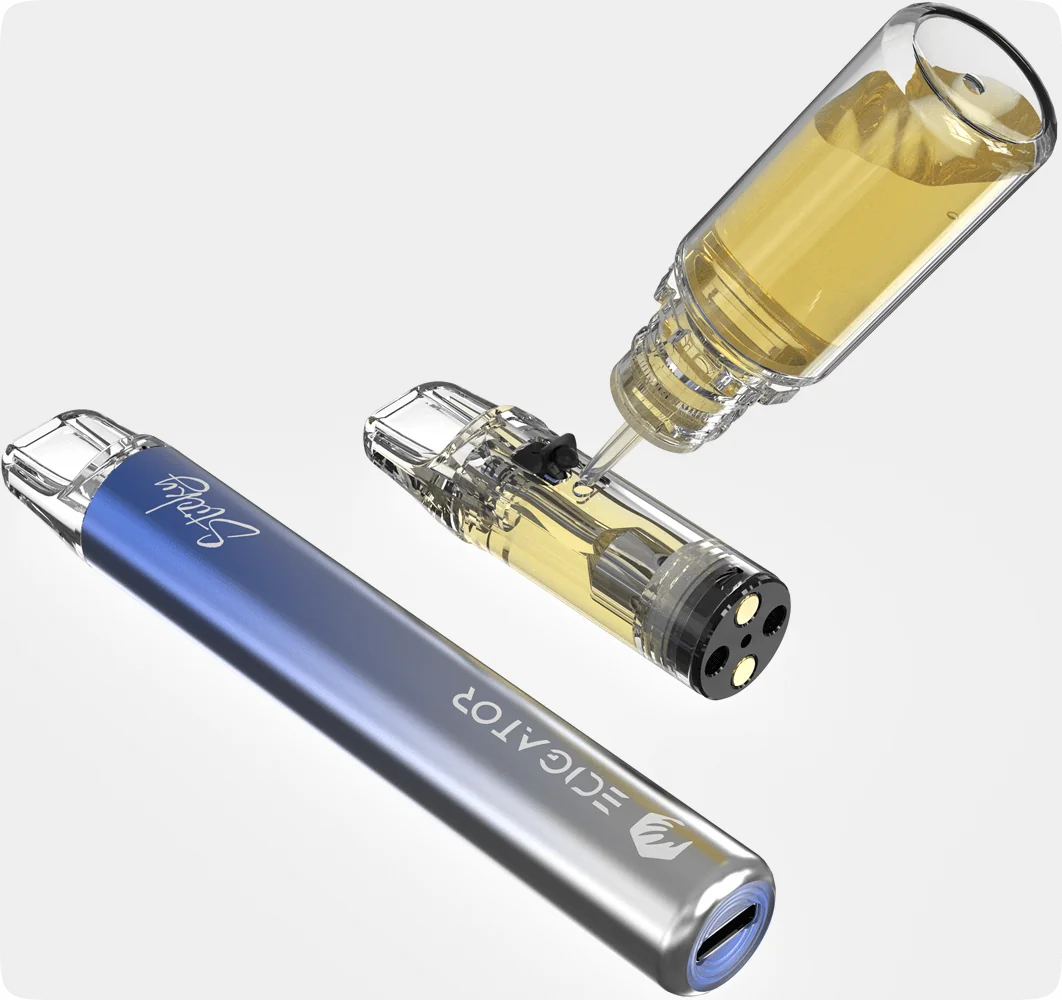
The Ecigator Sticky Refillable Open Pod Kit is a new type of vape device designed for beginners. It features a refillable pod and a rechargeable battery.
This means you don’t need to throw away a disposable prefilled pod — simply refill it instead. Each pod supports approximately 7–8 refills, and you can switch e-liquids to enjoy different flavors.

With over a decade of experience in the e-cigarette industry, Matthew Ma is a seasoned expert in both the manufacturing and usage aspects of vaping products. His extensive background has provided him with a deep understanding of the intricacies and evolving dynamics of e-cigarettes.
Ver todos los artículos de Matthew Ma →Noticias de vapeo
El Ministerio de Salud de Chile (Minsal) y la Organización Panamericana de la Salud (OPS) han lanzado una calculadora interactiva del coste de fumar.…
 Guías de vapeo
Vapear en oficinas, bares, centros comerciales o cualquier espacio público cerrado en Colombia conlleva estrictas consecuencias legales. Sin embargo, el coste de infringir la…
 Guías de vapeo
Con la llegada del Spring Break de 2026, quienes viajan a México se enfrentan a un panorama legal confuso en torno a los cigarrillos…
Cuéntanos tu mercado objetivo y tus requisitos: nuestro equipo te recomendará configuraciones conformes a la normativa y te enviará una cotización en 24 horas.