TPD3 Explained: EU’s New Tobacco & Vape Rules (2025 Update)
The European Union is on the cusp of a significant overhaul of its laws governing tobacco and nicotine products. The Tobacco Products Directive (TPD), a cornerstone of regulatory legislation for the industry, is set for its third major revision, commonly referred to as TPD3. This impending update is poised to bring transformative changes, impacting everything from e-cigarette flavors and nicotine pouch regulations to packaging, advertising, and environmental responsibilities. For consumers, manufacturers, and retailers across the EU and for U.S. businesses eyeing the European market, understanding the potential scope of TPD3 is crucial. This guide will explore the current status of the directive, the key areas likely to be addressed, and the anticipated timeline for these new, far-reaching regulations.
The Evolution of Tobacco Regulation in the EU: From TPD1 to TPD3
The Tobacco Products Directive has been the primary instrument for harmonizing rules on tobacco and related products across the EU’s member states. The initial directive (TPD1) was introduced in 2001, with a significant update (TPD2) released in 2014 and fully implemented in subsequent years. TPD2 was a landmark piece of legislation that aimed to curb smoking rates, particularly among young people, and reduce the public health risks associated with tobacco. It introduced now-familiar mandates such as large pictorial health warnings on cigarette packs, a ban on characterising flavors like menthol in cigarettes, and, for the first time, a set of EU-wide rules for e-cigarettes. These included limits on nicotine concentration (20mg/ml), e-liquid bottle sizes (10ml), and tank capacities (2ml), as well as requirements for child-resistant packaging and a product notification system.
However, since TPD2 was implemented, the nicotine market has evolved at a breathtaking pace. The landscape is now populated with a diverse array of “novel” products that were not widely available or specifically addressed in the 2014 directive. These include modern oral nicotine pouches, a rapidly diversifying e-cigarette segment (including the surge of disposable vapes), and a growing market for heat-not-burn (HNB) devices. This rapid innovation has created perceived regulatory gaps and inconsistencies that EU health authorities are now keen to address with TPD3.
Current Status and the Path Forward for TPD3
As of late 2025, TPD3 remains in the pre-drafting, consultative phase. The European Commission (EC) has been conducting a comprehensive impact assessment to evaluate the effectiveness of the existing regulations under TPD2. This process involves gathering data, reviewing scientific evidence, and, crucially, engaging in consultations with a wide range of stakeholders, including public health organizations, consumer groups, scientific bodies, and industry representatives. The goal is to identify both the achievements of TPD2 and the areas that require significant refinement or expansion.
The upcoming legislative proposal is expected to be a delicate balancing act, weighing stringent public health objectives against market realities and the principles of the EU single market. Policymakers are evaluating various regulatory options based on the feedback and evidence gathered. The industry is watching this process with keen interest, understanding that while overly restrictive measures could inadvertently fuel illicit trade, clear, harmonized, and evidence-based standards could enhance consumer confidence and support a responsible, regulated market for less harmful alternatives to smoking.
Key Areas TPD3 is Expected to Address
Based on public consultations, reports from health bodies, and the stated goals of the European Commission, several key areas are expected to be central to the TPD3 proposal:
1. E-Cigarettes and Vaping Products: Tighter, More Harmonized Rules
While TPD2 introduced baseline rules for e-cigarettes, their popularity and the diversity of products have surged since. Regulations on aspects like flavors and advertising still vary widely across individual EU member states. TPD3 will likely seek to create tighter, more harmonized EU-wide rules, potentially addressing:
- Flavor Restrictions: This is one of the most contentious issues. Public health groups are pushing for a comprehensive ban on all non-tobacco flavors, arguing they attract young people. The industry and harm reduction advocates counter that flavors are crucial for encouraging adult smokers to switch to and stick with a less harmful alternative. TPD3 could propose anything from a full flavor ban to restrictions on certain flavor descriptors or categories.
- Nicotine Concentrations and Delivery: While the 20mg/ml limit is likely to remain, there could be new rules regarding the type of nicotine (e.g., nicotine salts vs. freebase) or the speed of nicotine delivery to make products less addictive.
- Advertising and Marketing: TPD3 may introduce stricter, more uniform limitations on the advertising and promotion of vaping products, particularly on digital and social media platforms, to further reduce their visibility to minors.
2. Nicotine Pouches and Other Novel Oral Products
Oral nicotine pouches, which are tobacco-leaf-free, currently exist in a regulatory gray area under TPD2. TPD3 is almost certain to bring these products formally into its scope, introducing specific standards that could govern:
- Nicotine Content Limits: Establishing a maximum nicotine content per pouch.
- Ingredient Regulations: Banning certain ingredients or requiring full disclosure.
- Packaging and Labeling: Mandating specific health warnings, child-resistant packaging, and potentially standardized or plain packaging.
- Age Restrictions and Sales Channels: Harmonizing age verification and sales rules across the EU.
The regulatory approach taken here will be critical. A framework that recognizes these products as a potentially less harmful alternative for smokers could differ significantly from one that treats them with the same level of restriction as combustible tobacco.
3. Health Warnings and Packaging: Expanding on TPD2
The large, graphic pictorial health warnings on cigarette packs were a landmark feature of TPD2. TPD3 could expand upon these requirements in several ways:
- Plain Packaging: There is a strong push from public health advocates for TPD3 to mandate plain (standardized) packaging for all combustible tobacco products across the entire EU, eliminating all branding, logos, and promotional imagery.
- Expanded Warnings for Novel Products: The directive could introduce new, standardized pictorial or text warnings for e-cigarettes, heated tobacco products, and nicotine pouches, potentially stifling brand identity and consumer information on these alternative products.
4. Illicit Trade Prevention: Strengthening Track and Trace
The illicit trade in tobacco products, particularly cigarettes, remains a significant concern, depriving EU member states of substantial tax revenue (estimated at over €10 billion annually). TPD3 may seek to strengthen the existing EU-wide track-and-trace system to better monitor the movement of all tobacco and nicotine products throughout the supply chain. The challenge will be to enhance security and monitoring without imposing excessively burdensome and costly requirements on legitimate manufacturers and retailers, which could inadvertently hinder legal market operations.
5. Environmental Regulations: Addressing Product Waste
With a growing global emphasis on sustainability and the circular economy, TPD3 is expected to address the environmental impact of tobacco and nicotine products for the first time in a significant way. New regulations might include:
- Extended Producer Responsibility (EPR): Requiring producers to be financially responsible for the collection, recycling, and disposal of their product waste. This could apply to cigarette filters (which are a major source of plastic pollution) and the electronic components, batteries, and plastics from vaping products.
- Product Design Requirements: Potential new rules on the design of products to make them more easily recyclable or less harmful to the environment, which could have major implications for disposable vapes.
While many companies are already implementing their own eco-friendly practices, any new EU-wide mandates would need to be practical and scalable, likely allowing for a transition period for the industry to adapt its manufacturing and waste management processes.
Anticipated Timeline and Next Steps for TPD3
The legislative process in the European Union is deliberate and complex. The European Commission’s impact assessment and stakeholder consultations are expected to culminate in the release of a draft legislative proposal, likely in early to mid-2025. Once this proposal is published, it will enter a lengthy legislative process involving detailed debate, negotiation, and potential amendments by the European Parliament and the Council of the European Union.
Given the complexity and contentiousness of many of the potential changes, it is unlikely that TPD3 will be finalized and formally adopted until at least 2026. Following its adoption, there will be a standard transposition period, typically two years, for the 27 EU member states to integrate the new directive into their national laws. Therefore, assuming this timeline holds, the new rules of TPD3 could begin to come into full effect across the EU around 2028.
Conclusion: Preparing for a Stricter Regulatory Future
The impending TPD3 represents both a significant challenge and a defining moment for the tobacco and nicotine industries within the European Union. The directive’s aim to modernize regulations to reflect the current, diverse product landscape will undoubtedly lead to a stricter and more harmonized regulatory environment. Companies can anticipate new rules impacting product safety, marketing freedoms, and environmental responsibilities.
For U.S. businesses and other international players, this means that navigating the EU market will require even greater diligence and adaptability. While there is still uncertainty regarding the final specifics of TPD3, the direction of travel is clear. The coming years will be pivotal as the industry adapts to the EU’s ever-evolving regulatory framework, which will continue to shape the future of nicotine consumption for millions of people.
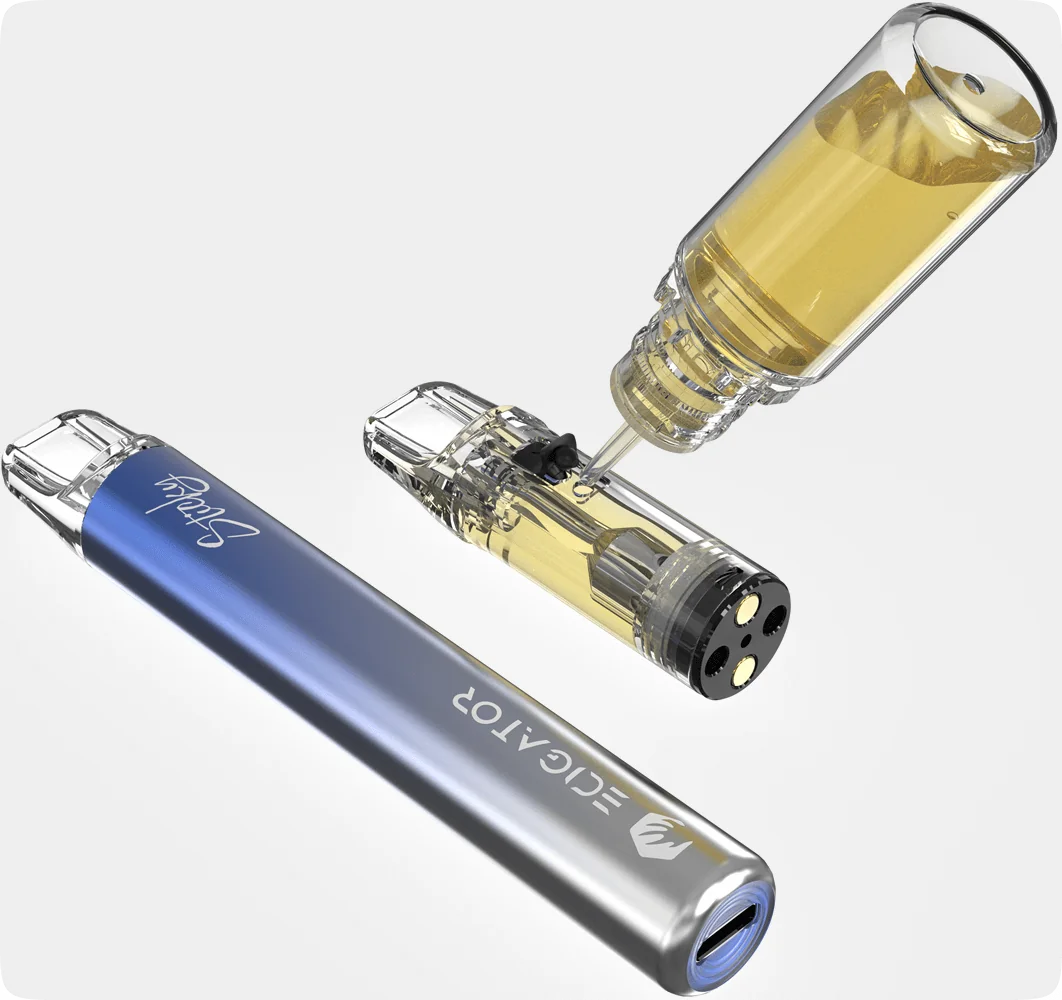
Ecigator Open Pod Kit for Starters
The Ecigator Sticky Refillable Open Pod Kit is a new type of vape device designed for beginners. It features a refillable pod and a rechargeable battery.
This means you don’t need to throw away a disposable prefilled pod — simply refill it instead. Each pod supports approximately 7–8 refills, and you can switch e-liquids to enjoy different flavors.

- Guyana Bans Recreational Vaping Products - October 19, 2026
- PHILTHRA Urges Risk-Based Vape Taxes as Research Shows 90% Toxin Drop - October 19, 2026
- Eight EU Nations Demand Total Vape Flavor Ban and Market Freeze in TPD Overhaul - October 19, 2026