 Vaping News
Spain Implements Flavor Ban for Electronic Cigarettes
Spanish health authorities have prohibited the use of non-tobacco flavors in electronic cigarettes and vaping devices. This measure aims to reduce the appeal of…

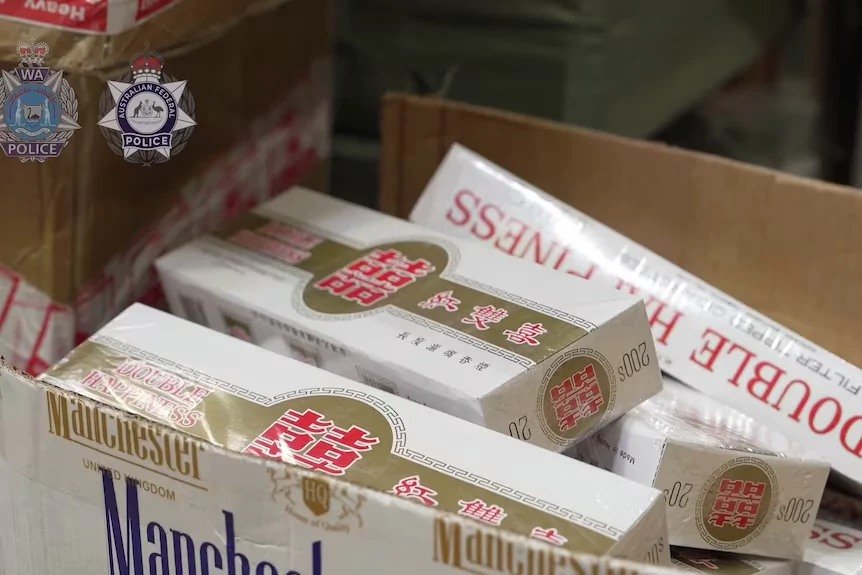
Australia’s aggressive tobacco excise hikes have triggered a collapse in legal tax revenue and an explosion of organized crime in the illicit tobacco and vape sectors. Regional leaders and economic data show that excessive taxation creates a black market for cheaper, unregulated goods, whereas New Zealand’s regulated market successfully minimizes harm while outcompeting illegal sellers.
The Australian government faces growing criticism as its tobacco excise strategy drives consumers toward a criminal black market. Tasmanian Premier Jeremy Rockliff and New South Wales Premier Chris Minns have publicly linked the price surge of legal products to the rapid expansion of organized crime networks supplying cheaper illicit goods.
Dairy owners and industry representatives are now calling for a moratorium on further excise hikes. They argue that additional tax increases on January 1 will only provide further marketing leverage for criminal gangs, especially while retail and online enforcement remains insufficient.
Recent data from the Australian Bureau of Statistics confirms the breakdown of existing control policies. Despite the intent to curb nicotine use, Australians consumed 40% more nicotine in 2025 than in 2017. The shift suggests that rather than quitting, consumers have pivoted to unregulated sources.
The fiscal impact is equally stark. The 2026 Pre-Election Economic and Fiscal Update shows excise revenue fell A$350 million below 2023 levels, even though daily smoking rates remained static. Critics, including Michael Stutchbury of the Australian Financial Review, argue that the public health establishment has prioritized the elimination of risk over practical harm reduction, pushing nearly one million Australians into a violent black market.
New Zealand provides a functional alternative to the Australian model. By maintaining a regulated legal market for vaping, New Zealand effectively outcompetes illegal sellers. This approach helped the nation achieve a smoke-free generation milestone in 2023, with daily smoking among 15-24 year-olds sitting at approximately 3%.
Despite the success of regulated vaping as a cessation tool, political discourse often ignores these outcomes. Banning legal alternatives frequently creates unintended consequences, potentially making combustible smoking appear appealing again to certain demographics.
The Australian Senate Inquiry into the illegal tobacco crisis suggests immediate policy shifts that New Zealand could also utilize to strengthen its current framework:
Why do tobacco tax hikes fuel organized crime?
When legal tobacco prices exceed the threshold of affordability, consumers seek cheaper alternatives. Criminal syndicates exploit this price gap by supplying unregulated products, effectively capturing the market share and tax revenue that would otherwise benefit the public purse.
How does New Zealand’s vaping market differ from Australia’s?
New Zealand retains a regulated legal framework that allows smokers to transition to vaping as a less harmful alternative. This market saturation of legal products makes it difficult for illegal vapes to gain significant traction, whereas Australia’s restrictive policies created a vacuum filled by unregulated, illicit imports.
Disclaimer: This content is intended for informational purposes for adult smokers and vapers (18+) only. Nicotine is an addictive chemical. Product availability and regulations vary by jurisdiction under local TPD and national laws.

With over a decade of experience in the e-cigarette industry, Matthew Ma is a seasoned expert in both the manufacturing and usage aspects of vaping products. His extensive background has provided him with a deep understanding of the intricacies and evolving dynamics of e-cigarettes.
View all articles by Matthew Ma →Vaping News
Spanish health authorities have prohibited the use of non-tobacco flavors in electronic cigarettes and vaping devices. This measure aims to reduce the appeal of…
 Vaping News
The Indian Union Ministry of Health has issued a formal warning to enforce the Prohibition of Electronic Cigarettes Act (PECA), 2019. This legislation makes…
 Vaping News
Vologda Oblast deputies approved a total retail ban on electronic nicotine delivery systems, e-liquids, and device components starting March 1, 2027. The legislation also…
Tell us your target market and requirements — our team will recommend compliant configurations and send a quotation within 24 hours.