
Vape Inventory Planning Guide For Retailers

Vape inventory works best when the shelf feels fresh, easy to read, and ready for regular shoppers. A retailer needs a sensible mix of flavors, puff counts, device styles, and price points that match real demand. When stock decisions come from sales patterns, the store can keep reliable products on hand without crowding the counter.
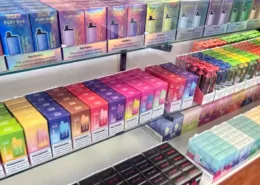
A strong stock plan should feel practical, not stiff or complicated. Wholesale disposable vapes can support steady retail demand when each order lines up with customer habits, shelf space, and delivery timing. The goal is to keep popular choices available while giving new products enough room to prove themselves.
Read Sales Patterns First
Sales reports give retailers a clear view of what customers actually buy each week. Flavor demand, puff count preference, and price range all help shape the next vape order. This makes each purchase more grounded and keeps the stockroom tied to real shelf movement.
A store also benefits from tracking products that move at a slower pace. These items may need better placement, smaller reorder quantities, or a simple staff reminder at the counter. Clear records make the buying process smoother because each product has a visible reason to stay on the list.
Build A Balanced Product Mix
A balanced vape shelf gives shoppers a choice without turning the display into a cluttered wall. Core flavors, familiar device sizes, and steady price points should take the main space because they bring repeat sales. New flavors and limited releases can sit in smaller test slots where staff can watch customer interest.
Retailers can sort disposable vape stock into clear groups that match how people shop. Fruit blends, mint options, high puff devices, and budget picks each deserve their own place. This setup keeps the shelf easy to scan and helps staff guide customers without slowing the sale.
Plan Reorders Around Shelf Speed
Reorder timing should match the speed of each product, not a fixed habit that treats every item the same. Fast movers need a clear trigger point, such as a minimum case count or a weekly reorder mark. Medium sellers can follow a lighter check so the shelf stays filled without excess stock.
Supplier schedules also shape a smart vape inventory plan. Order days, delivery windows, and stockroom capacity should work together so popular products arrive before shelves run thin. This simple system helps retailers keep disposable devices ready for steady traffic throughout the week.
Protect Cash Flow With Clear Limits
Inventory can support cash flow when every case has a clear purpose. Core products may need deeper stock, while trial products work better in smaller quantities. A clear limit for each category helps the retailer buy with purpose and keep funds available for items that sell faster.
The stock budget should separate everyday sellers, new tests, and backup units. This gives each part of the order a job and keeps bulk vape purchases from becoming cluttered. It also makes review easier because the retailer can see which group needs more attention next time.
Vape inventory planning works when sales data, shelf layout, and ordering habits support each other. Wholesale disposable vapes fit best as a measured category with clear limits, steady review, and simple shelf rules. Retailers can keep the right products ready when they track movement, test new items carefully, and plan reorders around demand. A practical system gives staff cleaner shelves, smoother orders, and a better shopping experience for regular customers.

- Recycling Point, Bin, or Kitchen Drawer? What UK Vapers Actually Do With a Dead Device - September 30, 2026
- How Cannabis Operators Should Qualify a Vape Hardware Supplier - September 30, 2026
- From Distillate to Finished Pod: The Quality-Control Steps Behind a Premium CBD Vape - September 30, 2026
Related posts:
 How to Vape on the Cheap
 Israel Vaping Laws – Is Vaping Illegal in Israel?
 Australia vs New Zealand: How Vaping Policies Impact Smoking Rate Declines
 Norway to Ban Menthol and Click Cigarettes, Flavored E-Cigarettes in 2024
 Vaping While Driving Could Lead to £1000 Fine in UK
 Major Tobacco Companies Lead Vape Imports in Peru Amid Low Regulation

