
How Many Vape Shops Are in New Zealand? Authorities Admit Data Gap
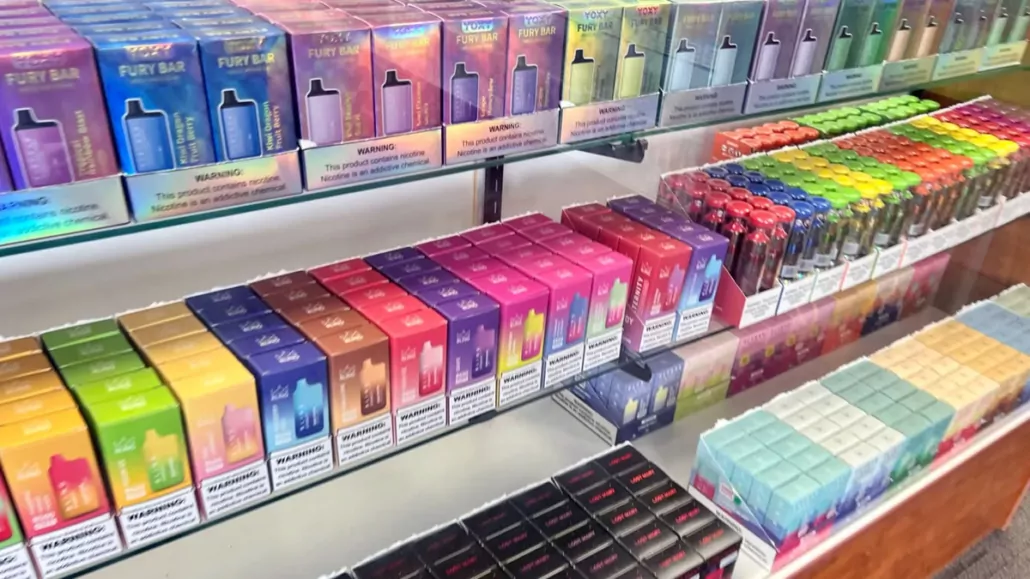
The Ministry of Health has acknowledged a significant discrepancy in New Zealand’s vape retailer database, revealing that authorities cannot provide a precise, real-time count of active vendors nationwide. This regulatory blind spot persists despite years of political promises to cap store numbers and growing public health concerns over the ubiquity of nicotine products near schools.
During the 2023 election campaign, both major political parties pledged to drastically restrict the market, promising to cap the number of vape stores at just 600. Three years later, thousands of shops continue to operate across the country, and determining the exact number remains an elusive task for regulators.
The Retail Split: Specialist vs. General Retailers
Under New Zealand law, vape retailers are divided into two distinct legal categories: Specialist Vape Retailers (SVRs) and General Vape Retailers (such as dairies, supermarkets, and service stations). SVRs are permitted to sell a full range of flavors but must obtain explicit approval from the Ministry of Health for every physical storefront they operate. Currently, there are 1,337 approved Specialist Vaping Premises (AVPs) in New Zealand—meaning the country now has significantly more specialty vape shops than dedicated liquor stores.
Tracking general retailers is far more complicated. These businesses are restricted to selling basic flavors and must file a Regulated Product Seller (RPS) notification. According to recent Ministry of Health data, there are 1,694 registered general retail businesses operating more than 2,100 individual stores.
Combining these figures yields approximately 3,400 active retail locations. However, this is barely half of the 7,000 individual stores the Ministry of Health estimated were operating just two years ago.
| Retailer Category | Current Active Locations | Flavor Restrictions | Regulatory Requirement |
|---|---|---|---|
| Specialist Vape Retailers (SVR) | 1,337 | Full variety of flavors allowed | Approved Vaping Premise (AVP) license per store |
| General Vape Retailers | 2,100+ | Limited flavors only (no complex/sweet flavors) | Regulated Product Seller (RPS) notification |
Responding to queries regarding this massive statistical drop, a Ministry of Health spokesperson stated that earlier estimates of 7,000+ stores were “indicative rather than precise point-in-time counts,” reflecting historical market intelligence. The ministry maintains that the discrepancy does not automatically point to widespread illegal operations, though they acknowledge a “gap” and are working with Health NZ to verify registrations during routine field inspections.
Vaping Overtakes Smoking Amid Regulatory Shifts
The debate over retailer numbers coincides with a massive demographic shift in nicotine consumption. According to the latest New Zealand Health Survey, daily vaping has climbed to 11.7% of the adult population (approximately 509,000 people), up from a mere fraction of a percent a decade ago. Conversely, daily smoking has plummeted to historic lows of 6.8%.
While adult consumption rises, youth vaping has shown signs of decline. Daily vaping among Year 10 students dropped from 8.7% in 2024 to 7.1% in 2025. Nevertheless, underage access remains a persistent issue. During the Ministry of Health’s Controlled Purchase Operations last year, 10% of audited stores illegally sold vaping products to minors under the age of 18.
The Policy Debate: Access vs. Restriction
The ubiquity of retail outlets has polarized public health advocates and industry representatives. Anti-vaping advocates argue that the current density of stores normalizes nicotine addiction among youth. Research indicates that nearly 30% of New Zealand’s vape stores are located within 400 meters of a school, a reality that advocates say undermines the product’s original purpose as a smoking cessation tool.
“If these are supposed to be helping smokers quit, why on Earth have we got so many stores?” asks Marnie Wilton, co-founder of Vape-Free Kids NZ. Wilton argues that reducing the sheer number of outlets is the only way to make enforcement manageable for government inspectors.
Conversely, the Vaping Industry Association of New Zealand (VIANZ) strongly opposes arbitrary caps on store numbers. VIANZ Chair Jonathan Devery warns that restricting legal retail access risks pushing adult smokers back to combustible tobacco or driving demand into unregulated black markets, pointing to Australia’s highly restricted pharmacy-only model as a failure.
Instead of capping store numbers, VIANZ advocates for closing legal loopholes, such as the “store-within-a-store” model, where dairies partition off a small section of their shop to qualify as an SVR. Closing this loophole would ensure that only dedicated specialty stores with strict age-verification protocols can sell high-flavor products.

- Philippines Mandates Safety Certification for Nicotine Pouches - October 12, 2026
- Poland’s Vape Tax Dispute Exposes Inflated Claims and Foreign Loopholes - October 12, 2026
- Turkey to Require National ID Numbers for Tobacco and Cigarette Sales - October 12, 2026
Related posts:
 Study Reveals Vaping Around Children Exposes Them to Significantly Less Nicotine Than Secondhand Smoking
 New Zealand’s Approach to Vaping Regulations: A Comparison with Australia’s Ban
 Laos to Tighten E-Cigarette Regulations, Classifying Them as Addictive Substances
 Singapore Prioritizes Public Health Over E-Cigarette Tax Revenue, Finance Minister Says
 Poland Proposes Drastic Excise Tax Hikes on Vapes and E-Liquids
 NC: Kinston Proposes Strict Zoning and Distance Rules for Vape Shops

