Costa Rica’s Proposed Nicotine Ban: A Win for Cartels, Blow to Public Health
Costa Rican health authorities have proposed a sweeping ban on oral nicotine products, a controversial measure that critics warn will inadvertently drive smokers back to combustible cigarettes and empower local drug cartels. This regulatory push occurs amid a broader national security crisis, threatening to make Costa Rica the first nation in the Americas to completely outlaw low-risk nicotine alternatives like pouches and gums.
Currently, about 7.8% of Costa Ricans smoke regularly, resulting in tobacco-related illnesses that claim nearly 6% of all deaths nationwide. Unlike combustible cigarettes, oral nicotine products do not burn tobacco leaves, sparing users from toxic byproducts like tar, heavy metals, and ammonia.
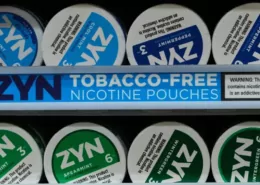
Nicotine pouches, which contain zero tobacco, serve as a vital off-ramp for those attempting to quit. This Nicotine Replacement Therapy (NRT) is so critical to public health that nicotine is recognized on the World Health Organization’s List of Essential Medicines. Under the proposed ban, however, Costa Ricans would need a rare government prescription to access these life-saving tools.
| Product Category | Tobacco Content | Combustion (Smoke) | Relative Health Risk |
|---|---|---|---|
| Combustible Cigarettes | Yes | Yes (Releases tar & heavy metals) | Extremely High (Causes 6% of Costa Rican deaths) |
| Chewing Tobacco / Snuff | Yes | No | Significantly Lower |
| Nicotine Pouches / Gums | No | No | Lowest (Classified as Essential Medicine by WHO) |
Prohibition rarely eliminates demand; instead, it shifts profits to criminal organizations. In Australia, where oral nicotine is banned and high taxes pushed cigarette prices past $40 a pack, illicit trade now accounts for half of all cigarette consumption. Australian authorities seized over 1.3 million nicotine pouches in the first half of 2024 alone – a staggering 950% increase compared to the previous two years combined.
Costa Rica’s Chamber of Commerce previously warned that strict vape flavor bans enacted last year would hand the market to organized crime. Health Minister Mary Munive dismissed these concerns, stating she cannot prioritize “calculations about illegality” over public health. However, experts argue that ignoring market realities will only make Costa Rica’s dangerous cartel networks larger, wealthier, and more violent.

- Mexico Passes Stricter Tobacco Law as Experts Warn of Cartel Trade - October 9, 2026
- FDA Tobacco Review Delays Threaten Public Health, GAO Report Reveals - October 9, 2026
- USA Northeast Vape Laws in 2026: State Taxes & Flavor Bans - October 9, 2026