
The Social Politics of Vaping: Student Culture’s New Currency
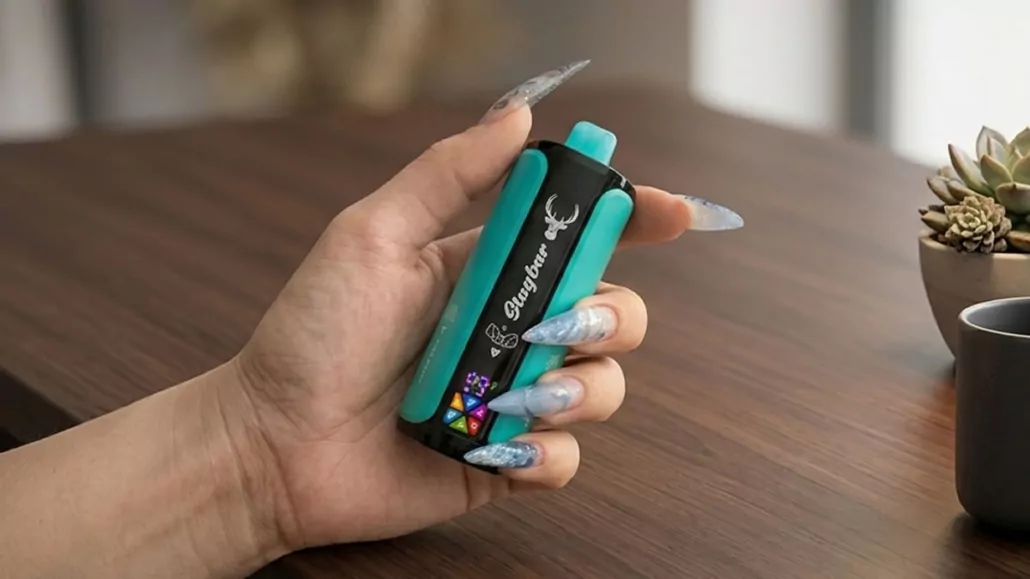
At flat parties and student gatherings, a familiar ritual plays out: figures emerge from the shadows to ask a single, hopeful question: “Can I hit your vape?” This interaction highlights how a small plastic device has cemented itself as a defining social artifact of youth culture. Far from a simple nicotine delivery tool, the vape now serves as a bridge for a generation navigating social anxiety and the awkwardness of spontaneous connection.
In student communities—such as the “Scarfie” culture of Dunedin, New Zealand—vapes perform a unique role. While users run the daily risk of health issues, empty bank accounts, and parental disapproval, the device has become an indispensable tool for building instant social connections.
The Vape as a Social Currency
Owning a vape can instantly make a person socially relevant at any crowded party. Device owners often find people they have never spoken to materializing to request a puff. Drawn to the scent of artificial fruit flavors, these individuals seek out active vapers to satisfy their cravings.
For a few crucial seconds, the person holding the vape controls the social interaction. This dynamic is the modern equivalent of being the only person with a lighter in previous generations. Those brief moments of sharing can be the starting point for securing future social invitations or making new acquaintances.
The time spent outside sharing a vape creates an environment for casual conversation that can quickly escalate into finding common ground, sharing personal stories, or exchanging social media contacts. However, this dynamic carries a risk: some individuals find themselves valued primarily as the designated vape supplier, appreciated more for their device than their personality.
To illustrate how these interactions define social boundaries, student circles generally recognize a distinct hierarchy of sharing:
| Relationship Level | The Sharing Behavior |
|---|---|
| Acquaintance | Politely asks for permission before touching the device. |
| Friend | Skips the formalities and reaches directly for the vape. |
| Best Friend | Takes the device directly from your pocket without making eye contact. |
| Situationship | Sharing the device becomes an intimate, unspoken bond. |
Intimacy and the Collapse of Hygiene Standards
Vapers appear to suffer from immediate amnesia regarding basic hygiene habits the moment a vape is passed around. What begins innocently among flatmates often expands as a night progresses. Once alcohol is introduced, the circle of users grows wider.
Before long, a single device may circulate through friends, acquaintances, and complete strangers. Intoxication frequently lowers personal standards of hygiene. While a sober student would avoid physical contact with a dirty venue floor, that same individual might happily share a vape mouthpiece with dozens of people at a party.
Even self-proclaimed germaphobes regularly abandon their principles in these settings. Many resort to the symbolic “wipe it on the shirt” ritual—a gesture that offers virtually no actual sanitation but serves as a psychological comfort before inhaling.
The Economics of “Just One Hit”
A distinct, unwritten economy governs social vaping, anchored by the illusion of the single puff. Friends who previously claimed they were quitting or buying their own devices often continue to rely on the devices of others. This creates a one-sided transaction where the owner watches their battery drain and liquid levels drop.
This dynamic mirrors the classic economic concept of the “tragedy of the commons.” The device owner eventually receives their vape back, only to find the battery dead or the coil burnt out from over-use. What starts as a simple favor quickly becomes a recurring tax on the owner’s wallet, where generosity is met with a ruined device.
Furthermore, student culture has mapped specific vape flavors to distinct social archetypes, creating a humorous taxonomy of users:
- Blue Raspberry: Typically associated with business or commerce students.
- Watermelon Ice: The standard choice for first-year university students.
- Mint: Commonly preferred by former smokers transitioning away from cigarettes.
- Tobacco Flavor: Generally avoided by the wider social circle.
The Fragile Micro-Economy of the Vape Circle
At its core, every social circle that shares a vape operates as a fragile micro-economy. This social ecosystem is divided into three distinct groups:
- The Asset Holders: The long-suffering owners who purchase the devices and bear the financial cost.
- The Leechers: The perpetual borrowers who rely entirely on the assets of others without contributing.
- The Utility Providers: The individuals who keep the system running by always carrying a spare USB-C charger or power bank.
This arrangement constantly teeters on the edge of disruption. The moment the device battery flashes red, the social circle faces a minor crisis. Sharing stops, tension rises, and users begin planning trips to the nearest convenience store to secure a replacement.
Despite the financial costs, hygiene risks, and long-term health implications, vapes remain a powerful social tool in student life. For a generation that frequently struggles with face-to-face connection, this plastic device serves as an effective excuse to bring people together, turn casual banter into friendships, and liven up cold student flats.

- Mexico Passes Stricter Tobacco Law as Experts Warn of Cartel Trade - October 9, 2026
- FDA Tobacco Review Delays Threaten Public Health, GAO Report Reveals - October 9, 2026
- USA Northeast Vape Laws in 2026: State Taxes & Flavor Bans - October 9, 2026
Related posts:
 Combustion vs Nicotine: Expert Advocates for Tobacco Harm Reduction
 The End of Disposables: Why Refillable Vapes Are the Future
 FDA Proposes New Guidelines to Allow More Flavored E-Cigarettes
 New York’s Proposed Ban on Flavored Nicotine Pouches Stalls
 UK to Make Vape Sellers Pay for E-Waste Disposal

