
E-Cigarettes Help Smokers Quit Even Without Counseling, Clinical Trial Finds
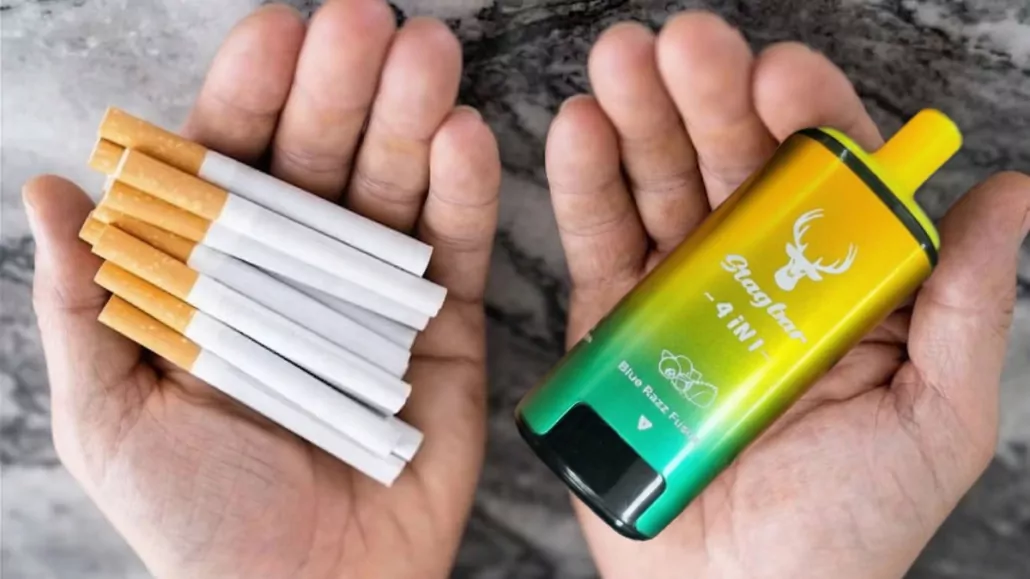
Adult smokers given e-cigarettes are 76% more likely to quit combustible tobacco than those receiving automated health advice, even without behavioral counseling. Conducted by researchers at Queen Mary University of London and published in NEJM Evidence, the randomized controlled trial confirms that basic access to vaping devices acts as a viable intervention on its own.
While previous clinical research evaluated e-cigarettes alongside regular behavioral therapy, this trial investigated whether distributing hardware alone yields measurable benefits for smokers who lack access to specialized clinics.
Evaluating Quit Rates Across Three Test Groups
The trial followed 1,170 adult smokers in the United Kingdom, randomly assigning participants to one of three intervention paths:
- Control Group: Automated National Health Service (NHS) email tips and cessation advice.
- Vape Starter Kit Group: An e-cigarette starter package without behavioral counseling.
- Combined Support Group: An e-cigarette starter package paired with five structured telephone consultations over four weeks.
Researchers verified continuous abstinence at six and twelve months using carbon monoxide breath tests to ensure reporting accuracy.
| Intervention Method | 6-Month Abstinence Rate | 12-Month Abstinence Rate |
|---|---|---|
| Automated NHS Emails (Control) | 6.4% | 5.4% |
| E-Cigarette Alone (No Counseling) | 11.3% | 9.0% |
| E-Cigarette + Telephone Support | 21.1% | 16.8% |
The trial data indicated that smokers given only vape devices achieved an 11.3% abstinence rate at six months, compared to 6.4% in the control cohort. Interestingly, more than two-thirds of successful quitters in the control group had purchased e-cigarettes independently. When researchers excluded non-protocol e-cigarette users from the control group, the baseline abstinence rate fell to 2.7%.
Telephone Consultations Deliver Long-Term Abstinence
While unassisted vaping produced measurable success, professional guidance generated substantially better results. Participants receiving both devices and phone consultations reached an abstinence rate of 21.1% at six months and 16.8% at twelve months.
The outcomes show that structured behavioral counseling remains a valuable clinical tool for treating nicotine addiction. However, the data also suggests that making e-cigarettes directly available helps individuals who cannot commit to scheduled appointments or clinical follow-ups.
Policy Implications for the UK “Swap to Stop” Scheme
These findings provide direct empirical backing for national harm-reduction initiatives, such as the UK government’s “Swap to Stop” program. This public health scheme offers adult smokers free vape starter kits while encouraging them to utilize local stop-smoking services.
Public health programs often struggle with low attendance in traditional cessation clinics. Distributing starter kits without mandatory participation requirements creates an accessible entry point for hard-to-reach demographics.
Health Considerations and Ongoing Vaping Exposure
Because vaping involves no combustion, toxicant exposure is lower than with combustible cigarettes. Nonetheless, medical authorities emphasize that e-cigarettes are not completely risk-free. Aerosols contain nicotine, flavoring agents, and trace chemicals whose long-term health consequences require continued monitoring.
The study authors emphasized that the trial evaluated smoking cessation efficacy rather than the absolute safety of vaping. Because the majority of successful quitters continued using e-cigarettes after 12 months, the intervention represents a pragmatic shift toward harm reduction rather than complete nicotine abstinence.

- Latvia Mandates €0.50 Deposit Fee on Disposable Vapes by 2027 - November 2, 2026
- Kazakhstan Vape Ban 2026: Fines, Penalties, and Rules - November 2, 2026
- E-Cigarettes Help Smokers Quit Even Without Counseling, Clinical Trial Finds - November 2, 2026
Related posts:
 Study Supports Providing Free Vapes to Help Smokers Quit
 Vaping Industry Navigates Global Trade Tariffs Impact
 Air Bar Mini Review – Pocket-Sized Powerhouse of Flavor
 Critics Warn Illinois Indoor Vaping Ban Could Backfire
 Is Vaping While Driving Illegal in North Carolina?
 Bulgaria to Ban Flavored E-Cigarettes Starting 2024
