Brazil: Can Condominiums Ban Smoking? Legal Limits, Fines, and Rules
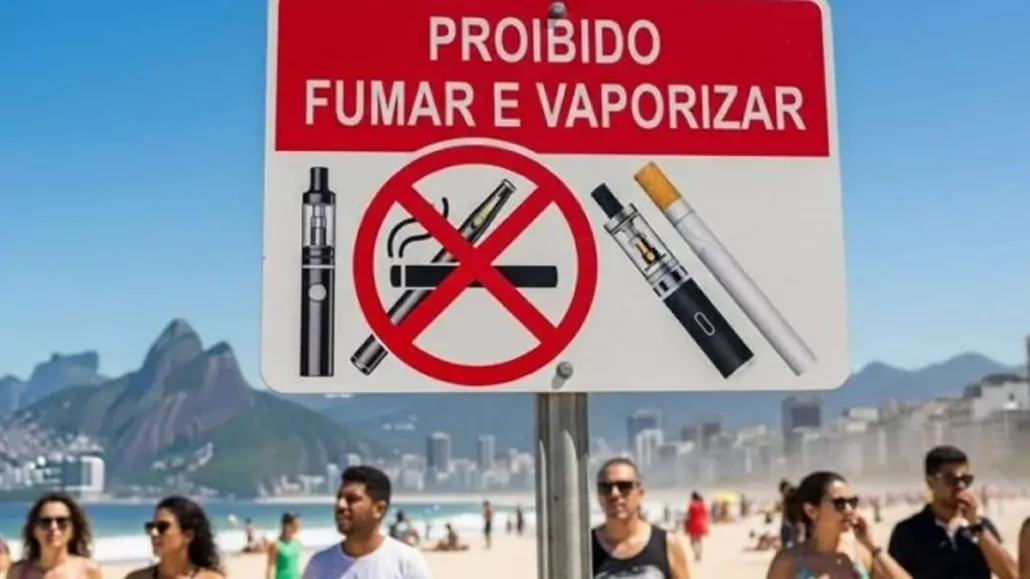
Brazilian condominium managers and residents face recurring disputes over smoke, odor, and discarded cigarette butts drifting between apartments. Under Federal Anti-Smoking Law 12.546/2011, specific legal boundaries govern where smoking is banned, what rights residents retain in private units, and when building managers can issue fines.
Where Smoking Is Prohibited: Federal and Local Laws
Federal Law 12.546/2011 prohibits cigarettes, cigarillos, cigars, pipes, and hookahs in collective enclosed or partially enclosed spaces. This ban applies to residential corridors, elevators, entrance halls, and any area partially covered by a wall, ceiling, or awning.
Municipal laws often add further restrictions. In Curitiba, Municipal Law 13.254/2009 bans smoking in all collective areas of residential buildings. Additionally, condominiums can vote in an assembly to ban smoking in open common spaces, such as pool areas or playgrounds, by updating internal bylaws with a simple majority (50% plus one).
Smoking Inside Private Units and Neighbor Disputes
Residents have the right to smoke inside their own homes. However, this freedom must not interfere with the health and peace of others in the building.
Hubert Gebara, vice-president of condominiums at Secovi-SP, noted: “Odor is like noise; it cannot disturb your neighbors.”
When smoke drifts into neighboring units from balconies or windows, direct dialogue between residents is the first recommended step. Gabriel Karpat, director of GK administration, advises: “Those who feel disturbed can write a complaint in the occurrence book or register it on the condominium portal. This gives the manager documentation if they need to intervene.”
Fines, Window Littering, and Illegal Substances
Throwing cigarette butts out of windows creates a serious fire hazard and constitutes illegal littering. Condominium internal rules penalize this behavior through formal warnings and fines, which can escalate up to 10 times the monthly condo assessment for repeat violations.
For properties that fail to enforce anti-smoking standards in collective areas, the federal statute establishes administrative fines ranging from R$ 2,000 to R$ 1.5 million.
When disputes involve illegal substances like cannabis, management handles the situation based on location. If use occurs in common areas, managers or residents can contact the police with evidence such as video recordings or witness statements. If the issue remains confined to a private unit, managers address it through internal notifications and community awareness notices.

- Turkey to Require National ID Numbers for Tobacco and Cigarette Sales - October 12, 2026
- Australia Cuts Smoking Rates but Fuels Tobacco Black Market - October 10, 2026
- Mexico Passes Stricter Tobacco Law as Experts Warn of Cartel Trade - October 9, 2026