
Can You Vape in Washington DC? 2026 Travel Rules, Flavor Bans, and Restrictions
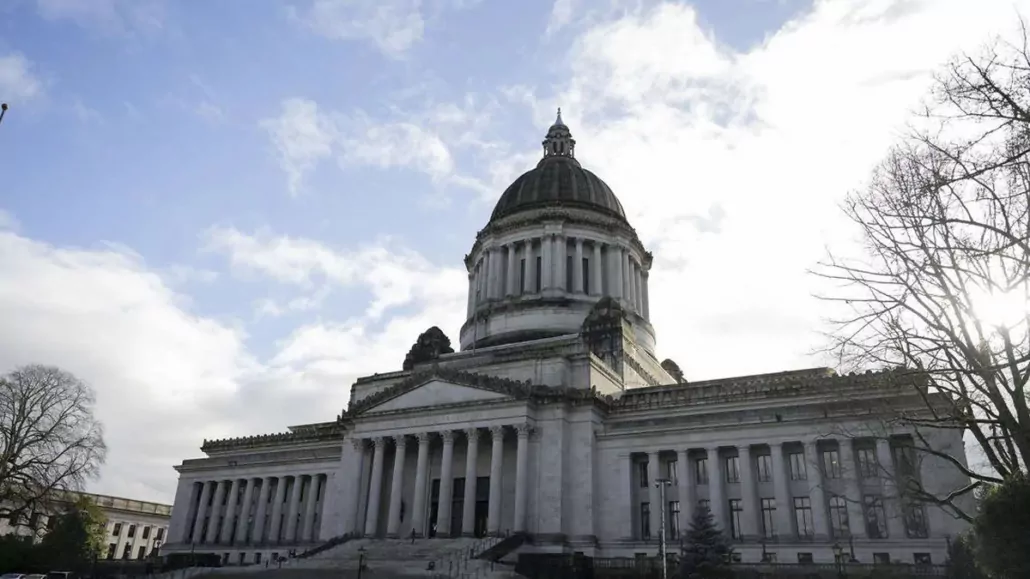
Travelers arriving in Washington DC must navigate some of the strictest municipal nicotine regulations in the United States. Under DC Law 24-25, the District bans the commercial sale, distribution, and purchase of flavored tobacco and nicotine products, including menthol formulations. Visitors who misunderstand these municipal codes often face inventory confiscation, venue ejection, or refused retail transactions.
Staying compliant requires a clear understanding of the boundary between personal possession and commercial transactions. While retail shelves in the District offer limited product selections, adult consumers can legally carry and consume personal items if they observe local zoning, public use, and transit rules.
Personal Possession vs. Retail Transactions Under District Law
The primary point of confusion for visitors centers on the distinction between retail commerce and personal possession. The Flavored Tobacco Product Prohibition Amendment Act of 2021 (DC Law 24-25), enforced through the Department of Licensing and Consumer Protection (DLCP), targets the commercial supply chain rather than the end consumer.
Codified under DC Code § 7-1721.08, the law explicitly prohibits several commercial activities:
- Selling or offering for sale any flavored tobacco or nicotine product
- Receiving, stocking, or distributing prohibited inventory for retail purposes
- Purchasing prohibited flavored products within the District’s physical boundaries
- Facilitating the sale or unauthorized retail transfer of restricted items
- Operating an electronic smoking device retail outlet within one-quarter mile of any middle or high school
The statute does not prohibit simple adult possession or personal use. An adult who purchases a flavored vape or nicotine pouch in another state and transports it into Washington DC for private consumption does not violate District law. However, bringing products into the city to sell, barter, or distribute to others immediately triggers statutory violations and civil fines.
Scope of the DC Flavor Prohibition in 2026
District regulations define a characterizing flavor as any taste or aroma—other than tobacco—imparted either prior to or during consumption. This rule covers both traditional tobacco derivatives and flavored synthetic nicotine formulations.
Prohibited Flavor Profiles
Retail stores within the District cannot legally offer, display, or sell products featuring the following profiles:
- Fruit Categories: Mango, berry, strawberry, grape, watermelon, citrus, and blended variants
- Menthol and Mint: Peppermint, spearmint, wintergreen, and cooling menthol infusions
- Confectionery and Sweets: Vanilla, cotton candy, marshmallow, gummy candy, and caramel
- Dessert Blends: Custard, pastry, cake, cream, and chocolate
- Beverage Profiles: Coffee, tea, energy drink, soda, and cocktail-inspired formulas
Products Permitted for Retail Sale
Adult-only specialty shops and licensed tobacconists operating outside restricted buffer zones may sell a narrow selection of inventory:
- Tobacco-flavored e-liquids, pre-filled pods, and disposable devices
- Unflavored nicotine solutions and devices
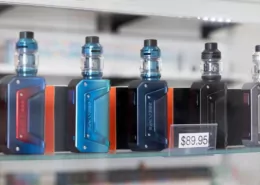
- Vaporizer hardware, open-system refillable tanks, mods, and replacement coils
- Unflavored or plain tobacco-flavored modern oral nicotine pouches
Federal Marketing Rules vs. District Law
Retail legality in the District requires meeting two separate regulatory standards. In addition to local flavor restrictions, all vaping devices must comply with federal marketing orders overseen by the Food and Drug Administration. The FDA maintains an updated index of FDA-authorized e-cigarettes. Federal law preserves state and local authority to regulate tobacco product sales. Consequently, an FDA marketing order does not preempt or invalidate Washington DC’s local flavor ban.
The Menthol Exemption Myth
Some adult consumers believe menthol vapes remain lawful due to historical exceptions applied to combustible cigarettes. In Washington DC, this assumption is false. District statute explicitly categorizes menthol, mint, and wintergreen as prohibited characterizing flavors. Retailers cannot sell menthol-flavored vaporizers, e-liquids, or nicotine pouches anywhere in the District.
School Buffer Zones and Retail Density Limits
District legislation limits the physical density of vape shops through strict geographic buffers. The law bans the sale of all electronic smoking devices—including compliant, tobacco-flavored items—within one-quarter mile (1,320 feet) of any public, charter, or private middle or high school.
The DLCP calculates this buffer by measuring the direct distance between the nearest boundary of the school grounds and the nearest point of the retail establishment’s property line. This zoning constraint eliminates tobacco retail licenses across dense commercial corridors in downtown DC, Georgetown, and residential neighborhoods.
Enforcement of this buffer zone is strict. In 2025, the District Attorney General finalized a $1.2 million settlement with national retail chain 7-Eleven following investigations into illegal vape sales conducted within school buffer perimeters.
Age Limits and Identification Rules
The minimum legal sales age for vapor products, accessories, and modern oral pouches in Washington DC is 21. This matches the federal Tobacco 21 framework enforced across all U.S. states and territories.
Under DC Code § 7-1721.02, local legislation extends beyond federal sales prohibitions by also restricting underage possession. Individuals under 21 years of age are legally prohibited from purchasing, possessing, or using tobacco or vapor products within the District, with exceptions limited strictly to lawful commercial handling during employment.
Retail ID Requirements
- Federal Mandate: Store clerks must inspect government-issued photo identification for any customer who appears under 30 years old.
- District Protocol: Clerks must demand identification whenever appearance creates doubt regarding majority.
- Private Merchant Policies: Because financial penalties are severe, many metropolitan retailers utilize electronic ID scanners for all patrons, regardless of apparent age.
- Approved Identification: Valid state driver’s licenses, official military identification, tribal identification cards, and international passports.
Nicotine Pouches: DC Regulations and Tax Impacts
Tobacco-free nicotine pouches are subject to the same sales prohibitions as vapor devices. The DLCP confirms that non-combustible modern oral pouches carrying fruit, beverage, mint, or wintergreen flavorings cannot be sold within the District, regardless of whether the nicotine is extracted from natural tobacco leaf or synthesized in a laboratory.
Because the overwhelming majority of commercial pouch inventory relies on mint and citrus flavorings, finding compliant products in local convenience shops can be difficult. Travelers who use nicotine pouches should carry an adequate personal supply or prepare to purchase unflavored versions.
District Wholesale Excise Taxes
Products sold in the District carry substantial wholesale excise taxes. The DC Office of Tax and Revenue (OTR) issued a formal notice establishing a 64% tax rate on the wholesale price of other tobacco products (OTP) for tax year 2026. This definition covers vapor products and related e-liquids.
The OTR adjusts this tax rate periodically, with scheduled tables setting a 58% rate for tax year 2027. This wholesale tax is levied upstream before retail markup, leading to visibly higher shelf prices in the District compared to neighboring states.
Where Can You Legally Vape in Washington DC?
DC’s smoke-free statutes include electronic smoking devices within the statutory definition of smoking. As a result, restrictions governing combustible tobacco apply directly to e-cigarettes.
Prohibited Public Spaces
Under DC Code § 7-741.03, vaping is prohibited inside enclosed public spaces and employment environments, including:
- Restaurants, cocktail lounges, and dining areas
- Indoor workspaces, warehouses, and office complexes
- Municipal structures, courtrooms, and administrative buildings
- Metrorail trains, transit platforms, public buses, and commercial passenger terminals
- Retail shops, department stores, and indoor shopping complexes
Permitted Locations
- Private residences, subject to homeowner rules or property lease agreements
- Private outdoor spaces and designated patios where permitted by business operators
- Exempt retail establishments, including specific tobacco-oriented bars holding appropriate grandfathered municipal variances
Federal Land and the National Mall
Federal property accounts for a substantial portion of Washington DC’s physical layout. Municipal laws do not govern federal reservations; instead, individual federal departments establish independent usage policies.
According to the National Mall and Memorial Parks Superintendent’s Compendium, vaping is prohibited in specific park areas, including:
- All interior spaces within federal park structures and visitor welcome facilities
- Within 25 feet of entrances, exits, and accessible outdoor pathways connected to federal buildings
- Memorial areas and architectural monuments, including the Lincoln, Jefferson, and World War II Memorials
- Fuel transfer points and maintenance perimeters
Visitors who choose to vape in open-air sections of federal parklands must maintain situational awareness, yield to nearby pedestrians, and follow all posted signage.
Hotel Room Policies
District statutes provide an exemption for rented hotel and motel rooms, permitting operators to allocate smoking-accessible accommodations. However, almost all hospitality chains operating in the District enforce property-wide smoke-free rules that apply to electronic cigarettes. Violating a hotel’s internal policy can lead to deep-cleaning assessments and damage fees added to the guest’s checkout bill.
Regional Comparison: DC, Virginia, and Maryland
The Washington metropolitan area contains three distinct legal jurisdictions within a small radius. Travelers moving between DC, Northern Virginia, and suburban Maryland encounter varying product standards, tax structures, and sales rules.
| Regulatory Factor | Washington DC | Northern Virginia | Suburban Maryland |
|---|---|---|---|
| Flavor Sale Rules | Total retail ban on all characterizing flavors; tobacco only | No comprehensive statewide flavor ban | Enforcement targets flavored disposables and closed pods |
| Menthol Sales | Banned entirely at retail | Permitted at retail | Exempted from state cartridge/pod enforcement rules |
| Retail Directory | School buffer restrictions (1/4 mile) | Mandatory state directory under Va. Code § 59.1-293.20 | Standard state tobacco licensing controls |
| State Tax Structure | 64% wholesale tax rate on OTP (Tax Year 2026) | $0.11 per milliliter state liquid tax | 20% retail excise on devices; 60% on liquids under 5ml |
| Minimum Legal Age | 21 (Sales and possession restricted) | 21 (Sales restricted) | 21 (Sales restricted) |
Practical Considerations Across Borders
Travelers crossing the Potomac River into Northern Virginia will find retail environments operating without universal flavor prohibitions. Under Virginia Code § 59.1-293.20, retail inventory is limited to products registered in the state’s product directory. In contrast, the Maryland Department of Health focuses enforcement on disposable products and closed-pod devices, while leaving menthol options available.
Taxation mechanisms also differ across state lines. Under Maryland statute, retail excise levies hit up to 60% for small liquid containers, whereas Virginia applies a per-milliliter volumetric rate. Because these systems apply taxes at different points in the supply chain, retail shelf prices vary noticeably across the metropolitan area.
Airport Regulations and Commercial Flight Guidelines
Air travelers traveling through the region’s three major commercial airports—Ronald Reagan Washington National (DCA), Washington Dulles International (IAD), and Baltimore/Washington International Thurgood Marshall (BWI)—must comply with strict transit rules.
| Airport Facility | Designated Vaping Area Locations | Post-Security Access Available? |
|---|---|---|
| Reagan National (DCA) | Curbside terminal exteriors; designated perimeter zones | No (Must exit security checkpoint) |
| Washington Dulles (IAD) | Exclusively outer-terminal ground curbsides | No (Indoor lounges closed June 1, 2023) |
| Baltimore/Washington (BWI) | Upper and lower roadway outer-curb center islands | No (Must exit security checkpoint) |
Indoor smoking and vaping lounges at Dulles International Airport were officially decommissioned in 2023. As confirmed by the Metropolitan Washington Airports Authority on its Dulles smoking location notices, travelers on layovers must exit through security to reach outdoor smoking posts, requiring complete TSA re-screening before boarding connecting flights.
Federal Aviation Administration (FAA) Air Travel Rules
The transportation of electronic nicotine delivery systems is governed strictly by the FAA PackSafe guidelines:
- Carry-On Baggage Exclusivity: Vaporizers, e-cigarettes, and spare lithium-ion power cells must remain inside carry-on luggage or on your person. Checked luggage storage is strictly prohibited due to thermal runaway fire hazards.
- Accidental Activation Protection: Hardware must include safeguards against accidental activation. Travelers should remove batteries, engage physical safety locks, or place hardware inside protective cases.
- In-Flight Charging Ban: Charging e-cigarettes or external batteries via aircraft seat power outlets or external battery packs is prohibited.
- Cabin Liquid Limits: Replacement e-liquids packed in carry-on bags must comply with the TSA 3-1-1 liquids rule (bottles of 3.4 ounces / 100ml or smaller, packed inside a clear, quart-sized plastic bag).
Penalties and Regulatory Enforcement
The District’s Department of Licensing and Consumer Protection actively enforces compliance using retail inspections, underage undercover buying operations, and zoning verification reviews.
Under DLCP’s administrative fine schedules, businesses face steep penalties for non-compliance:
- First Violation: Civil infractions carry fines starting at $2,500, increasing up to $10,000 per violation under DC Code § 7-1721.08.
- Subsequent Offenses: Repeat violations trigger expedited license suspension reviews and permanent retail license revocation.
- Separate Violations: Selling a prohibited flavor and operating inside a school buffer are processed as distinct violations, resulting in compounding financial fines.
- Individual Penalties: Direct civil citations of $25 apply to personal regulatory infractions linked to statutory flavor and school perimeter provisions.
Checklist for Travelers Visiting Washington DC
To avoid compliance issues when traveling with personal nicotine products in the District, follow these practical steps:
- Pack an Adequate Personal Supply: Bring preferred legal items with you into the District. Adult personal possession is not prohibited under DC Code § 7-1721.08.
- Do Not Resell or Distribute: Sharing, selling, or trading flavored products in DC can be classified as illegal distribution under local law.
- Prepare for Limited In-Store Selection: If buying locally, expect to find only unflavored or tobacco-flavored items from licensed sellers operating outside school buffer zones.
- Carry Government Identification: Retailers face steep penalties for age violations and often require official photo identification from all customers.
- Observe Property and Venue Rules: Keep vaping outdoors, away from building entrances, and out of all enclosed commercial venues, hospitality interiors, and restricted monument areas.
Frequently Asked Questions
Is it legal to buy, carry, and use vapes in Washington DC?
Yes. Adults aged 21 and older can legally purchase, possess, and consume electronic cigarettes in the District. However, retail sales are limited to unflavored and tobacco-flavored products. Vaping is prohibited in enclosed public places, workplaces, and specific federal properties.
Are menthol vapes and nicotine pouches sold in DC?
No. DC Law 24-25 categorizes menthol and mint as prohibited characterizing flavors. Retailers within the District cannot legally sell menthol vaporizers, flavored e-liquids, or flavored modern oral nicotine pouches.
Can an out-of-state visitor bring flavored vapes into the District?
Yes. District statute regulates retail activities, including commercial sales, offers for sale, and commercial distribution. The law does not prohibit an adult traveler from possessing or using a product lawfully acquired outside the District for personal use.
What are the age requirements for purchasing vapes in DC?
Buyers must be at least 21 years old under federal law and District statute. District law also restricts possession by individuals under 21, and retail clerks must inspect identification for customers under 30 years old.
Can you vape at the National Mall or monuments?
Vaping is prohibited inside all federal facilities, visitor welcome pavilions, and within 25 feet of entrances and exits. The National Park Service also bans vaping within the core architectural spaces of major memorials. Outside of these posted buffer areas, vaping on open parkland paths is permitted.

- Turkey Ranks 2nd in Smoking Globally as Deaths Top 100K - November 3, 2026
- Can You Vape in Washington DC? 2026 Travel Rules, Flavor Bans, and Restrictions - November 3, 2026
- Argentine City Moves to Ban Vaping in Public Parks and Enclosed Venues - November 3, 2026
Related posts:
 UK Vape Businesses Warned to Register for New Duty by July Deadline
 5 Legal Risks of Traveling with a Vaporizer & How to Avoid Them
 Philippines DOH Reaffirms Strong Stance Against Vapes and Tobacco
 UK Disposable Vape Ban May Have Limited Impact as Vapers Shift Preferences, Study Finds
 Vaping in 2026: How Research and Consumer Demand Converge

