
Tobacco Remains Top US Preventable Cause of Death as Disparities Persist
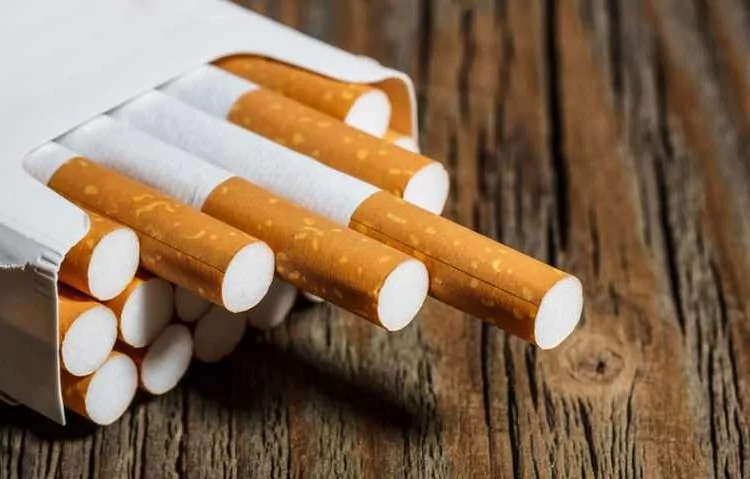
Health officials in Washington, D.C., warn that tobacco use remains the leading preventable cause of death in the United States. Despite declining smoking rates over recent decades, the evolution of nicotine delivery systems and persistent disparities in tobacco use continue to burden vulnerable populations.
Understanding Nicotine Addiction and Product Evolution
The commercial tobacco market has diversified beyond traditional combustible cigarettes to include electronic cigarettes, cigars, hookahs, smokeless tobacco, and nicotine pouches. Regardless of the delivery method, these products rely on nicotine, a highly addictive chemical that establishes a strong cycle of dependence.
When inhaled or absorbed, nicotine rapidly crosses the blood-brain barrier in under 10 seconds. This triggers a release of dopamine, temporarily altering brain reward pathways. As the brain adapts to the presence of the chemical, tolerance develops, forcing users to consume more to avoid withdrawal symptoms such as irritability, anxiety, and intense cravings.
Toxic Exposure and Primary Health Risks
Inhaling tobacco smoke introduces a toxic mixture of carbon monoxide, ammonia, formaldehyde, and heavy metals like lead directly into the lungs. This chemical exposure damages nearly every organ system, increasing the risk of coronary heart disease, stroke, chronic obstructive pulmonary disease (COPD), and type 2 diabetes.
The dangers extend to non-smokers through secondhand smoke. Inhaling secondhand smoke exposes bystanders to the same carcinogenic compounds, causing tens of thousands of lung cancer and heart disease deaths annually among non-smoking adults, while worsening respiratory illnesses in children.
Addressing Disparities Across Diverse Communities
Public health data reveals that tobacco-related illnesses do not affect all populations equally. Targeted marketing campaigns and systemic social factors have created distinct disparities in usage and health outcomes.
| Population Group | Health Impact & Disparity |
|---|---|
| American Indians & Alaska Natives | Suffer the highest overall rate of commercial tobacco use among racial and ethnic groups in the U.S. |
| African Americans | Experience higher death rates from smoking-related diseases and lower quit success rates, driven by aggressive menthol marketing and high retailer density in Black neighborhoods. |
| Low-Income Communities | Face higher exposure to secondhand smoke and localized retail marketing campaigns. |
Accessing FDA-Approved Cessation Resources
Quitting tobacco requires addressing both physical dependence and behavioral habits. The U.S. Food and Drug Administration (FDA) has approved several evidence-based treatments to ease withdrawal, including over-the-counter patches, gum, and lozenges, as well as prescription medications like Varenicline.
Individuals can access free, multilingual coaching by calling 1-800-QUIT-NOW (1-800-784-8669). Additionally, the FDA encourages individuals from diverse backgrounds to participate in research trials hosted at www.ClinicalTrials.gov to ensure cessation tools work effectively for all demographics.

- Philippines Mandates Safety Certification for Nicotine Pouches - October 12, 2026
- Poland’s Vape Tax Dispute Exposes Inflated Claims and Foreign Loopholes - October 12, 2026
- Turkey to Require National ID Numbers for Tobacco and Cigarette Sales - October 12, 2026
Related posts:
 The Afterglow Habit: Why Do Some People Smoke or Vape After Sex?
 Arkansas Bill to Limit Disposable Vapes Fails in Committee
 The Ultimate Cannabis Glossary: 150+ Terms for Modern Consumers
 UK Government Actively Considers Vape Licensing Scheme
 The Social Politics of Vaping: Student Culture’s New Currency

