
Russia’s Proposed Vape Ban Risks Driving $2.7 Billion Market Underground
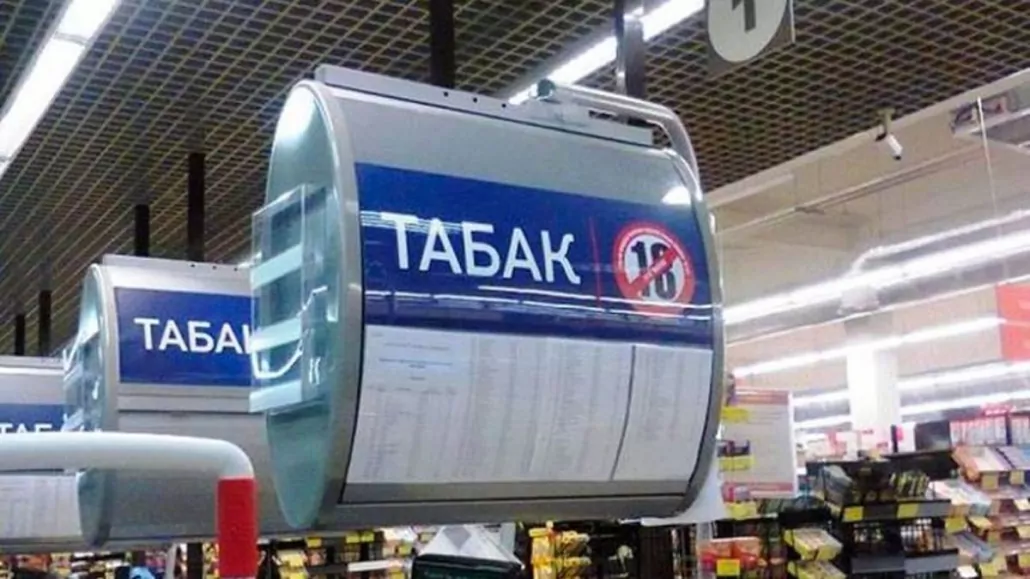
State Duma Speaker Vyacheslav Volodin has signaled a potential expansion of Russia’s anti-vaping campaign, following regional bans in five federal subjects. This legislative push occurs alongside upcoming federal licensing requirements, threatening to dismantle a retail sector that serves millions of adult consumers.
Federal Law No. 186-FZ introduces mandatory licensing for wholesale and retail tobacco and nicotine trade starting October 2026. Simultaneously, it allows regions to conduct experimental bans on electronic cigarettes from 2027 to 2032. However, several regions have already bypassed this timeline to enact immediate local bans.
The Economic Scale of Russia’s Vape Industry
The Russian electronic cigarette market has experienced rapid expansion. By 2024, the sector grew by 51.9%, surpassing 250 billion rubles ($2.7 billion) compared to just 30 billion rubles in 2017. Data from mapping services 2GIS and Yandex Maps recorded over 14,000 specialized vape shops by early 2026, alongside 100,000 federal retail chain outlets stocking these products.
For independent retailers, vapes serve as a vital financial anchor. While traditional cigarettes carry thin profit margins of 3% to 7%, vaping products and alternative tobacco yield margins of 20% to 50%. Removing these high-margin items threatens the financial viability of thousands of small businesses, particularly as new tax laws lower the income threshold for VAT exemptions to 20 million rubles.
High Taxes Drive Sales to the Black Market
The industry’s tax structure illustrates the economic principles of the Laffer Curve. In 2024, the Russian government increased the excise tax on e-liquids by 110%, raising it from 20 to 42 rubles per milliliter. The tax rose again to 44 rubles in 2025 and 49 rubles in 2026.
Initially, import tax revenues rose from 5.7 billion rubles in 2023 to 10.9 billion rubles in 2024. However, by the end of 2025, revenues dropped 2.5 times. The tax hikes did not stop consumption; instead, they drove the market underground. Currently, the Ministry of Finance and industry experts estimate that the illicit segment accounts for 60% to 80% of the total market.
| Market Metric | Current Status (2024-2026) | Projected Impact of a Total Ban |
|---|---|---|
| Market Value | Over 250 billion rubles (\$2.7 billion) | Migration of legal share to the shadow economy |
| Retail Points | 17,000 specialized shops; 100,000 retail chain outlets | Mass closures of legal shops; rise in online/Telegram sales |
| Illicit Trade Share | 60% to 80% of the current market | Expected to capture nearly 100% of remaining demand |
| State Budget Contribution | 100 billion rubles annually (excise, VAT, income tax) | Loss of tax revenues; wasted tracking infrastructure costs |
Lessons from Regional and International Bans
Perm Krai implemented a regional ban on March 1, 2026, prohibiting the sale of vapes, heated tobacco systems, and accessories. Despite strict fines of up to 100,000 rubles for businesses, data shows retail points in the regional capital only decreased by 9% in the first three months. This decline matches the national average reduction in cities without active bans, indicating that businesses simply moved sales to unregulated channels.
A similar outcome occurred in Kazakhstan, where a total vape ban took effect in 2024. A study by the Strategy Public Fund revealed that only 5% of consumers quit nicotine entirely. Meanwhile, 10% returned to smoking traditional cigarettes, and over 50% continued buying vapes through illegal channels, causing a 120% increase in the black market.
The Consequences of a Federal Prohibition
A nationwide ban in Russia would yield several negative outcomes. First, the state would lose up to 100 billion rubles in total annual tax contributions, including VAT and income taxes. It would also render useless the state’s recent investments in tracking systems, digital registries, and retail licensing infrastructure.
Second, a ban shifts market share to unregulated networks. Underground sellers do not verify buyer age, making it easier for minors to access nicotine. Furthermore, unregulated, homemade e-liquids pose greater health risks to consumers than taxed, quality-controlled products.
Rather than a sudden federal ban, regional pilots will likely continue, allowing authorities to analyze local outcomes before enacting nationwide policies.

- Mexico Passes Stricter Tobacco Law as Experts Warn of Cartel Trade - October 9, 2026
- FDA Tobacco Review Delays Threaten Public Health, GAO Report Reveals - October 9, 2026
- USA Northeast Vape Laws in 2026: State Taxes & Flavor Bans - October 9, 2026
Related posts:
 Germany Drafts Legislation to Ban Disposable E-Cigarettes
 Illicit Cigarettes Capture 60% of South Africa’s Market, Study Finds
 Western Australia Passes Strict Tobacco Amendments: $21M Fines and Store Closures
 Nicotine Pouches Rise in Canada: A Smoke-Free Shift
 Crystal Bar Taken Down Due to Nicotine Regulation Violations

