
Is Smokeless Tobacco Safe? 7 Critical Health Facts and Regulations Explained
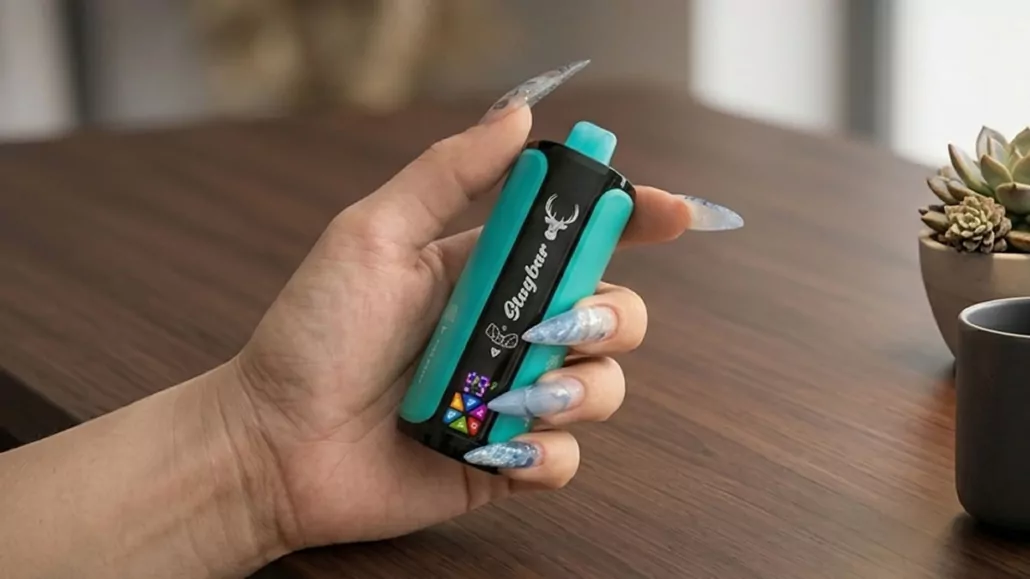
Over 360 million people globally consume smokeless tobacco products, often misled by the assumption that avoiding smoke eliminates health risks. Epidemiological data confirms that these products cause hundreds of thousands of deaths each year from head, neck, and cardiovascular conditions, prompting health authorities to push for stricter market oversight.
As international manufacturers actively expand their portfolios of non-combustible products, understanding the differences, chemical profiles, and health risks across these categories is essential for consumers and regulators alike.
1. What Constitutes Smokeless Tobacco?
Smokeless tobacco describes any preparation of tobacco consumed without combustion. Users consume these formulations orally or nasally, allowing nicotine absorption through mucosal membranes. The category includes several major preparations:
- Snuff: Finely pulverized dry tobacco intended for nasal inhalation, or moist formats placed in the oral cavity.
- Oral Chew and Pastes: Coarse tobacco leaves, plugs, or twists intended for chewing. Regional variants such as gutkha, khaini, zarda, and paan combine tobacco with slaked lime, areca nut, and aromatic flavorings.
- Snus: A moist, steam-pasteurized oral product originating in Sweden, sold loose or packaged in porous cellulose pouches placed between the upper lip and gum.
2. Are E-Cigarettes and Heated Tobacco Products in This Category?
Generally, e-cigarettes and heated tobacco products (HTPs) do not fall under the technical definition of smokeless tobacco.
Electronic cigarettes contain no cured tobacco plant material, utilizing liquid nicotine solutions instead. Conversely, heated tobacco products (such as IQOS) utilize processed tobacco sticks. While manufacturers market HTPs as smokeless devices because they heat rather than burn tobacco, independent laboratory research demonstrates that their thermal emissions contain both aerosol droplets and pyrosynthetic smoke constituents.
3. Where Do Modern Nicotine Pouches Fit?
White nicotine pouches (including brands like Zyn and Velo) do not contain raw tobacco leaf, separating them from traditional snus under most legal definitions. Instead, they contain pharmaceutical-grade nicotine powder, microcrystalline cellulose, salt, and food-grade flavorings.
However, because the majority of manufacturers extract this active compound from cultivated tobacco plants rather than synthesizing it chemically, public health researchers maintain that these products remain structurally tied to the tobacco agricultural supply chain.
4. How Smokeless Tobacco Triggers Malignancies
Scientific consensus establishes that smokeless tobacco causes malignant tumors of the oral cavity, pharynx, and esophagus. According to global health studies, the practice caused over 90,700 deaths from oral and upper digestive tract cancers in 2017 alone, alongside 260,000 cardiovascular deaths.
Malignancy typically follows distinct pre-cancerous oral lesions caused by direct chemical contact:
- Tobacco Pouch Keratosis: Thickened, wrinkled, leathery patches of tissue that develop precisely where users park oral tobacco.
- Leukoplakia and Erythroplakia: Flat white or red lesions inside the cheek or gums that carry high rates of malignant transformation.
- Oral Submucous Fibrosis: A chronic condition caused by tobacco mixed with areca nut (such as gutkha and paan). It leads to severe tissue stiffness, loss of mouth opening capacity, and malignant oral tumors.
5. Why Oral Tobacco Is Not a Safe Smoking Alternative
While smokeless products eliminate the combustion byproducts inhaled into the lungs from conventional cigarettes, they do not offer a safe exposure profile. Users absorb equivalent or higher levels of nicotine alongside carcinogenic tobacco-specific nitrosamines (TSNAs).
Beyond cancer, smokeless tobacco contributes to arterial stiffness, hypertension, sudden heart attack, tooth decay, and irreversible gum recession. Packaging oversights compound these hazards. A 2021 study revealed that over 90% of smokeless tobacco items sold across India lacked adequate warning labels or carried no warnings at all. Additionally, high dual-use rates among teenagers show that smokeless products frequently serve as an entry point to combustible cigarette smoking.
6. Big Tobacco’s Move into Smoke-Free Formats
The world’s four largest private tobacco conglomerates—Philip Morris International, British American Tobacco, Japan Tobacco International, and Imperial Brands—all distribute smokeless tobacco products. Beginning in the early 2000s, these corporations acquired Scandinavian snus manufacturers to retain customers facing public smoking bans.
These initial acquisitions established the distribution channels and consumer base necessary to launch modern oral nicotine pouches. The industry frequently points to Sweden’s low smoking rates as justification for their portfolio, though public health organizations attribute this decline primarily to strict taxation and comprehensive indoor air policies.
7. Public Health Policies Needed to Limit Harm
To reduce mortality across 360 million global consumers, health agencies recommend bringing smokeless varieties under identical regulatory frameworks as combustible tobacco:
- Tax Parity: Raising excise tax rates to discourage initial youth consumption and prevent cheap product substitution.
- Marketing Prohibitions: Restricting point-of-sale displays, sponsorship deals, and retail proximity around schools.
- Ingredient Standards: Restricting confectionery and fruit flavorings that mask tobacco bitterness for novice users.
- Consumer Warnings: Mandating graphic, photo-based warnings on all tins, packets, and pouches to communicate cancer risks clearly.

- Hawaii Bill Proposes Raising Cigarette Purchase Age to 100 - October 29, 2026
- Nicotine Pouch Use Surges Among US Adult Tobacco Users, Study Finds - October 29, 2026
- Vape Packaging Compliance: Labels, Rules & Legal Standards - October 29, 2026
Related posts:
 Texas Implements Ban on THC Vape Pen Sales on Sept 1st
 Juul Settles for $462 Million in Youth Vaping Claims – Six States and D.C. Reach Agreement
 $1 Million Illegal Vapes Seized on Way Into Western Australia
 The Afterglow Habit: Why Do Some People Smoke or Vape After Sex?
 Is the UK’s Generational Smoking Ban Pointless? A Data Dive
 Is Burnt Vape Bad for You: Health Risks Revealed

