
Why Are Disposable Vapes So Successful in 2025? Trends & Risks
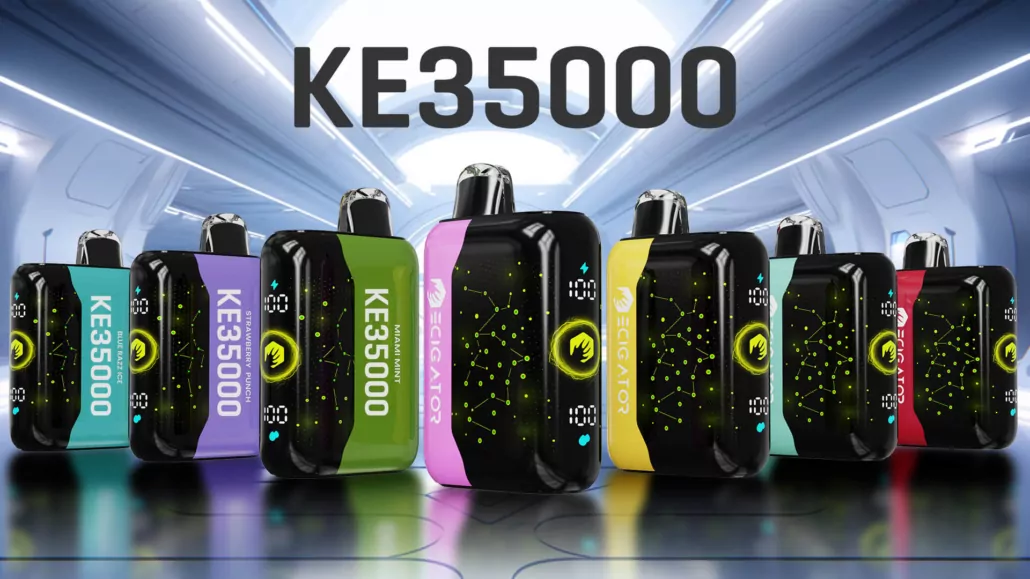
Disposable vapes remain successful in 2025 because they perfectly align with modern consumer demands for convenience, immediacy, and lifestyle integration. Their “unpack and use” simplicity, combined with a fashion-like cycle of trends and flavors, keeps them relevant despite increasing taxes and environmental scrutiny. The market thrives on a seamless retail experience that positions these devices as accessible tech accessories rather than just nicotine products.
Key Takeaways:
- Convenience is King: No charging or refilling makes them the ultimate “grab-and-go” product.
- Lifestyle Branding: Vapes are marketed like fashion accessories, appealing to trend-conscious consumers.
- Regulatory Headwinds: 2025 sees stricter rules, higher taxes, and environmental pushback challenging the sector.
- Retail Evolution: Online shops now resemble sleek lifestyle stores with seamless checkout processes.
Disposable vapes refer to single-use electronic cigarettes designed for immediate consumption without the need for recharging or refilling, transforming from a niche alternative into a dominant everyday accessory. As we move through 2025, the success of these devices highlights a fascinating tension between consumer demand for instant gratification and the tightening grip of regulation and environmental responsibility.
The Core Mechanics of Attraction: Why They Work
The primary reason for the enduring success of disposable vapes is their radical simplicity. They function as a “ready-made” solution that fits effortlessly into a fast-paced lifestyle. Unlike traditional vaping setups that require knowledge of coils, wattages, and e-liquids, disposables remove all friction.
This “get started right away” principle is amplified by social media, where trends spread instantly. Several key factors contribute to this magnetic appeal:
- Instant Start: Unpack and inhale; no setup required.
- Consistent Experience: Flavor and vapor production are reliable from the first puff.
- Portability: Small, sleek designs fit easily into any pocket.
- Pricing Logic: A clear, upfront cost without hidden expenses for accessories.
- Gadget Aesthetic: Designs often resemble modern tech gadgets rather than tobacco products.
The Retail Experience: From Product to Lifestyle
Success begins at the point of purchase. Modern vape shops have evolved far beyond clinical dispensaries or cluttered tobacco counters. They now resemble contemporary lifestyle stores, utilizing large imagery, intuitive menus, and a constant stream of new offers to define the shopping experience.
Online platforms exemplify this shift. Disposable devices are often presented alongside pod systems and accessories in a way that feels like browsing a fashion catalog. Filters guide users directly to their preferences—flavor, nicotine strength, or size—using evocative terms like “Ice,” “Tropical,” or “Sour” that describe the sensation immediately without needing technical explanations. This turns a regulated nicotine product into an impulse buy, supported by seamless checkout processes involving instant payments and digital wallets.
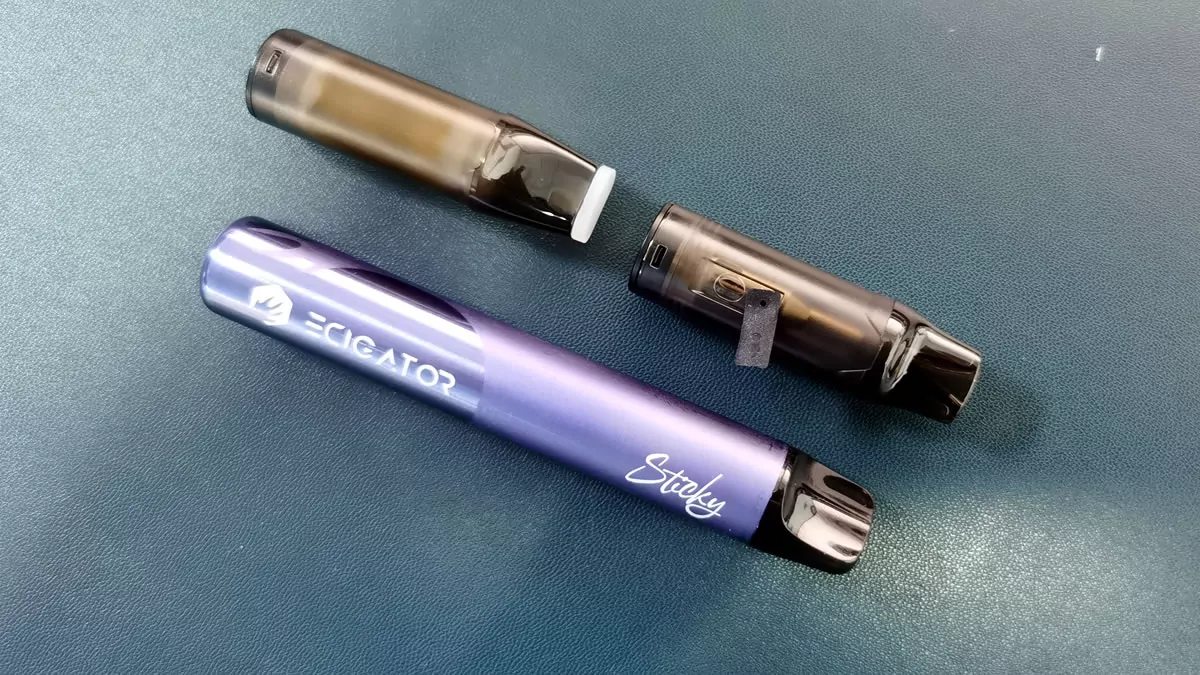
Market Dynamics in 2025: Growth Meets Headwinds
While consumer demand remains high, the market landscape in Germany and beyond has shifted noticeably in 2025. The sector is currently navigating a complex environment where growth is met with significant resistance.
| Market Factor | Current Status (2025) | Impact on Industry |
|---|---|---|
| Public Perception | Rising criticism over waste | Increased pressure for bans and take-back schemes. |
| Taxation | Gradual increases on e-liquids | Higher cost per milliliter drives bundles and discounts. |
| Advertising | Outdoor ad ban (since 2024) | Visibility shifts almost entirely to online channels. |
| Regulation | Strict age & ingredient rules | High compliance costs for reputable retailers. |
Despite these challenges, distribution remains attractive due to the high turnover rate of disposable products. Retailers are adapting by optimizing their product ranges, shipping logistics, and customer service to maintain loyalty in a price-sensitive market.
The Double-Edged Sword: Youth Appeal and Peer Pressure
One of the most controversial aspects of disposable vapes is their strong resonance with younger demographics. The product format fits perfectly into the world of social media, where colorful designs and visible vapor create shareable moments. The device appears more like a trendy accessory than a cigarette, and the lack of lingering smoke smell lowers the social barrier to entry.
Peer influence plays a significant role. When these devices appear in social circles, there is often pressure to participate. Responsible shops counter this with strict youth protection measures, including age verification at checkout and upon delivery. However, the effectiveness of these barriers relies entirely on consistent enforcement, creating a constant battle against gray market access.
Sustainability: The Dark Side of Convenience
The very feature that makes disposable vapes so successful—their disposability—is also their greatest liability. These devices contain lithium-ion batteries, electronics, and plastic, classifying them as electronic waste (e-waste). Yet, they are frequently discarded in general trash.
This improper disposal poses serious risks:
- Fire Hazards: Batteries in general waste can be crushed, leading to fires in sanitation trucks and facilities.
- Resource Loss: Valuable raw materials like lithium are lost instead of recovered.
- Environmental Pollution: Plastics and chemicals can leach into the environment.
Policymakers are responding with increasing pressure for mandatory take-back programs and clearer disposal instructions, pushing the industry towards reusable systems and easier return options.
Conclusion: Success with Side Effects
Disposable vapes are successful because they have mastered the art of frictionless consumption. They offer a simple, trendy, and accessible product backed by a sophisticated retail experience that mirrors lifestyle brands. However, this success comes with significant side effects.
As we move forward, the market will be defined by how it balances this consumer demand with growing opposing forces: stricter regulations, higher taxes, and the urgent need for sustainable solutions. The future of the industry lies not just in selling a product, but in navigating the complex intersection of enjoyment, youth protection, and environmental responsibility.

- Which States Still Grow America’s Tobacco? The Post-Buyout Era - June 17, 2026
- Pennsylvania: Pittsburgh Passes Strict Vape Shop Zoning Bill - June 10, 2026
- Ohio: Yellow Springs Halts New Smoke Shops with 180-Day Freeze - June 10, 2026
Related posts:
 Vaping Laws in Colorado – Is it Legal to Vape in Colorado?
 Why Vaping Causes Dry Mouth and How to Fix It
 Is It Illegal to Vape or Smoke While Driving in the UK?
 South Africa SABS Sets 35% Nicotine Ceiling in New Vaping Products Standard
 18K People Caught and Fined for Vaping in Singapore Over 15 Months

