
Cannabis Addiction and Depression: Study of 3 Million Reveals Link
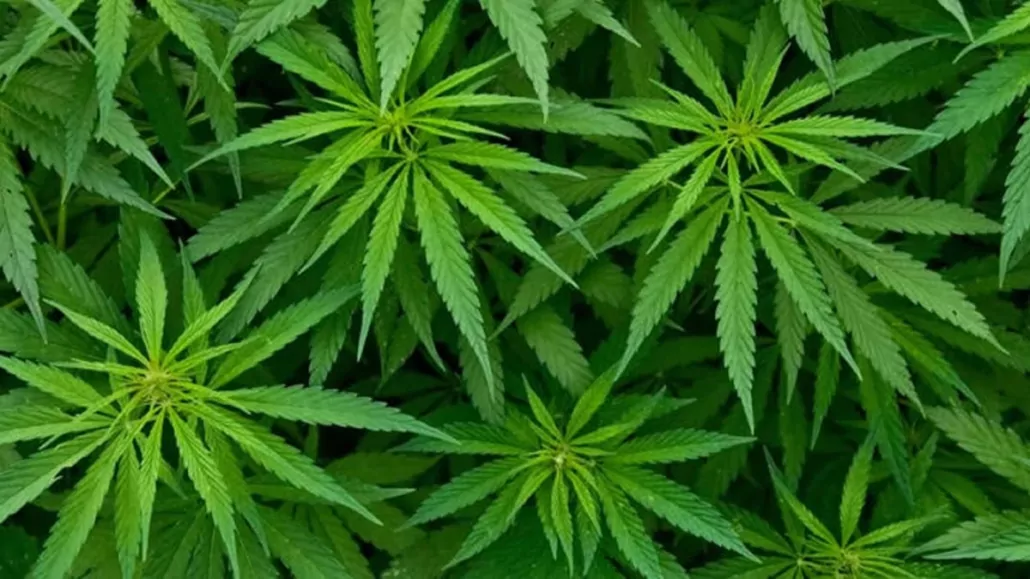
An international team of researchers has confirmed a significant link between cannabis addiction and major depression. Analyzing data from over 3 million people, the study published in the Journal of Psychiatric Research reveals that nearly a third of individuals with Cannabis Use Disorder (CUD) also suffer from Major Depressive Disorder (MDD), highlighting a critical mental health overlap as global cannabis use rises.
As cannabis becomes more widely accepted and utilized for stress relief, the line between casual use and problematic addiction is drawing intense scientific scrutiny. Individuals diagnosed with CUD experience intense cravings, withdrawal symptoms, and an inability to reduce consumption, even when the habit disrupts their education, career, or relationships.
To clarify the long-debated connection between this disorder and depression, researchers conducted a comprehensive meta-analysis. They utilized advanced statistical methods to review 55 English and Portuguese studies published through 2024, adjusting for variables like age, sex, and geographic location.
The findings illustrate a complex, bidirectional relationship between the two conditions, with prevalence rates shifting significantly based on the patient’s environment and history.
| Patient Population | Co-occurring Condition | Prevalence Rate |
|---|---|---|
| Individuals with Cannabis Use Disorder (CUD) | Major Depressive Disorder (MDD) | ~31% |
| Individuals with Depression (General Public) | Cannabis Use Disorder (CUD) | ~10% |
| Patients in Psychiatric Treatment for Depression | Cannabis Use Disorder (CUD) | >28% |
| Individuals with CUD | Lifetime History of Depression | ~35% |
Major Depressive Disorder goes far beyond temporary sadness. It is characterized by persistent low mood, overwhelming hopelessness, severe sleep and appetite disruptions, and in severe cases, thoughts of self-harm. The study found that people with more severe mental health problems are especially vulnerable to drug dependency.
While the overlap is notable in the general public (10%), it becomes drastically more pronounced in psychiatric clinics, where over 28% of patients receiving professional treatment for depression also battle cannabis addiction.
Researchers emphasize that the relationship is likely a complicated cycle. Some individuals may use cannabis to self-medicate emotional pain, anxiety, or insomnia. Conversely, chronic heavy use can exacerbate mood instability, drain motivation, and trigger social or financial issues that fuel further depressive episodes.
A major hurdle for healthcare providers is symptom overlap. Cannabis withdrawal can cause irritability, anxiety, sleep disruptions, and low mood. Because these perfectly mimic the symptoms of clinical depression, it is incredibly difficult for doctors to isolate withdrawal from a true depressive disorder.
While the study relies heavily on North American data—which may not fully reflect global populations with different healthcare systems and cannabis laws—the authors argue the evidence demands immediate changes in clinical practice.
They strongly recommend dual-screening protocols: doctors treating depression must screen for cannabis use, and addiction specialists must evaluate patients for underlying depression. Treating one condition without addressing the other significantly hinders recovery.
Although the meta-analysis does not definitively prove causation in either direction, it provides the clearest picture to date of this mental health crisis. As global cannabis laws relax, the findings serve as a crucial warning that heavy, long-term use carries significant psychiatric risks for vulnerable individuals.

- Indonesia: Denpasar Updates Smoke-Free Bylaw to Tighten Vape Rules - October 20, 2026
- Teen Girls Surpass Boys in Vaping Rates, Reversing Historic Trends - October 20, 2026
- Alabama: Irondale Proposes Public Vaping Ban with Fines Reaching $200 - October 20, 2026
Related posts:
 Governor Newsom Signs New Bill to Strengthen California’s Flavored Tobacco Ban
 Study Finds Less Restrictive Vaping Laws Linked to Faster Decline in Smoking Rates
 The Rising of Vaping and Decline of Cigarette Use in USA
 Milan Becomes First Italian City to Ban Smoking Outdoors, Imposes Hefty Fines
 Smoking Bans Worldwide: A Global Overview of Progress
 Philippine Government Allows Sale of Uncertified Vape Products Until September 7, 2024

