
Vaping POD Systems Guide: Types, Safety & E-Liquid Rules
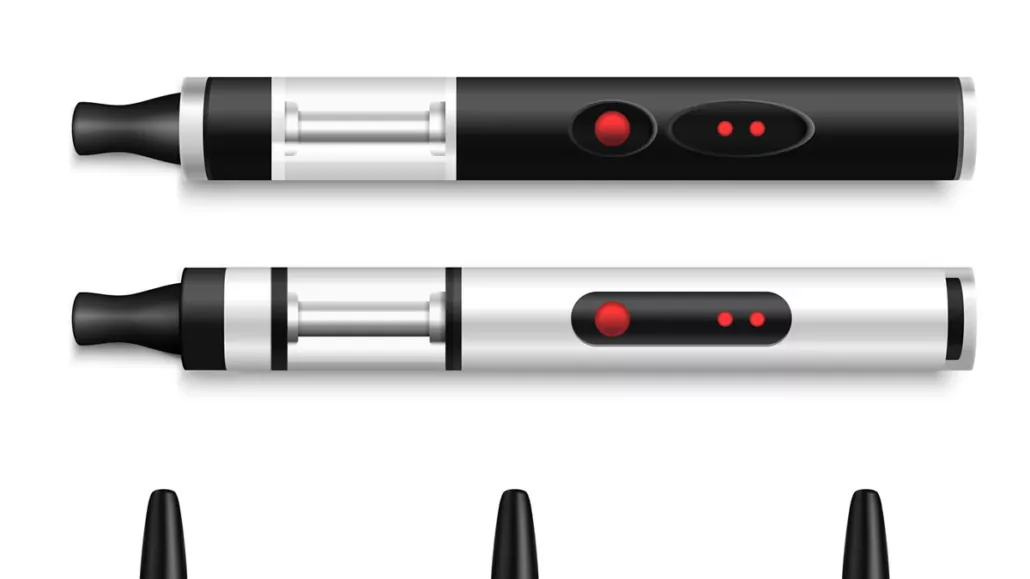
The vaping landscape has shifted dramatically from bulky box mods to sleek, user-friendly POD systems. These miniature devices have democratized vaping, offering a “plug-and-play” experience that appeals to both ex-smokers and hobbyists. However, the apparent simplicity of POD systems masks a complex array of technical choices. From nicotine salt formulations to coil resistance and battery safety, understanding the mechanics of these devices is essential for maximizing performance and minimizing cost.
Key Takeaways
- The Definition: A POD system consists of two parts: a battery mod and a capsule (pod) containing the coil and liquid.
- Two Main Types: Refillable systems offer long-term savings and flavor choice, while disposables provide zero-maintenance convenience.
- Liquid Compatibility: PODs require 50/50 PG/VG ratios and typically use nicotine salts for efficient low-wattage vaporization.
- Safety First: Modern devices feature built-in protections, but users must avoid high-VG liquids to prevent leaks and coil burnout.
- Battery Life: Capacity ranges from 300mAh to 1500mAh; higher capacity equals less charging but a larger device footprint.
The Anatomy of a POD System
A deep dive into the hardware reveals why POD systems have captured the market. Unlike traditional sub-ohm setups that require manual coil building and wicking, a POD system streamlines the process into two essential components:
- The Mod (Battery Pack): This houses the lithium-ion battery, the chipset, and the charging port. It regulates power output, often automatically adjusting to the resistance of the inserted pod.
- The Pod (Cartridge): This serves as both the tank and the mouthpiece. It contains the heating element (coil) and the wick. In closed systems, this is pre-filled; in open systems, the user fills it manually.
- Activation Mechanism: Most modern PODs utilize a “draw-activated” firing mechanism. A sensor detects airflow when the user inhales, instantly heating the coil without the need to press a button, simulating the tactile experience of smoking.
Refillable vs. Disposable: The Economic Trade-Off
Choosing between reusable and disposable systems is primarily a decision between convenience and cost.
Refillable (Open) Systems
These devices allow users to refill the pod with their choice of e-liquid. The coil is either integrated into the pod (meaning the whole pod is replaced when the flavor drops) or replaceable (meaning only the metal coil is changed).
- Pros: Significantly cheaper over time; access to thousands of e-liquid flavors; reduced plastic waste.
- Cons: Requires purchasing liquid bottles and occasional maintenance.
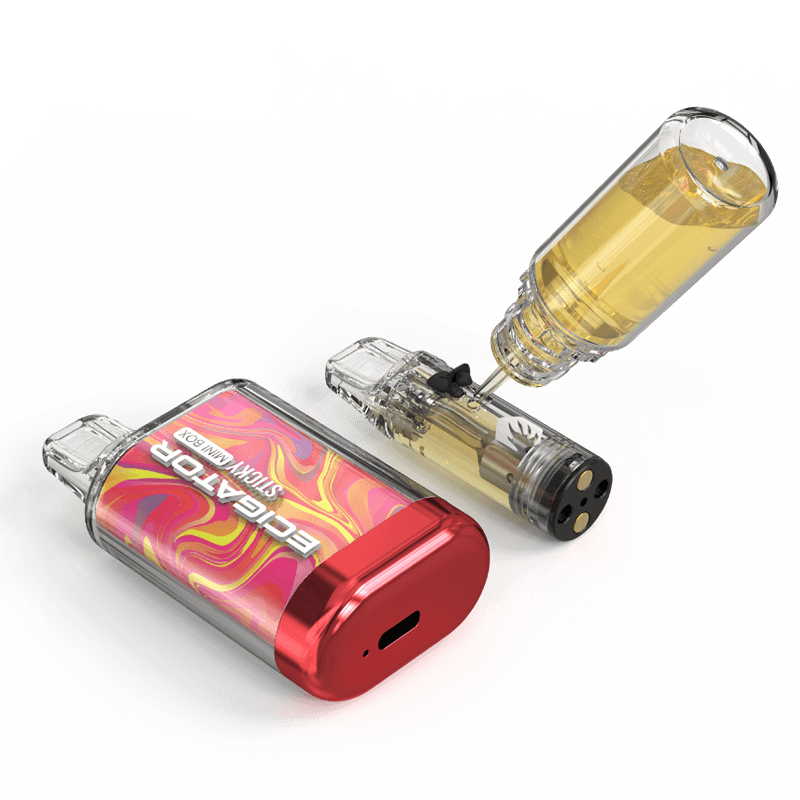
Ecigator Sticky Open Pod Kit (Box)
The Sticky Open Pod Kit is a contemporary vaping device that combines functionality with fashion. This kit is designed with a box-style form factor, offering a compact and stylish appearance that’s ideal for vaping enthusiasts on the move.
At the heart of this kit is a Refillable Open Pod System, with a capacity of 2ml, perfect for accommodating a variety of e-liquids. The pod is equipped with a high-quality Mesh Coil that not only ensures a rich and flavorful vaping experience but also boasts durability for up to 8 Refills.
Disposable (Closed) Systems
These are all-in-one units pre-filled with 1.5–2ml of liquid and a charged battery. Once the liquid runs out or the battery dies (typically after 300–600 puffs), the entire device is discarded.
- Pros: Zero maintenance; no refilling or charging required; ideal for travel or trial.
- Cons: High cost per milliliter; significant environmental impact due to lithium battery waste.
Comparison Matrix: System Types
The following table breaks down the operational differences to help users decide.
| Feature | Refillable POD System | Disposable POD System |
|---|---|---|
| Initial Cost | Higher ($20 – $50) | Lower ($10 – $20) |
| Long-Term Cost | Low (Liquid is cheap) | High (Paying for hardware every time) |
| Maintenance | Refilling & Coil Changes | None (Use & Toss) |
| Flavor Options | Unlimited (Any bottled liquid) | Limited to manufacturer flavors |
| Sustainability | Moderate (Plastic pods) | Poor (Battery waste) |
The Chemistry of E-Liquids: Why Ratio Matters
Examining the viscosity requirements of POD systems is crucial for preventing device failure. These devices operate at low wattages (10-20W) and utilize small wicking ports. Consequently, they cannot handle thick, high-VG liquids designed for cloud chasing.
- Nicotine Salts: The standard for PODs. Salts use a lower pH to allow for higher nicotine concentrations (20–50mg/ml) without the harsh “throat hit” of freebase nicotine. This makes them efficient for low-power devices.
- PG/VG Ratio: The optimal balance is 50/50 or 60/40.
- Too much VG (Vegetable Glycerin): The liquid becomes too thick, failing to saturate the wick. This leads to “dry hits” and burnt coils.
- Too much PG (Propylene Glycol): The liquid becomes too thin, potentially causing leaks through the airflow ports.
Safety Protocols for POD Users
While POD systems are designed with user safety in mind—featuring cut-off timers and short-circuit protection—user behavior plays a critical role.
- Charging Safety: Always use the cable provided and avoid “fast chargers” meant for phones, which can overheat the small batteries.
- Contact Maintenance: Condensation often builds up between the pod and the battery. Regularly wiping these contacts with a dry cloth prevents misfires and sensor failure.
- Storage: Never leave a POD system in a hot car or direct sunlight. Heat thins the e-liquid, causing massive leaks, and can degrade the battery chemistry.
How to Choose Your Device
Selecting the right system depends on your “vaping persona”:
- The Ex-Smoker: Look for a simple, draw-activated refillable system with a tight airflow (MTL) to mimic a cigarette. Prioritize nicotine salt compatibility.
- The Commuter: A disposable or a pod with a large battery (1000mAh+) ensures the device lasts all day without charging.
- The Hobbyist: Advanced POD mods now offer adjustable wattage (5-40W) and screens, allowing for a customized experience that bridges the gap between pods and box mods.
Can I put regular vape juice in a POD?
Only if the ratio is correct. “Regular” high-VG juice (70/30 or max VG) is too thick and will burn out your POD coil instantly. Look for 50/50 bottles, often labeled as “Salt Nic” or “Pod Juice.”

- Which States Still Grow America’s Tobacco? The Post-Buyout Era - June 17, 2026
- Pennsylvania: Pittsburgh Passes Strict Vape Shop Zoning Bill - June 10, 2026
- Ohio: Yellow Springs Halts New Smoke Shops with 180-Day Freeze - June 10, 2026
Related posts:
 Pakistan’s Haripur District Bans Sale of E-Cigarettes, Vapes, and Nicotine Products
 Vaping Teeth Staining Nicotine Oral Health: Complete Guide
 Comprehensive Guide to TPD Testing
 Nicotine Pouch Use Surges Among Teens, Study Warns
 What is ejuice and How to Steep Vape Juice
 How Much Nicotine Are You Inhaling with A Vape

