
Hemp Compliance Cliff 2026: Total THC Caps & Intoxicating Hemp Ban
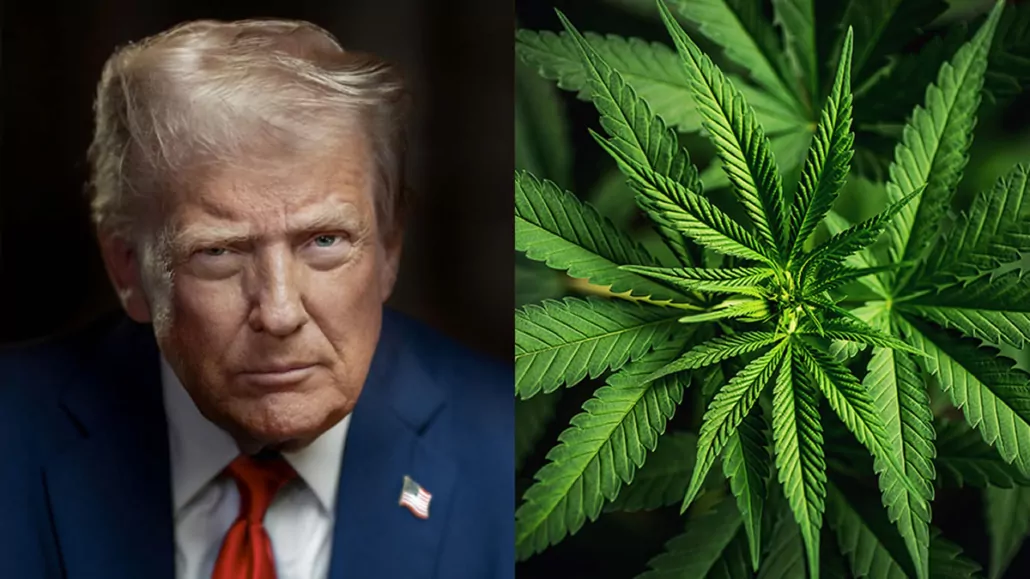
While federal marijuana policy trends toward liberalization, the hemp industry faces a severe regulatory contraction in 2026. Late 2025 legislation has fundamentally redefined lawful hemp, targeting the booming market of intoxicating hemp-derived products. President Trump’s signing of H.R. 5371 introduces a “Total THC” standard and strict per-container caps, setting a compliance “cliff” for November 12, 2026. For brands, manufacturers, and retailers, this is an existential pivot: current portfolios of Delta-8, THCA flower, and high-potency gummies may become federally illegal overnight.
Key Takeaways
- The “Total THC” Shift: New federal rules count THCA toward the 0.3% limit, eliminating the loophole for “non-intoxicating” flower that converts to THC when heated.
- Per-Container Caps: Strict limits on total milligrams per package will force the reformulation or discontinuation of high-potency gummies and full-spectrum products.
- The “Cliff” Date: Full enforcement begins November 12, 2026, serving as a hard deadline for inventory sell-down and retail resets.
- CBD Carve-Out: Executive Orders suggest a protected lane for non-intoxicating CBD wellness products, potentially subsidized by Medicare.
- Supply Chain Shock: Retailers and payment processors are expected to tighten standards before the deadline to mitigate liability.
The New Framework: Closing the THCA Loophole
The text of H.R. 5371 reveals a deliberate dismantling of the “intoxicating hemp” market. The industry historically relied on the 2018 Farm Bill’s definition, which measured only Delta-9 THC. This allowed products high in THCA (which converts to psychoactive Delta-9 upon heating) to be sold legally. The new federal funding bill closes this gap by mandating a “Total THC” calculation. This change captures products that test low in Delta-9 at the lab but are functionally identical to marijuana when consumed.
Furthermore, the introduction of a per-container THC cap creates a structural barrier for “full-spectrum” products. Many current SKUs, even those not explicitly marketed as intoxicating, may exceed these new ceilings, requiring a ground-up re-engineering of formulations and packaging. This effectively bifurcates the market: a narrow, highly regulated lane for CBD wellness, and a prohibited zone for everything else.
The CBD “Safe Harbor” Strategy
Interestingly enough, the crackdown on intoxication is paired with a potential boost for genuine wellness products. President Trump’s December 18, 2025 Executive Order directs HHS to expand access to hemp-derived CBD consistent with federal law. Read together with the restrictions, this signals a policy goal: eliminate the “gas station high” while integrating non-intoxicating CBD into the legitimate healthcare system. This is further evidenced by the anticipated CMS model in April 2026, which may allow Medicare beneficiaries up to $500 annually for eligible CBD products.
Comparison Matrix: Pre-2026 vs. Post-2026 Hemp Rules
The regulatory environment is shifting from a permissive “gray market” to a strict compliance regime.
| Feature | Current Framework (Pre-Cliff) | New Federal Standard (Post-Nov 2026) |
|---|---|---|
| THC Measurement | Delta-9 THC only (0.3% limit) | Total THC (Delta-9 + THCA) |
| Product Formats | High-potency gummies, THCA flower | Per-container caps limit potency |
| Intoxicating Hemp | Widely available (Delta-8, etc.) | Targeted for elimination |
| CBD Access | Consumer retail market | Potential Medicare coverage for approved SKUs |
The 2026 Compliance Calendar
Businesses must track four critical dates to survive the transition. Waiting for a potential legislative delay (like the bill introduced Jan 12, 2026) is a high-risk strategy.
- February 10, 2026: FDA deadline to publish guidance on permitted naturally occurring cannabinoids. This will define the “safe list” for retailers.
- April 2026: CMS expected to launch the Medicare CBD reimbursement model, opening a new revenue stream for compliant brands.
- September 30, 2026: Expiration of the 2018 Farm Bill extension. A new Farm Bill could either codify these restrictions or introduce new variables.
- November 12, 2026 (The Cliff): Full effectiveness of H.R. 5371 restrictions. Non-compliant inventory becomes federal contraband.
Supply Chain & Operational Impact
A deep dive into supply chain dynamics suggests that the “cliff” will arrive early for many businesses. Large retailers and payment processors, averse to federal risk, typically enforce new standards months ahead of legal deadlines. Brands should expect demands for updated Certificates of Analysis (COAs) testing for Total THC well before November.
This pre-emptive tightening will likely trigger a wave of SKU rationalization. Retailers will delist products that cannot meet the new per-container limits, forcing manufacturers to manage returns and destruction protocols. Contracts must be updated immediately to address “change-in-law” clauses, indemnities, and recall allocations to avoid catastrophic liability when the rules shift.
Will Delta-8 be illegal in 2026?
Under the “Total THC” and per-container cap rules, most current Delta-8 products will likely be non-compliant. The legislation specifically targets intoxicating hemp derivatives, closing the loophole that allowed their proliferation.
- Read more: Cannabis Rescheduling 2026: The Schedule III Shift Explained
- Reference: Cannabis in 2026 – Part II- Hemp Tightening in 2026—The Compliance Cliff, CBD Carve-Out Signals, and Business Risk

- Indonesia: Denpasar Updates Smoke-Free Bylaw to Tighten Vape Rules - October 20, 2026
- Teen Girls Surpass Boys in Vaping Rates, Reversing Historic Trends - October 20, 2026
- Alabama: Irondale Proposes Public Vaping Ban with Fines Reaching $200 - October 20, 2026
Related posts:
 Japan Updates World’s Strictest THC Limits in CBD Products
 Canadian Anti-Smoking Groups Urge to Ban Flavored Vapes
 Flight Attendant Explains Why Vapes and IQOS Are Banned on Airplanes
 Nevada Vape Directory Bill (SB 435) Faces Opposition
 Young Americans Still Smoking Tobacco & Cannabis: Study
 COP11 Exposes Deep Divisions in WHO’s Anti-Nicotine Strategy

