
Bangladesh Vape Ban Proposal Faces ‘Foreign Influence’ Claims
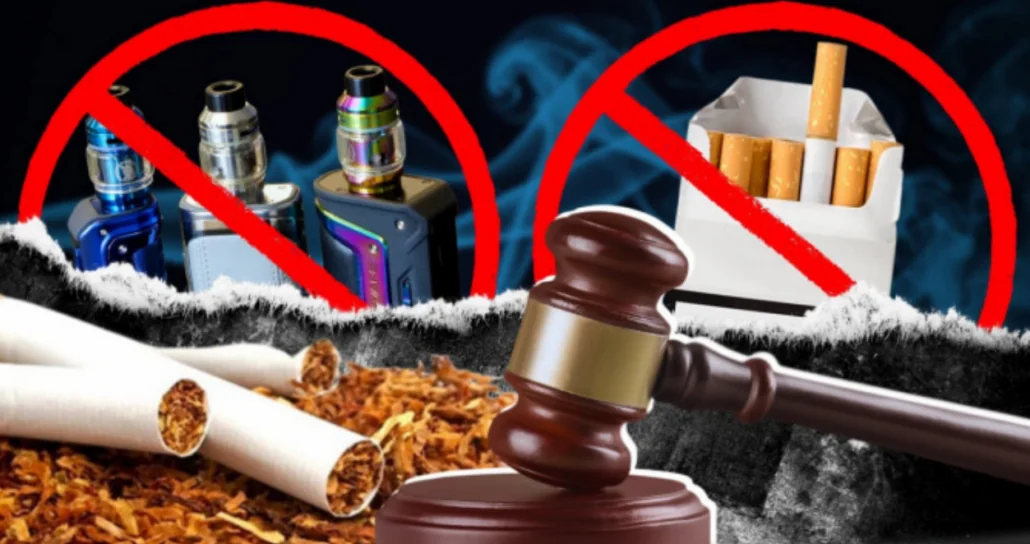
The Bangladesh Ministry of Health is advancing a new bill to completely ban all safer nicotine products (SNPs), including vaping devices and oral alternatives. The move has drawn sharp criticism from regional public health advocates, who allege the policy is being driven by foreign-funded organizations and pushed through without public consultation under an interim government.
According to the Coalition of Asia Pacific Tobacco Harm Reduction Advocates (CAPHRA), the Ministry is misusing a WHO article to justify excluding stakeholders from the policymaking process. CAPHRA claims the proposal is heavily influenced by foreign entities like Bloomberg Philanthropies and its grantee, the U.S.-based Campaign for Tobacco-Free Kids (CTFK), which have funded anti-nicotine campaigns globally.
Nancy Loucas, Executive Coordinator of CAPHRA, condemned the approach as “policy outsourcing,” warning that Bangladesh risks letting foreign NGOs override its institutions. She noted similar foreign-backed proposals were recently rejected in Pakistan and the Philippines in favor of evidence-based harm reduction.
Critics argue a ban could backfire, pointing to countries like India and Australia where such prohibitions have fueled black markets with unregulated products. With one of the world’s highest rates of tobacco-related illness, they contend Bangladesh would benefit more from a regulated harm reduction strategy than a ban denying smokers access to proven quitting tools.

- South Australia Unveils Nation’s Toughest Illicit Tobacco Laws with $21M Fines - October 22, 2026
- German Tobacco Tax Drafting Error Creates Legal Loophole for E-Cigarettes - October 22, 2026
- Australian Daily Smoking Rises for First Time Since 1993, Wesfarmers Data Shows - October 22, 2026
Related posts:
 UK to Ban Single-Use Disposable Vapes from June 2025
 California Arroyo Grande to Fully Ban on Vape Distribution
 90% of UK Vape Producers and Retailers Fail Environmental Regulations
 Adult Smoking Rates Fall But Youth Vaping Sparks Concern
 Britain’s Chance to Lead the Way on Vaping and Outdoor Smoking Regulations
 Rhode Island Permanently Bans Flavored Vaping Products

