
Bhutan’s Strict Anti-Smoking Laws: Public Health or Too Far?
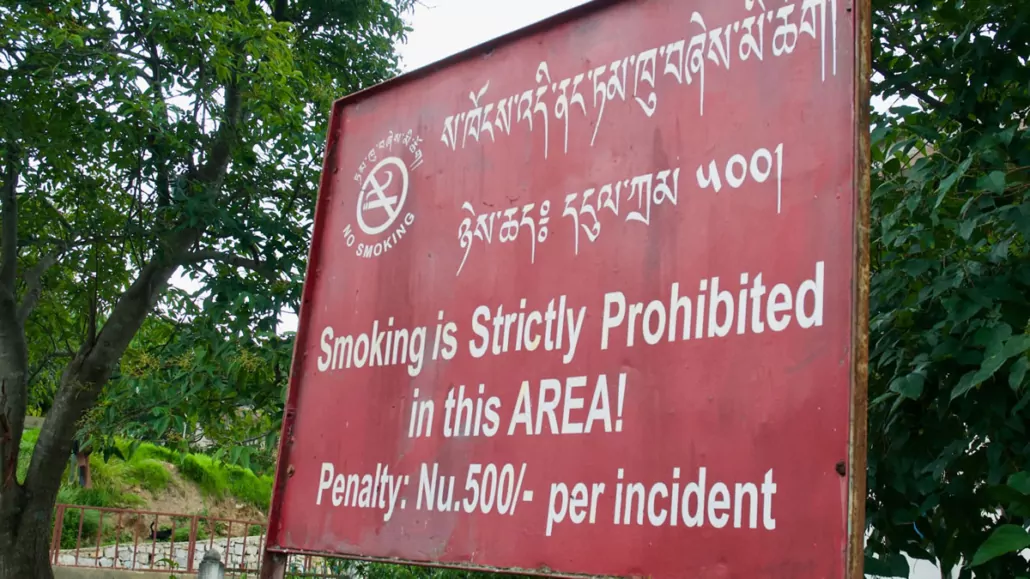
The Himalayan nation of Bhutan is home to the world’s strictest anti-tobacco legislation, a policy rooted in centuries-old Buddhist values that has culminated in laws criminalizing the sale and smuggling of tobacco products. A stark example of this policy’s severity is the case of Sonam Tshering, a 24-year-old Buddhist monk sentenced to three years in prison for attempting to smuggle just $2.50 worth of chewing tobacco into the country from India.
Bhutan’s journey towards becoming a smoke-free nation began in December 2004, when it became the first country in the world to ban the sale of all tobacco products. This was followed by a ban on smoking in public places like pubs and restaurants. The initial push was deeply cultural, driven by an older generation of parliamentary representatives who viewed tobacco consumption as sinful and contrary to the teachings of Guru Padmasambhava, the country’s most revered Buddhist saint. The ban was celebrated with a bonfire of cigarette cartons in the capital, Thimphu, and earned accolades from the World Health Organization (WHO).
However, the 2004 ban had unintended consequences. A lucrative black market for tobacco products quickly emerged, with prices soaring to 200% above retail, and the prohibition was often openly flouted. Embarrassed by this failure, the newly democratic Bhutanese parliament passed a much more stringent act in 2010, which is in effect today. This law not only forbids the sale or smuggling of tobacco but also imposes jail sentences of up to three years for smoking in “restricted areas,” with no chance of bail for such offenses.
While it is legal for residents and tourists over 18 to import limited amounts of tobacco for personal use (e.g., 200 cigarettes), they must pay a 100-200% duty and carry the import receipt at all times as proof of legal importation. This must be presented if smoking in a permissible public area.
The harshness of the law, particularly the sentencing of Sonam Tshering, has sparked a rare show of public dissent in the young democracy. A citizen’s movement to amend the bill, started on Facebook by media consultant and smoker Kinley Shering, has gained momentum. Opposition Party Leader Tshering Tobgay has called the law “draconian” and “dangerous.”
The government, however, remains resolute. Prime Minister Lyonchhoen Jigmi Y Thinley has defended the law as the “will and desire” of the people, arguing it is the responsibility of leaders to protect citizens from the harms of tobacco. Health Minister Lyonpo Zangley Dukpa dismissed the Facebook movement as being driven by a small minority of “chain smokers — drug addicts even,” pointing out that smokers make up less than 10% of Bhutan’s population. Regarding the monk’s sentence, the Prime Minister stated, “if this deters and saves thousands of other Bhutanese from committing the same crime, then I say it is worth it.” This stance highlights the ongoing, intense debate in Bhutan between a state-led vision of a pure, smoke-free society and the push for what some see as greater personal freedom.
- Read more: Bhutan Revises Tax Rates for Tobacco & Vape Products
- Article source: Do Bhutan’s Anti-Smoking Laws Go Too Far?

- Indonesia: Denpasar Updates Smoke-Free Bylaw to Tighten Vape Rules - October 20, 2026
- Teen Girls Surpass Boys in Vaping Rates, Reversing Historic Trends - October 20, 2026
- Alabama: Irondale Proposes Public Vaping Ban with Fines Reaching $200 - October 20, 2026
Related posts:
 Devon Launches ‘Swaptober’ Campaign, Offering Vape Starter Kits to Help Smokers Quit
 Massachusetts Generational Tobacco Ban Bill Set for 2024
 Australia Strengthens Vape Regulations in 2024: A Comprehensive Review
 Finland Vaping Regulations Guide for Vape Business Owner
 TGA’s Vaping Crackdown: Enforcing Regulations on Unregistered Vaping Products

