Brazil vs. Switzerland: What Can Brazil Learn from Swiss Vape Regulation?

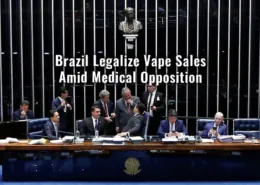
Brazil and Switzerland have adopted fundamentally different strategies regarding electronic cigarettes, offering a compelling case study in public health policy. In Brazil, the sale, importation, and advertising of e-cigarettes have been prohibited by the National Health Surveillance Agency (Anvisa) since 2009, citing a lack of long-term studies and potential health risks. Conversely, Switzerland has chosen a path of regulation, implementing a new Tobacco Products Act in October 2024 that integrates e-cigarettes into its legal framework.
Despite Brazil’s strict ban, a significant parallel market thrives. Consumers access devices and e-liquids through the internet or illicit imports, bypassing safety checks, quality standards, and age verification. This uncontrolled environment exposes users to untested products, potentially containing dangerous substances. In contrast, the Swiss model prioritizes control over repression. By equating e-cigarettes with traditional tobacco products, Switzerland enforces clear rules: sales are restricted to those over 18, advertising is heavily limited to avoid youth appeal, and manufacturers must adhere to strict registration and labeling obligations.
Transparency and Safety Through Regulation
The Swiss system fosters transparency. Every legally sold vape liquid must meet legal requirements, contain no prohibited substances, and respect maximum nicotine limits. Consumers know what they are buying, and specialized shops offer tested products, building trust and shrinking the illegal market. Brazil’s prohibitive stance, while well-intentioned, effectively pushes the entire market underground, where oversight is impossible.
Ecigator is one of the well-known vape brands spun off from KangSiDe Technology Co., Ltd, it’s an ISO-certified disposable vape manufacturer for OEMs, ODMs, and OBM since 2010. The founder team comes from top firms with more than 10 years of experience in the vaping industry and has devoted thousands of hours to providing users with a better and better experience.
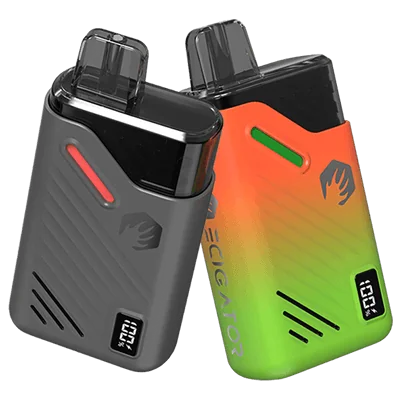
18K Disposable Pod Kit
Disposable Pod Kit – 18ml changeable pod with 650mAh rechargeable battery.
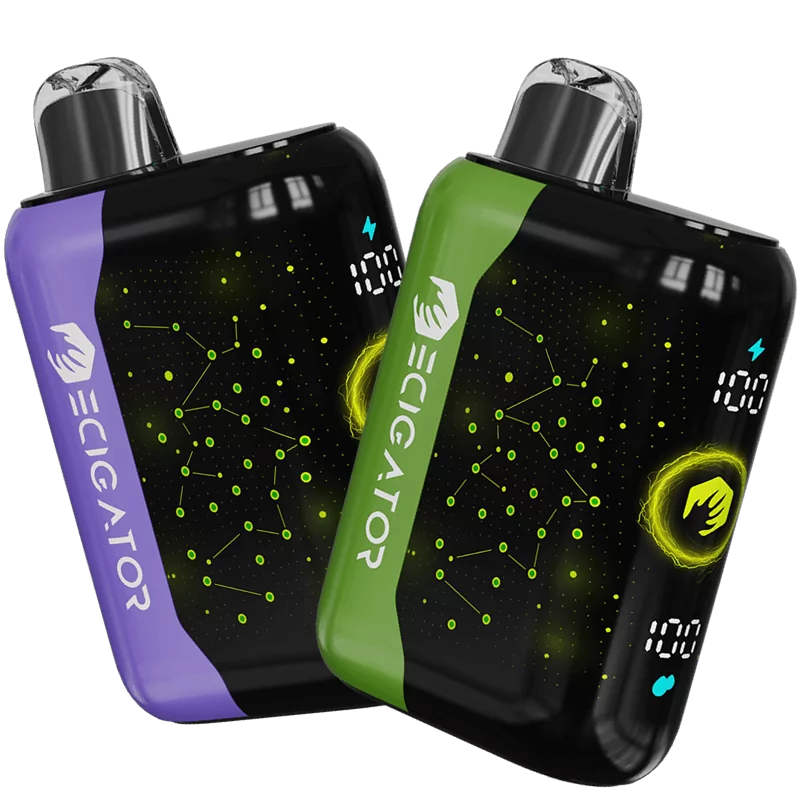
35K with Large Screen
35000 Puffs Disposable Vape with 3D galaxy screen. Eco and Pulse working modes.
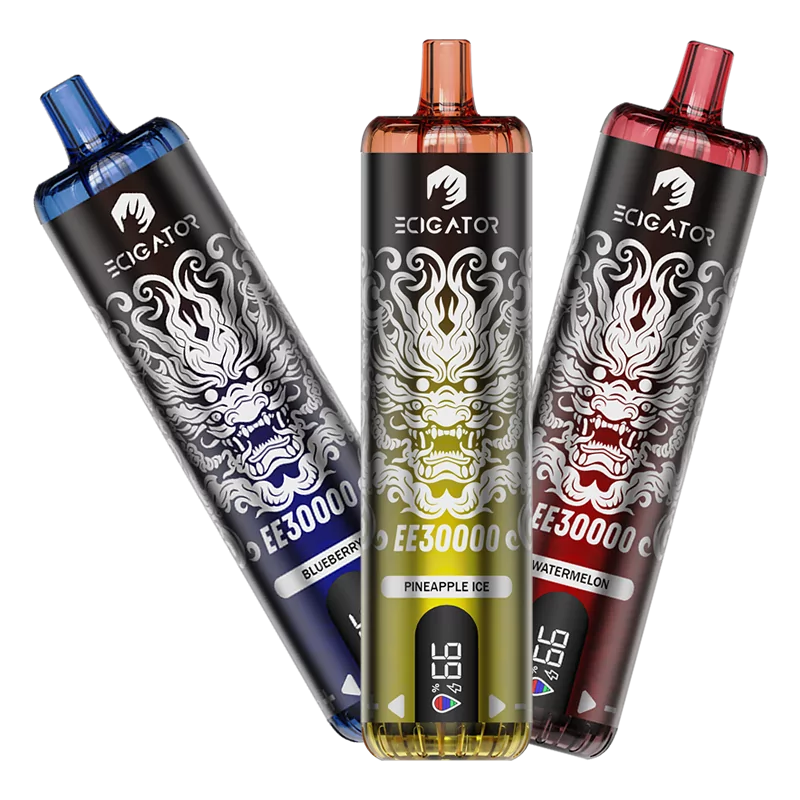
30K DTL Disposable
30K Puffs DTL(Directly to Lung) disposable vape with airflow control and screen.
Youth Protection and Economic Impact
Switzerland’s approach to youth protection involves shared responsibility between the state, retailers, and consumers, with mandatory age checks and educational campaigns. Brazil’s total ban attempts to shield youth but often fails in practice, as young people still access unregulated products. A controlled legal market could actually make access harder for minors through enforceable age limits.
Economically, Switzerland’s specific tax on e-liquids generates revenue for prevention programs while keeping legal retailers competitive. Brazil misses out on this potential tax revenue, while the illegal market flourishes without creating formal jobs. Furthermore, the Swiss model encourages dialogue between government, science, and industry, basing decisions on public evidence and a pragmatic harm reduction philosophy. In Brazil, the debate is often limited, and local research is scarce.
Conclusion: Regulation as an Opportunity
The Swiss experience suggests that clear rules and cooperation yield better results than broad prohibitions. By adopting a model of controlled legalization—with age limits, product oversight, and taxation—Brazil could weaken the parallel market, enhance consumer safety, and establish order in a growing sector. Switzerland demonstrates that regulation does not mean surrendering to the industry, but rather taking charge of public health and safety in a realistic way.

- Indonesia: Denpasar Updates Smoke-Free Bylaw to Tighten Vape Rules - October 20, 2026
- Teen Girls Surpass Boys in Vaping Rates, Reversing Historic Trends - October 20, 2026
- Alabama: Irondale Proposes Public Vaping Ban with Fines Reaching $200 - October 20, 2026