
Two-Thirds of Brits Oppose Generational Smoking Ban: Poll
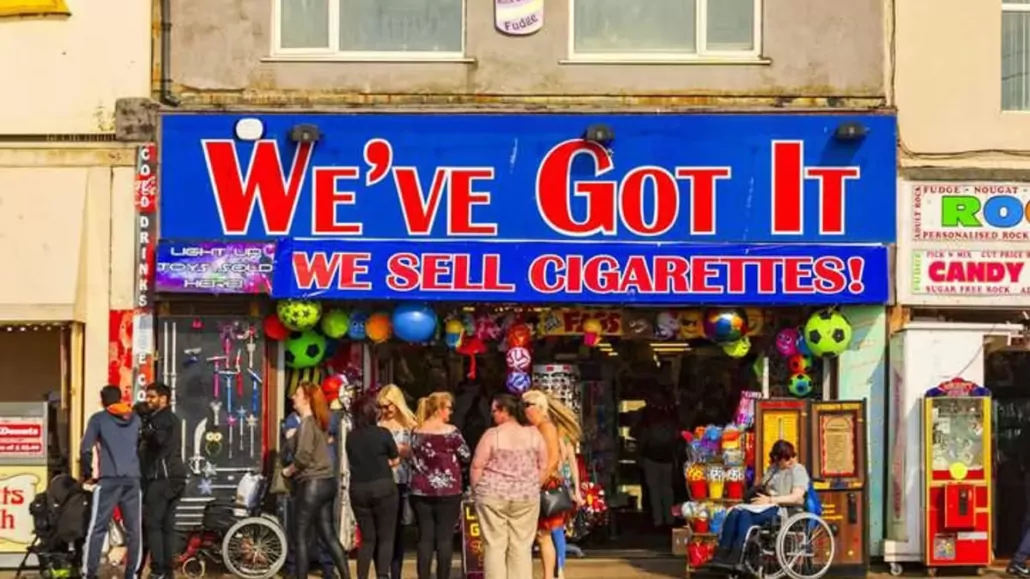
a new poll indicates that nearly two-thirds of Britons oppose the government’s generational smoking ban, which would prohibit tobacco sales to anyone born on or after January 1, 2009. The majority favor alternative measures like raising the minimum age to 21 or maintaining current laws, citing concerns over enforceability and the potential growth of the black market.
Key Takeaways:
- Majority Opposition: Only 30% of respondents support the ratcheting ban; 55% want it scrapped or modified.
- Alternative Preferences: 29% prefer current laws; 26% favor raising the age to 21 for smoking and vaping.
- Enforcement Concerns: Critics warn of burdens on shopkeepers and a surge in illicit trade.
- Political Divide: Even among Labour voters, only one in three supports the ban.
The generational smoking ban refers to a legislative proposal in the UK that aims to create a “smoke-free generation” by making it illegal to sell tobacco products to anyone born on or after January 1, 2009. While intended to phase out smoking completely, new polling suggests this policy faces significant public resistance.
Poll Reveals Widespread Skepticism
According to research by Whitestone Insight for The Freedom Association, millions of Britons are against the new policy, which is set to become law in 2027. The data shows that nearly two-thirds of the population—encompassing both smokers and non-smokers—oppose the measure. Even among Labour voters, support is tepid, with only 34% backing the idea.
The poll highlights a clear preference for alternative regulatory approaches:
| Policy Option | Public Support |
|---|---|
| Generational Ban (Ratcheting Age) | 30% |
| Maintain Current Laws (18+) | 29% |
| Raise Minimum Age to 21 | 26% |
David Campbell Bannerman, Chairman of The Freedom Association, described the proposal as “unworkable and unenforceable,” arguing that it places undue burdens on shopkeepers who would eventually have to check the IDs of middle-aged customers.
Fears of a Black Market Boom
Critics, including the Institute of Economic Affairs, warn that the ban will not eliminate demand but rather push it underground. There are significant concerns that the policy will drive a black-market boom, funneling profits to organized crime groups instead of legitimate retailers. Voters in key “Red Wall” constituencies have expressed particular worry about the potential rise in illegal cigarette trading and associated criminality.
Reform MP Lee Anderson slammed the bill as a “nanny State policy” that ignores more pressing issues like the cost of living crisis. “The bid to outlaw smoking through a generational ban… is unenforceable and costly to the taxpayer,” he stated.
Legal Hurdles and Future Steps
The Tobacco and Vapes Bill has passed its initial stages in the House of Commons and is currently under review in the House of Lords. However, complications have arisen regarding its application in Northern Ireland, which remains subject to EU single market rules on tobacco. This legal wrangling with Brussels threatens to delay the bill’s final approval.
Lord Strathcarron, a crossbencher in the House of Lords, expressed hope that the government would realize the policy is an “unworkable mess” that infringes on personal liberty. As the debate continues, the government faces the challenge of reconciling its public health goals with significant public opposition and practical enforcement realities.

- Indonesia: Denpasar Updates Smoke-Free Bylaw to Tighten Vape Rules - October 20, 2026
- Teen Girls Surpass Boys in Vaping Rates, Reversing Historic Trends - October 20, 2026
- Alabama: Irondale Proposes Public Vaping Ban with Fines Reaching $200 - October 20, 2026
Related posts:
 Mexican Chamber of Deputies Approves Constitutional Ban on Vaping and Illicit Fentanyl
 UK Cracks Down on Illegal Vapes & Tobacco in High Street Raids
 Vaping Bans and Fines: What Brits Must Know Before Traveling Abroad
 Lost Mary 4in1 Prefilled Pod Flavours Review
 Massachusetts Cities Consider Generational Tobacco Bans

