
England Proposes Vaping Ban in Cars with Children
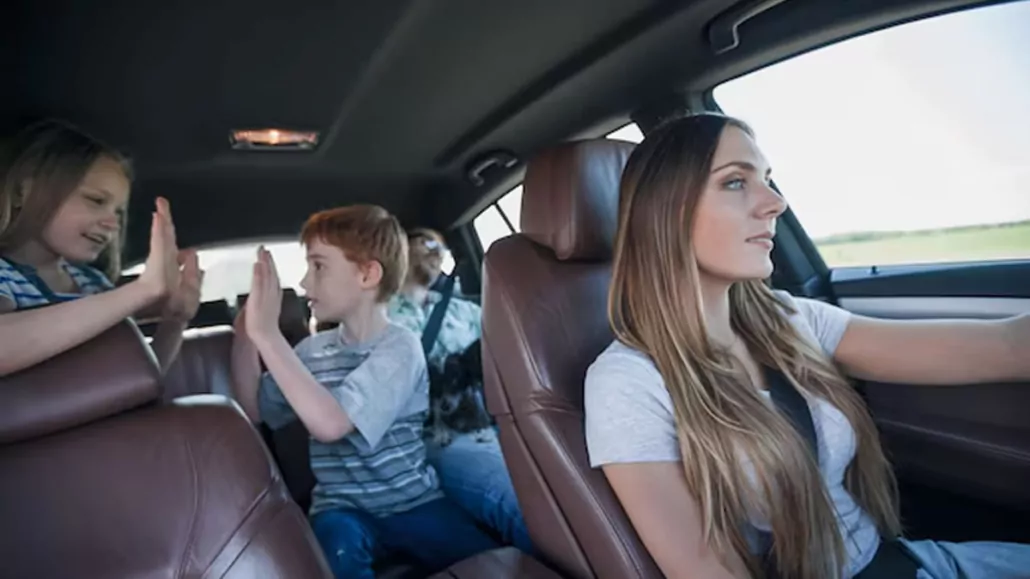
The UK government has launched a 12-week public consultation (ending May 8) to extend smoke-free laws to outdoor spaces, specifically proposing a ban on vaping in private vehicles when children are present. The measure, part of the broader Tobacco and Vapes Bill, also targets playgrounds and school perimeters. While framed as a preventative health strategy, experts argue the move dangerously conflates secondhand vapor with combustible tobacco smoke, potentially undermining harm reduction efforts.
Legislative Scope: From Playgrounds to Private Vehicles
The consultation seeks to utilize regulatory powers to restrict nicotine use in spaces previously considered private or low-risk. Beyond the vehicle ban, the proposal includes restrictions on Heated Tobacco Products (HTPs) and vapes in outdoor areas frequented by minors. Interestingly, while vaping may retain some permissions outside hospitals to support cessation, HTPs face a stricter prohibition in these zones.
Harry Tattan-Birch, a researcher at University College London, challenges the scientific basis of the restriction. He notes that unlike cigarettes, e-cigarettes produce no continuous “sidestream” emissions. Bystanders are exposed only to exhaled aerosol, which contains toxicants at concentrations an “order of magnitude lower” than tobacco smoke. Tattan-Birch warns that while reducing exposure in confined spaces is logical, the absolute health risk is negligible compared to the “shallow crowd-pleasing theater” of the legislation.
The Enforcement Paradox: Lessons from New Zealand
England is not the first jurisdiction to attempt policing vape usage in private cars. New Zealand implemented a similar ban in 2021. Dr. Marewa Glover, a behavioral scientist, reports that the law has proven virtually unenforceable, with zero fines issued to date. She characterizes the policy as “wasteful of public resources” and an exercise in narrative manipulation designed to stigmatize low-income demographics where smoking rates remain high.
Critics argue that unenforceable laws do not protect children; they merely signal virtue while consuming police resources. Clive Bates of Counterfactual Consulting dismisses the proposal as lacking “serious underpinning foundations,” suggesting it solves a political problem rather than a public health one.
| Policy Aspect | Government Stance | Scientific/Industry Counterpoint |
|---|---|---|
| Risk Profile | Reduces secondhand harm | Risks are “an order of magnitude lower” than smoke (UCL). |
| Enforcement | Mirrors smoke-free laws (£200 fine) | Proven unenforceable in New Zealand (0 fines issued). |
| Public Perception | Protects youth | Reinforces false belief that vaping equals smoking (53% of public). |
| HTP Status | Banned in outdoor zones | Illogical restriction on safer alternatives. |
The Misinformation Risk
The most significant collateral damage may be public perception. Martin Cullip, a tobacco harm reduction advocate, warns that treating vaping identically to smoking validates the widespread misconception that the two are equally harmful. Currently, 53% of British smokers believe vaping is as dangerous as combustible tobacco.
By banning vaping in open-air spaces or private cars under the same statute as cigarettes, the government risks dissuading adult smokers from switching. The New Nicotine Alliance describes the move as “legislative overreach,” urging consumers to oppose the measure before the consultation closes. If the goal is a smoke-free 2030, stigmatizing the most effective cessation tool—which recently overtook smoking in popularity—appears counterproductive.
- Read more: UK Bans Smoking in Cars with Children to Protect Health
- News reference: England May Ban Vaping in Cars When Kids Are Present

- Indonesia: Denpasar Updates Smoke-Free Bylaw to Tighten Vape Rules - October 20, 2026
- Teen Girls Surpass Boys in Vaping Rates, Reversing Historic Trends - October 20, 2026
- Alabama: Irondale Proposes Public Vaping Ban with Fines Reaching $200 - October 20, 2026
Related posts:
 Delaware Enacts Law Banning Smoking in Vehicles with Minors
 Study Reveals One Million Never-Smokers in England Now Vape, Prompting Calls for Stricter Regulation
 Effective Policies Needed for Managing New-Generation Tobacco Products in Vietnam
 Pennsylvania Bill Proposes Fines for Smoking in Cars with Kids
 Chesterfield County, VA, Approves New Vape Shop Zoning Rules

