
Indonesian Vape Retailers Ban Sales to Under-21s
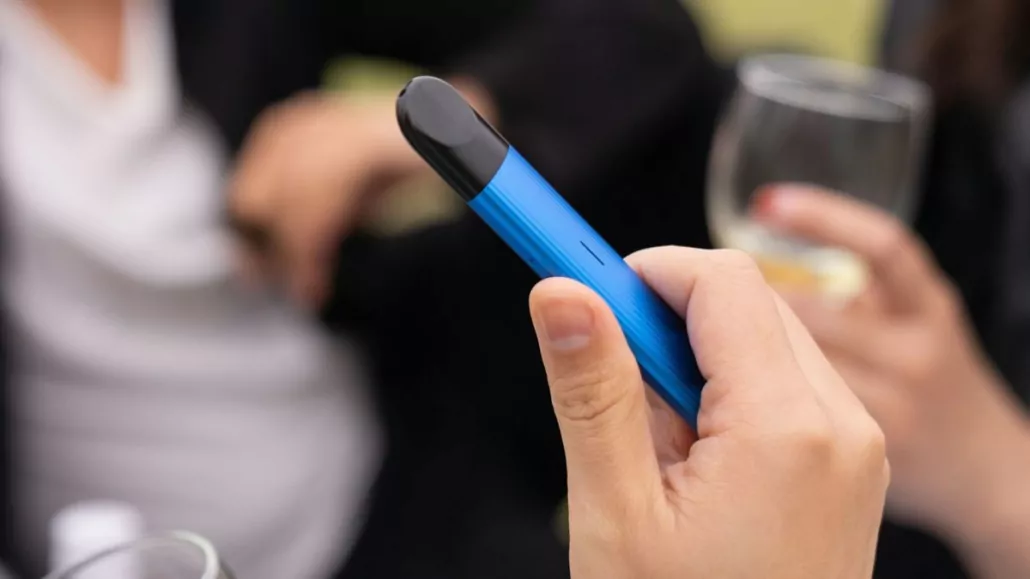
The Indonesian Vape Retailers Association (Arvindo) has officially instructed all member stores to halt sales of electronic cigarettes to individuals under 21. This self-regulatory move aims to support government efforts in protecting youth from nicotine access while advocating for science-based regulations that recognize vaping as a harm-reduction tool for adult smokers.
Key Takeaways:
- Strict Age Limit: Arvindo mandates a 21+ policy with required ID checks and signage.
- Youth Protection: The move targets the 7.4% of Indonesian smokers aged 10-18.
- Harm Reduction: Retailers urge the Health Ministry to view vaping as a cessation aid.
- Education Role: Vape shops are encouraged to educate consumers on smoke and tar risks.
The Indonesian Vape Retailers Association (Arvindo) has confirmed a mandatory prohibition on selling electronic cigarettes to customers under the age of 21. This development occurs amidst rising concerns over youth smoking rates in Indonesia, directly resulting in stricter self-imposed compliance measures for vape shops across the nation.
Arvindo Mandates 21+ Sales Policy
Fachmi Kurnia, chairman of Arvindo, announced the issuance of an official circular requiring all member stores to display “21+” signage and rigorously verify customer ages. “Retailers are also required to ask customers to show valid identification,” Kurnia stated, emphasizing the industry’s commitment to preventing underage access.
This initiative is supported by the Tar and Smoke Free Movement (Gebrak). Both organizations stress that alternative tobacco products are intended solely for adult smokers struggling to quit conventional cigarettes, not for children or adolescents.
Advocating for Science-Based Regulation
While tightening youth access, Arvindo is simultaneously urging policymakers to adopt a science-based approach to regulation. The association calls on the Health Ministry to recognize vaping’s potential as a harm-reduction tool, citing international precedents.
To support this stance, they reference a 2025 study published by the JAMA Network. The study, involving over 25,000 smokers in England, identified electronic cigarettes as the most popular cessation aid, accounting for 40.2% of quit attempts between 2023 and 2024.
The Context: Indonesia’s Youth Smoking Crisis
The urgency of these measures is underscored by alarming national statistics. Data from the Health Ministry’s 2023 National Health Survey estimates Indonesia has 70 million active smokers.
| Demographic | Statistic |
|---|---|
| Youth Smokers (10-18) | 7.4% of the total smoking population. |
| Students (13-15) | Smoking prevalence rose to 19.2% in 2019. |
| Largest Group | Adolescents aged 15–19, followed by children 10–14. |
Gebrak chairman Garindra Kartasasmita highlighted that vape shops must evolve beyond mere retail points. “Vape shops should not only sell products but also serve as partners in public education,” he said, focusing on informing consumers about the risks of tar and smoke versus alternative products.
- Read more: Indonesian Vape Industry Protests Jakarta’s Strict E-Cig Rules
- News reference: Vape Retailers Ban Sales to Under-21s

- Indonesia: Denpasar Updates Smoke-Free Bylaw to Tighten Vape Rules - October 20, 2026
- Teen Girls Surpass Boys in Vaping Rates, Reversing Historic Trends - October 20, 2026
- Alabama: Irondale Proposes Public Vaping Ban with Fines Reaching $200 - October 20, 2026
Related posts:
 Passed Alabama HB8 Bans Non-FDA Vapes from Convenience Stores
 UK C-Stores Lose £5M in First Week of Disposable Vape Ban
 How Many Puffs of Vape is Equal to 1 Cigarette?
 Czech Ministry of Health Seeks Compromise on Proposed E-Cigarette Flavor Ban Amid Growing Criticism
 Vietnam Proposes Fines Up to 5M VND for E-Cigarette Use

