
Scotland Smoking Ban 20th Anniversary: 96% Drop in Secondhand Smoke
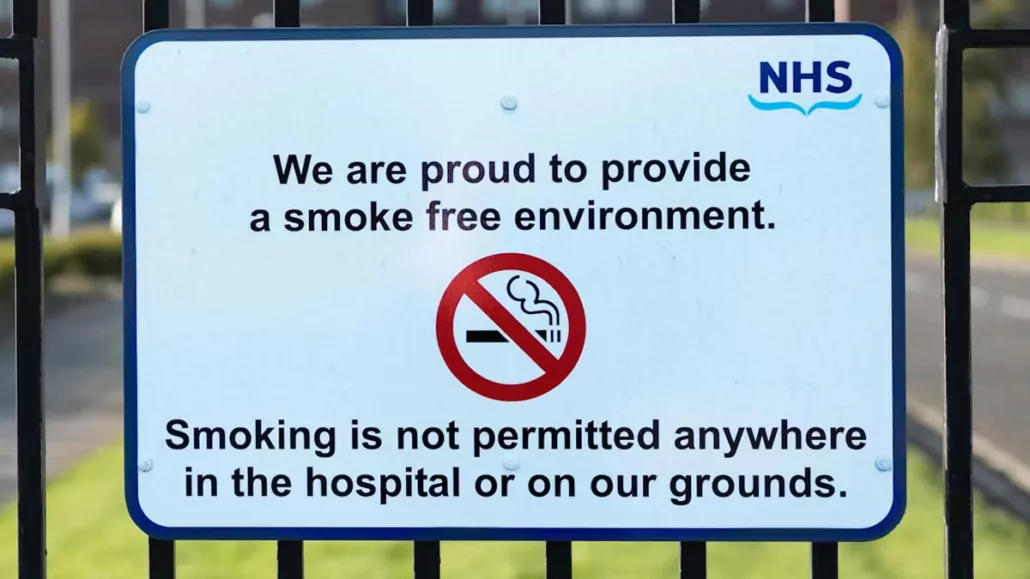
Two decades after Scotland became the first UK nation to ban indoor smoking, new research reveals a massive drop in secondhand smoke exposure—but warns that inequality gaps and outdoor risks remain unresolved.
A study published in Tobacco Induced Diseases confirms that exposure to secondhand tobacco smoke in Scotland has fallen by 96% since the 2006 ban. While 75% of non-smokers now breathe smoke-free air, nearly one in four adults are still exposed in unregulated settings, highlighting a persistent inequality gap in deprived communities.
The Legacy of the 2006 Smoking Ban
At 6am on a quiet Sunday morning 20 years ago, Scotland made history as the first UK nation to implement a comprehensive ban on smoking in enclosed public spaces. The Smoking, Health and Social Care (Scotland) Act 2005 fundamentally altered the country’s public health landscape, making it illegal to smoke inside bars, restaurants, workplaces, and public transport.
Despite initial lobbying for exemptions, the law was introduced without loopholes, leading to rapid and widespread adoption. The immediate health impacts were profound:
- Hospital admissions for heart attacks fell by 17%.
- Air quality in bars improved by 86%.
- Childhood asthma and glue ear cases saw significant reductions.
This seven-study evaluation program provided the robust evidence base that would later influence tobacco control policies globally.
Quantifying the 96% Reduction
A new analysis, utilizing data from the annual Scottish Health Survey, has quantified the long-term success of the ban. By analyzing saliva samples from approximately 6,000 participants to measure nicotine intake, researchers found that adult non-smokers today inhale 96% less nicotine than they did prior to 2006.
The cultural shift has been equally dramatic. Before the ban, seven out of eight non-smokers were regularly exposed to other people’s smoke. Today, that figure has dropped to fewer than one in four. Crucially, this behavioral change has extended into private spaces: the percentage of Scottish homes where smoking is permitted has more than halved since 2012, falling from 25% to under 10% in 2024.
The “Sting in the Tail”: Persistent Inequality
Despite these successes, the job is not finished. The study reveals that nearly one in four adult non-smokers are still exposed to secondhand smoke, a figure that has remained relatively static over the past decade. This exposure is now concentrated in specific, unregulated environments:
- Outdoor hospitality settings: Where workers and patrons congregate.
- Private homes: Particularly for healthcare workers providing in-home assistance.
- Deprived communities: A stark inequality gap has emerged.
The data highlights a troubling socio-economic divide. In the most affluent areas of Scotland, only 2% of households allow indoor smoking. In contrast, more than 20% of households in the most deprived postcodes still permit it. This inequality gap has effectively doubled since 2012, leaving the poorest communities disproportionately vulnerable to tobacco-related harm.
Unfinished Business: The Tobacco and Vapes Bill
As Scotland celebrates this 20-year milestone, policymakers are looking ahead to the next phase of tobacco control. The Tobacco and Vapes Bill is currently progressing through parliament, offering new powers to extend smoke-free zones to outdoor settings. Consultations are underway to potentially ban smoking in:
- Playgrounds and school entrances.
- Outdoor hospitality venues.
- Hospital grounds.
Tackling the remaining pockets of exposure—particularly in private homes and outdoor workspaces—is now the priority. The goal is to close the inequality gap and ensure that the final 25% of the population can also breathe smoke-free air.
A Public Health Triumph with Work Remaining
The 2006 smoking ban is widely regarded as one of the most important public health achievements of the 21st century. It normalized smoke-free environments and saved countless lives from heart disease and stroke. However, the static exposure rates of the last decade serve as a reminder that legislation alone cannot solve deep-rooted social inequalities. The next 20 years must focus on targeted interventions to protect the most vulnerable, ensuring that the benefits of a smoke-free Scotland are shared by all.

- Indonesia: Denpasar Updates Smoke-Free Bylaw to Tighten Vape Rules - October 20, 2026
- Teen Girls Surpass Boys in Vaping Rates, Reversing Historic Trends - October 20, 2026
- Alabama: Irondale Proposes Public Vaping Ban with Fines Reaching $200 - October 20, 2026
Related posts:
 Vape Flavor Bans May Increase Smoking in Young Adults: Study
 St. Kitts & Nevis Smoking Ban: $500 Fines for Public Vaping
 Kentucky Upholds Law Restricts Vaping Product Sales, Lawsuit Dismissed
 Norway Ban on Flavored E-cigarettes and Standardized Packaging
 UK Supermarkets Implement Varying Policies on Vape Sales Ahead of Government Ban
 JUUL Legal Battles and Settlements: New Class Actions and Funding Updates

