
South Korea Regulates Synthetic Nicotine as Tobacco 2026
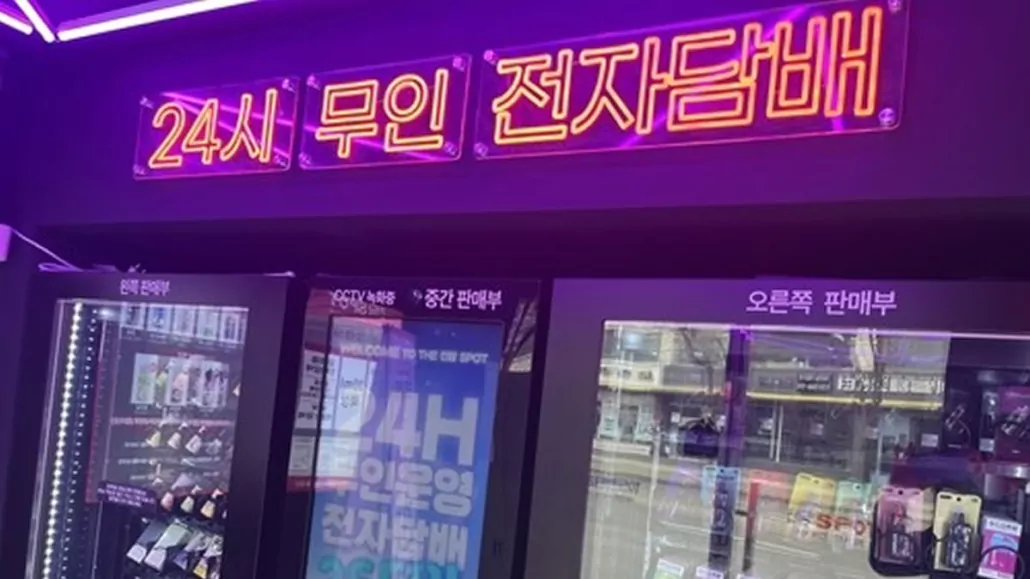
South Korea has amended its Tobacco Business Act to legally classify synthetic nicotine as tobacco, effective April 24, 2025. This closes a long-standing regulatory loophole, subjecting these products to the same taxes, sales restrictions, and advertising bans as traditional cigarettes, significantly impacting their price and availability.
Key Takeaways:
- Legal Definition: Synthetic nicotine is now legally “tobacco.”
- Tax Impact: A 30ml bottle of e-liquid will face approx. 54,000 won ($39) in taxes.
- Sales Restrictions: Online sales are banned; retail distance rules apply.
- Youth Protection: Measures aim to curb youth access and unmanned shop proliferation.
Synthetic nicotine regulation refers to the legal classification of lab-made nicotine as a tobacco product, a move South Korea has taken to close a legislative gap that existed for nearly a decade. The National Assembly passed an amendment to the Tobacco Business Act, expanding the definition of tobacco from just “tobacco leaves” to include nicotine derived from stems, roots, or synthetic sources.
Ending the “Legislative Vacuum”
For years, synthetic nicotine e-cigarettes operated in a regulatory grey area in South Korea. Because the nicotine was chemically manufactured rather than extracted from tobacco leaves, these products were classified as industrial goods rather than tobacco.
This classification allowed for:
- Online Sales: Unrestricted sales over the internet.
- Aggressive Promotion: Marketing tactics that bypassed tobacco advertising bans.
- Unmanned Stores: A rapid increase in automated vape shops, raising concerns about youth access.
- Tax Avoidance: Evasion of tobacco consumption taxes, with an estimated 3.3 trillion won ($2.4 billion USD) in uncollected taxes over the past four years.
New Regulations and Market Impact
With the amendment effective from April 24, synthetic nicotine products will now face the same stringent regulations as traditional tobacco. This includes mandatory health warning labels, advertising restrictions, and a complete ban on online sales.
Price Competitiveness: The most immediate impact will be on price. Previously, synthetic nicotine products were cheaper due to the lack of taxes. Under the new law, taxes including tobacco consumption tax, local education tax, and individual consumption tax will apply.
| Item | Estimated Tax Impact |
|---|---|
| Tax per 1ml | Approx. 1,800 won |
| Tax per 30ml Bottle | Approx. 54,000 won ($39 USD) |
Industry insiders predict that this tax burden will eliminate the price advantage synthetic nicotine held over natural nicotine products, likely leading to a decrease in consumer demand. Additionally, the application of the 100-meter distance rule between tobacco retailers is expected to force the closure of many unmanned vape shops located in residential and commercial areas.

- Indonesia: Denpasar Updates Smoke-Free Bylaw to Tighten Vape Rules - October 20, 2026
- Teen Girls Surpass Boys in Vaping Rates, Reversing Historic Trends - October 20, 2026
- Alabama: Irondale Proposes Public Vaping Ban with Fines Reaching $200 - October 20, 2026
Related posts:
 South Korea’s Synthetic Nicotine Regulation Leaves E-Cigarette Industry Anxious
 South Korea’s Synthetic Nicotine Regulation Bill Stalls Amid Opposition
 South Korea to Regulate Synthetic Nicotine as Tobacco Product
 South Korea’s Synthetic Nicotine Cigarette Regulation Delayed
 South Korea Debates Regulating Synthetic Nicotine Cigarettes
South Korea’s Synthetic Nicotine Tax Evasion Scheme
South Korea Debates Regulating Synthetic Nicotine Cigarettes
South Korea’s Synthetic Nicotine Tax Evasion Scheme

