
UK Vape Tax Explained: Impact on Prices, Businesses & Smokers
The United Kingdom’s approach to regulating nicotine products is undergoing a significant shift, marked by the upcoming implementation of a new excise duty on vaping liquids. Effective from October 1, 2026, the Vaping Products Duty will impose a flat rate of £2.20 per 10ml of e-liquid. When combined with the standard 20% VAT, this translates to a retail price increase of approximately £2.64 per 10ml bottle. This new tax is poised to reshape the market, impacting everything from shop pricing and supply chains to consumer behavior and the broader public health strategy surrounding smoking cessation and youth nicotine use.
Understanding the New Vaping Products Duty
The Vaping Products Duty, as outlined in government proposals, will apply to all e-liquids, regardless of their nicotine content. This includes nicotine-containing liquids, nicotine-free liquids, shortfills (larger bottles intended to be diluted with nicotine shots), nicotine salts, and pre-filled pods. The tax is structured as a flat rate of £2.20 per 10ml of e-liquid, meaning the nicotine strength or flavor profile does not alter the duty amount. This flat rate is applied at the wholesale level but is expected to be passed on to consumers, pushing prices up considerably, especially for heavy vapers or those purchasing larger bottles.
For example, a 60ml bottle of e-liquid, which might contain two 30ml bottles or six 10ml bottles depending on its original packaging, would incur a new duty of £13.20 (6 x £2.20) alone, before VAT. This substantial increase effectively pushes the cost of vaping products closer to the price point of traditional cigarettes, a move that has drawn criticism for potentially undermining the harm reduction benefits vaping offers to adult smokers.
The Government’s Rationale: A Multifaceted Approach
The introduction of this duty is driven by several key government objectives:
- Reducing Youth Vaping: A primary concern is the alarming rise in vaping among young people. Policymakers aim to make these products less accessible and appealing to minors by increasing their cost. The government’s broader strategy, including the ban on disposable vapes and potential future restrictions on flavors and marketing, is part of an ambition to create a “smoke-free generation.”
- Generating Revenue for Public Health: The revenue generated from the vaping duty is earmarked for health initiatives, including funding for the National Health Service (NHS) and smoking cessation programs. This aims to offset the significant healthcare costs associated with smoking-related illnesses.
- Harmonizing Taxes and Addressing Market Disparities: The tax aims to create a more equitable tax structure across different nicotine products, bringing vaping into line with the taxation applied to traditional tobacco.
However, critics argue that this approach sends mixed messages, promoting vaping as a cessation tool for smokers while simultaneously making it more expensive, potentially counteracting its intended benefit as a less harmful alternative.
Impact on Small Businesses: A Looming Threat
The new vaping duty poses significant challenges for small, independent vape retailers across the UK. Unlike large manufacturers or distributors who may have the scale to negotiate better deals or absorb some of the increased costs, smaller shops often operate on thinner margins.
- Price Shock for Consumers: The substantial price increase will directly impact consumers, particularly heavy vapers or those on tighter budgets. This financial pressure could remove a key incentive for smokers to switch to vaping as a cheaper alternative to cigarettes.
- Reduced Product Variety: Faced with higher taxes and potentially reduced consumer demand for more expensive legal products, independent retailers may be forced to cut back on the variety of e-liquids, hardware, and replacement parts they stock. This limits consumer choice and could make it harder for smokers to find a suitable vaping product to aid their cessation efforts.
- Risk of Business Closure: For many small vape shops, e-liquids and accessories represent a significant portion of their revenue. A sudden increase in costs and potential decrease in sales could threaten their viability, leading to job losses and a reduction in specialized retail outlets that offer advice and support to former smokers.
Many vape shop owners have expressed concerns, acknowledging that tax increases were anticipated but questioning the flat rate regardless of nicotine strength or product type. They suggest that lower nicotine strengths should perhaps face lower tax burdens. The worry is palpable: customers may be priced out, potentially returning to more harmful traditional cigarettes or seeking out unregulated black market products.
Consumer Concerns: Affordability and the Risk of Relapse
Millions of adult smokers have turned to vaping as a way to reduce their harm exposure and as a tool to quit smoking, often citing cost and perceived health benefits as primary motivators. The new tax directly impacts these consumers:
- Financial Pressure: Heavy vapers or those who are budget-conscious will face significant financial strain. The narrowing price gap between vaping and smoking could remove a crucial financial incentive for smokers to make the switch or for vapers to remain abstinent from traditional tobacco.
- Health Trade-Offs: If the cost of legal vaping products becomes prohibitive, there’s a risk that individuals who successfully quit smoking by switching to vapes might relapse to combustible cigarettes, which are demonstrably more harmful. This would undermine years of public health progress.
- The Black Market Threat: High taxes and strict regulations on legal products can inadvertently fuel the growth of illicit markets. Untested, unregulated, and potentially unsafe products could become more accessible, posing new risks to public health and complicating enforcement efforts.
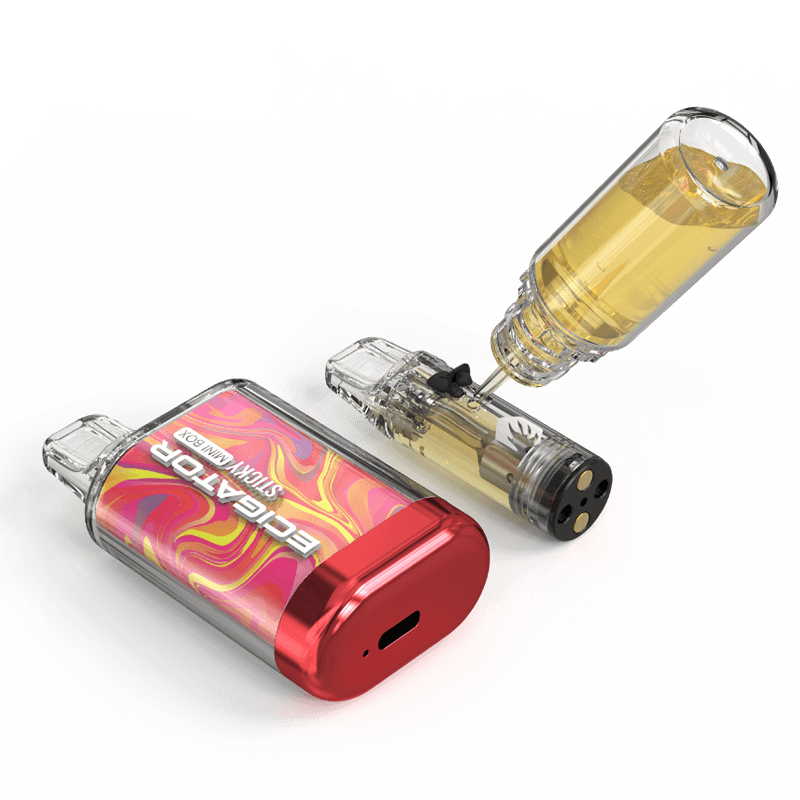
Ecigator Sticky Open Pod Kit (Box)
The Sticky Open Pod Kit is a contemporary vaping device that combines functionality with fashion. This kit is designed with a box-style form factor, offering a compact and stylish appearance that’s ideal for vaping enthusiasts on the move.
At the heart of this kit is a Refillable Open Pod System, with a capacity of 2ml, perfect for accommodating a variety of e-liquids. The pod is equipped with a high-quality Mesh Coil that not only ensures a rich and flavorful vaping experience but also boasts durability for up to 8 Refills.
Industry and Policy Response: Calls for Balance and Evidence
The vaping industry, represented by trade associations like the UK Vaping Industry Association (UKVIA), is actively engaged in discussions with the government. While acknowledging the need for regulation, particularly concerning youth access and environmental impact, the industry advocates for a balanced approach.
- Focus on Enforcement: They argue that stricter enforcement of existing laws, such as age verification at the point of sale and cracking down on illegal online sales and illicit products, should be prioritized over broad taxation that penalizes adult users.
- Support for Small Businesses: Trade groups are urging the government to consider the impact on small and medium-sized enterprises (SMEs) within the vape sector, which are vital for local employment and the economy.
- Evidence-Based Policy: The industry emphasizes that regulations should be guided by scientific evidence, particularly regarding harm reduction for adult smokers. They suggest that while controlling youth access is paramount, policies should not alienate adult smokers who have successfully switched to vaping.
- Promoting Reusables: The industry generally supports the shift towards reusable and refillable devices, recognizing their environmental benefits and aligning with regulatory trends.
What Happens Next? Navigating the Transition
The implementation of the Vaping Products Duty by October 2026 requires significant adaptation from all stakeholders:
- Retailer Compliance: Shops must register with HMRC, adhere to new duty stamp packaging laws, update their record-keeping and reporting systems, and be vigilant against the potential rise of black market activity.
- Consumer Adaptation: Vapers will need to adjust to higher prices and potentially altered product availability, possibly exploring refillable options or different nicotine strengths.
- Industry Advocacy: Trade associations will continue to lobby for modifications or relief measures, advocating for policies that balance public health with the viability of legitimate businesses and the principles of tobacco harm reduction.
The next twelve months will be critical in determining the long-term outcomes of these policies, impacting both public health goals related to smoking cessation and the survival of the UK’s independent vape retail sector. The government’s approach will need to demonstrate prudence, considering the delicate balance between revenue generation, environmental protection, and supporting adult smokers in their efforts to quit combustible tobacco.

- Indonesia: Denpasar Updates Smoke-Free Bylaw to Tighten Vape Rules - October 20, 2026
- Teen Girls Surpass Boys in Vaping Rates, Reversing Historic Trends - October 20, 2026
- Alabama: Irondale Proposes Public Vaping Ban with Fines Reaching $200 - October 20, 2026
Related posts:
 Polish Government to Introduce Excise Tax on Reusable E-Cigarettes and Nicotine Pouches
 Illicit Vapes Enforcement Squad: A Bold Move to Tackle Underage Vaping and Illegal Sales
 Portugal Joins EU Pushback Against New Vape & Tobacco Tax
 New Zealand Bans Nicotine Pouches in Smokefree Bill
 How to Choose the Right Nicotine Strengths to Vape

