Most U.S. Parents Don’t Know the Legal Age for Vapes is 21
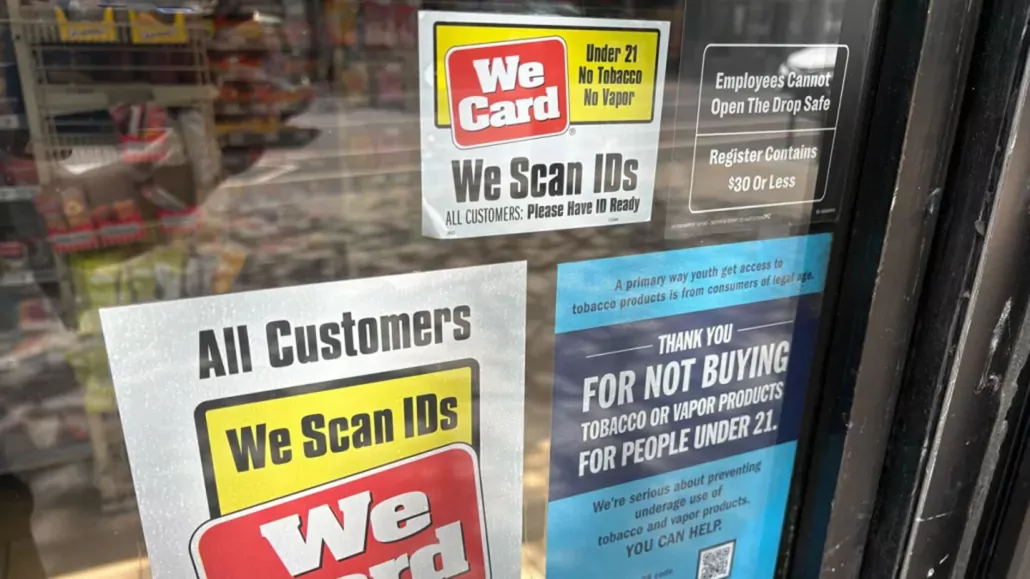
A recent Stanford University survey reveals that less than half of U.S. parents know the federal legal age to purchase tobacco products, including vapes and nicotine pouches, was raised to 21 in 2019.
- Widespread Unawareness: Only 47% of surveyed parents correctly identified 21 as the legal age for buying vapes and nicotine pouches.
- Alcohol Comparison: In stark contrast, 82% of parents knew the legal purchasing age for alcohol is 21.
- Call for Education: Researchers emphasize the need for targeted “Tobacco 21” messaging campaigns to prompt preventive discussions within families.
Stanford University researchers have found that a majority of U.S. parents are unaware that the federal legal age to purchase tobacco and vaping products is 21. This widespread knowledge gap, published in Pediatrics, highlights a critical need for improved public awareness campaigns to curb adolescent nicotine dependency.
In 2019, the U.S. federal government officially raised the minimum age for buying cigarettes, vapes, nicotine pouches, and other tobacco products from 18 to 21. However, a recent survey of over 2,000 parents and caregivers of preteens and teens shows this policy shift largely went unnoticed by families.
The study analyzed data from an online survey where parents were asked to identify the legal purchasing age from a range of 16 to 25, or select “don’t know.” The results, published on April 14, highlighted a significant disparity in parental knowledge when comparing tobacco products to alcohol.
| Product Category | Parents Who Correctly Identified Age 21 |
|---|---|
| Alcohol | 82% |
| Cigarettes | 48% |
| Vapes & Nicotine Pouches | 47% |
- Read more: Legal Age for Vaping: What Parents Must Know
The lack of awareness regarding vapes and nicotine pouches is particularly concerning to health officials, as these currently rank as the first and second most popular tobacco products among middle and high school students.
The “Tobacco 21” movement originated in Needham, Massachusetts, roughly two decades ago. Following its success in reducing high school smoking rates locally, the policy gradually spread across various cities and states before becoming federal law. Studies have consistently shown that these laws reduce the use of cigarettes, cigars, and vapes among 18 to 20-year-olds.
Research supporting the age increase indicates that individuals who start smoking between 18 and 20 are significantly more likely to develop severe nicotine dependence and struggle with quitting compared to those who start at 21 or older.
While most states have aligned their local policies with the 2019 federal mandate, enforcement remains limited in the few states that have not yet updated their laws. Researchers conclude that proactive messaging is essential to bridge this knowledge gap and encourage preventive communication at home.

- Indonesia: Denpasar Updates Smoke-Free Bylaw to Tighten Vape Rules - October 20, 2026
- Teen Girls Surpass Boys in Vaping Rates, Reversing Historic Trends - October 20, 2026
- Alabama: Irondale Proposes Public Vaping Ban with Fines Reaching $200 - October 20, 2026