
Vaping in 2026: How Research and Consumer Demand Converge
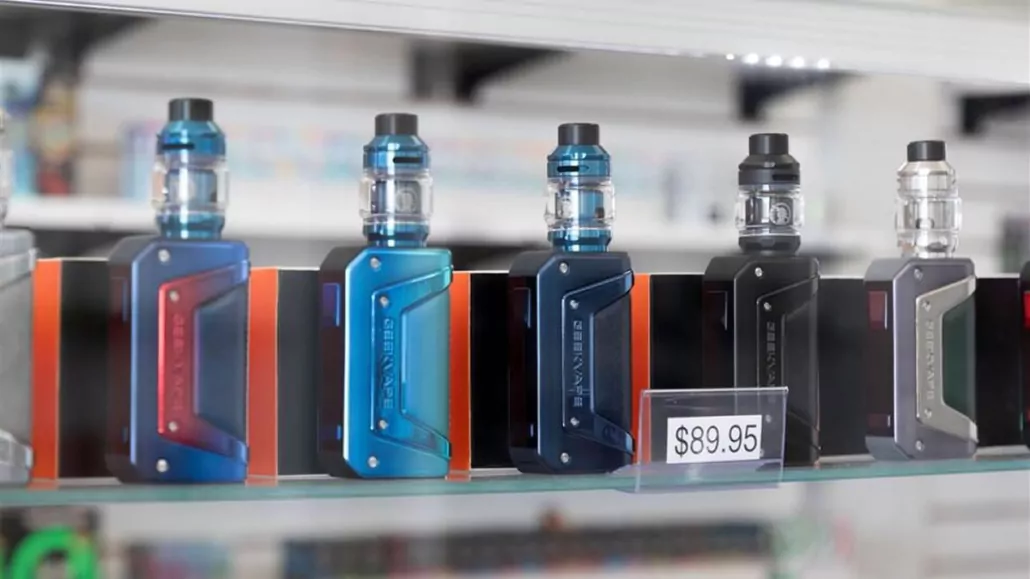
A major shift in the global vaping market has materialized in 2026, driven not by slow-moving regulatory bodies, but by a sudden surge in consumer demand for product transparency. For years, scientific research and consumer behavior operated on separate tracks. Today, those tracks are converging as adult users actively reject unverified products, forcing manufacturers to adopt rigorous quality controls.
This analysis examines where these trends meet, outlining the current state of scientific evidence, consumer purchasing behavior, and the practical implications for clinicians and adult smokers.
What Vaping Research Has Established in 2026
The scientific literature on vaping is vast but unevenly distributed. The strongest evidence focuses on short-term respiratory effects in adults, comparative carcinogen exposure, and smoking cessation rates.
Systematic reviews from Cochrane provide high-certainty evidence that nicotine-containing e-cigarettes increase smoking cessation rates compared to traditional nicotine replacement therapies (NRT) or behavioral support alone. This finding has remained consistent across multiple review updates.
However, long-term data remains limited. Researchers still face gaps regarding cardiovascular and pulmonary outcomes beyond five years, the effects of newer device formulations, and the inhalation chemistry of modern disposable products. These gaps do not invalidate existing cessation data; rather, they highlight the need for precise clinical guidance and continued long-term observation.
The 2026 Consumer Market and the Rise of Disposables
The consumer landscape has changed. While open-system refillable vapes and closed-system pods previously dominated the market, data from the Centers for Disease Control and Prevention (CDC) shows that disposable devices now lead consumer use in the United States.
This shift is driven by commercial factors: lower initial costs, ease of use, flavor variety, and widespread retail availability.
However, the defining market trend of 2026 is not the device format itself, but the criteria consumers use to choose brands. Buyers are actively demanding third-party lab testing, ingredient disclosure, batch transparency, and clear safety labeling—features that the early e-cigarette market rarely provided.
What Vape Users Demand: Data on Trust Signals
Consumer purchasing behavior shows a clear preference for verified safety. A study evaluating trust signals among 1,000 U.S. vape users highlights how safety concerns now dictate brand loyalty.
According to the data, a majority of users are willing to pay a premium for verified products, and an overwhelming majority would abandon a brand over safety issues. Surprisingly, flavor—historically the primary driver of vape sales—has declined in importance. More than half of those surveyed would abandon their favorite flavor if it were linked to a health risk.
| Consumer Metric | Percentage / Finding | Impact on Market |
|---|---|---|
| Willingness to pay more for safety | Over 50% of users | Creates premium pricing opportunities for transparent brands. |
| Brand switching over safety concerns | 87% of users | Causes rapid loss of market share for non-compliant manufacturers. |
| Flavor sacrifice for health safety | Over 50% of users | Reduces the commercial influence of complex flavor profiles. |
| Primary trust signals | Independent lab testing, ingredient lists, public safety data | Drives voluntary brand disclosures ahead of regulatory mandates. |
How Brands Are Responding to Market Pressure
Vape manufacturers are adjusting to these consumer demands. The fastest-growing brands in the disposable segment are those that publish independent lab results, provide batch numbers linked to quality control documentation, and clearly label nicotine concentrations.
Conversely, brands that fail to provide this information are losing market share. This market correction mirrors previous cycles observed in the dietary supplement and legal cannabis industries, where consumer trust deficits eventually forced low-quality products out of the market while rewarding transparent operators.
Because the FDA’s premarket review pathway remains slow, consumer purchasing behavior is doing the heavy lifting—effectively policing the market by starving non-transparent brands of revenue.
Clinical Implications and Harm Reduction
This market shift changes how healthcare providers discuss vaping with adult smokers. Because the cessation evidence is robust, clinicians can confidently include e-cigarettes as a harm-reduction option alongside traditional cessation aids.
However, the public health message for non-smokers and adolescents remains unchanged: avoid these products entirely. Harm reduction applies strictly to current smokers transitioning away from combustible tobacco, not to the general public.
By aligning clinical evidence with consumer demand for transparency, the vaping landscape in 2026 offers a clearer, more documented path for adult smokers seeking to quit. The gap between research and retail reality is narrowing, driven by a consumer base that refuses to buy in the dark.

- Indonesia: Denpasar Updates Smoke-Free Bylaw to Tighten Vape Rules - October 20, 2026
- Teen Girls Surpass Boys in Vaping Rates, Reversing Historic Trends - October 20, 2026
- Alabama: Irondale Proposes Public Vaping Ban with Fines Reaching $200 - October 20, 2026
Related posts:
 Malaysia’s Tobacco Display Ban to Affect Over 51,000 Shops
 Nashville Advances Stricter Regulations for Vape & Cigarette Shops
 Illinois Prohibits Indoor Vaping Statewide From January
 Can Dentists Tell If You Vape? Oral Health Signs & Detection
 Latvia Considers Stricter Vaping Regulations in Public Spaces

