
Can Nicotine Pouches Help Smokers Quit? Why Experts Oppose Over-Regulation
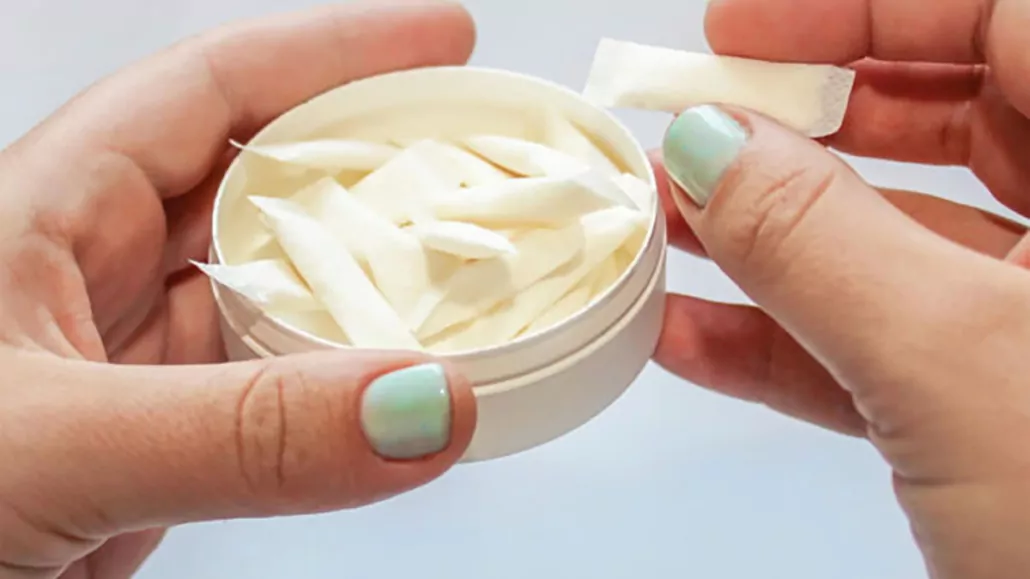
Independent public health experts and scientists are urging governments to resist overly restrictive regulations on nicotine pouches, pointing to new evidence that these smoke-free alternatives significantly aid smoking cessation. This warning comes as debate intensifies globally over how to regulate non-combustible nicotine products.
A recent study published in JAMA Network Open highlights the potential of these products. Lead researcher Cristine Delnevo, from the Rutgers Institute for Nicotine and Tobacco Studies, noted that for smokers who do not want to stop using nicotine, switching completely to nicotine pouches is “likely good for public health” as it moves them down the risk continuum.
Nicotine pouches offer a discreet, combustion-free experience. Users simply place a small, plant-fiber pouch between their upper lip and gum to absorb nicotine without inhaling smoke or vapor.
The WHO Stance vs. Scientific Evidence
The World Health Organization (WHO) recently raised concerns over the rapid growth of the nicotine pouch market. Citing a global sales increase of over 50 percent, the WHO warned of aggressive marketing to youth through sweet flavors and social media influencers, urging governments to implement strict regulations.
However, public health researchers argue that the WHO’s stance overlooks the critical role of tobacco harm reduction. Dr. Jamie Hartmann-Boyce, an Assistant Professor at the University of Massachusetts Amherst, emphasized that nicotine itself is not the ingredient in cigarettes that causes cancer. Moving smokers to a non-combustible form of nicotine inherently reduces health risks.
Similarly, Prof. Caitlin Notley of the University of East Anglia described the WHO report as “not quite accurate.” Her team’s qualitative research, which analyzed over 20,000 public discussions, found that users frequently credit nicotine pouches with helping them transition away from both smoking and vaping.
Balancing Regulation and Public Health
To understand the safety and usage differences, experts advise looking at how nicotine pouches compare to traditional cigarettes:
| Feature | Combustible Cigarettes | Nicotine Pouches |
|---|---|---|
| Combustion / Smoke | Yes (Produces toxic tar and carbon monoxide) | No (Combustion-free) |
| Inhalation | Yes (Directly into the lungs) | No (Absorbed through oral mucosals) |
| Relative Health Risk | Extremely High (Primary cause of lung cancer) | Substantially Lower (Eliminates smoke-related toxins) |
| Primary Use Case | Recreational smoking | Smoking cessation and harm reduction |
In the Philippines, nicotine pouches are currently regulated as consumer products under the Vaporized Nicotine and Non-Nicotine Products Regulation Act (Republic Act No. 11900). Meanwhile, a survey in Spain by international consultancy Dynata revealed that two-thirds of pouch users adopted the product specifically to quit smoking.
The Coalition of Asia Pacific Tobacco Harm Reduction Advocates (CAPHRA) warned that excessive restrictions could have devastating consequences. CAPHRA Executive Coordinator Nancy Loucas stated that since cigarettes remain the most dangerous nicotine product on the market, making lower-risk alternatives harder to access “risks protecting smoking rather than reducing harm.”
Dr. Harry Tattan-Birch, a Senior Research Fellow at University College London, concluded that governments must regulate products with relative harms in mind, avoiding outright bans on products that do not damage the lungs.

- Ukraine Postpones Digital e-Excise Rollout to July 2027 - October 16, 2026
- Italy Raises Prices on Rolling Tobacco, Heated Sticks, and Cigars - October 15, 2026
- German Committee Approves Tobacco Tax Hike, Raising Cigarette Prices by €4 by 2030 - October 15, 2026
Related posts:
 Worcestershire Smoking Rates Drop by a Third in One Year
 VAPORESSO XROS PRO 2 Review: The Best Open Pod Yet?
 Nicotine Toothpicks: German Experts Warn of Hidden Addiction Risk
 Mexico’s Vape Ban Fails to Curb Usage but Incubates Black Market
 What is Disposable Vape and How it Works
 Study Supports Providing Free Vapes to Help Smokers Quit

