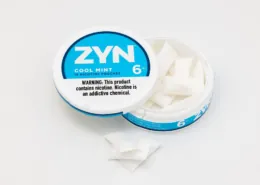
New York’s $260B NY Budget: Wall Street Bonuses & 75% Zyn Tax
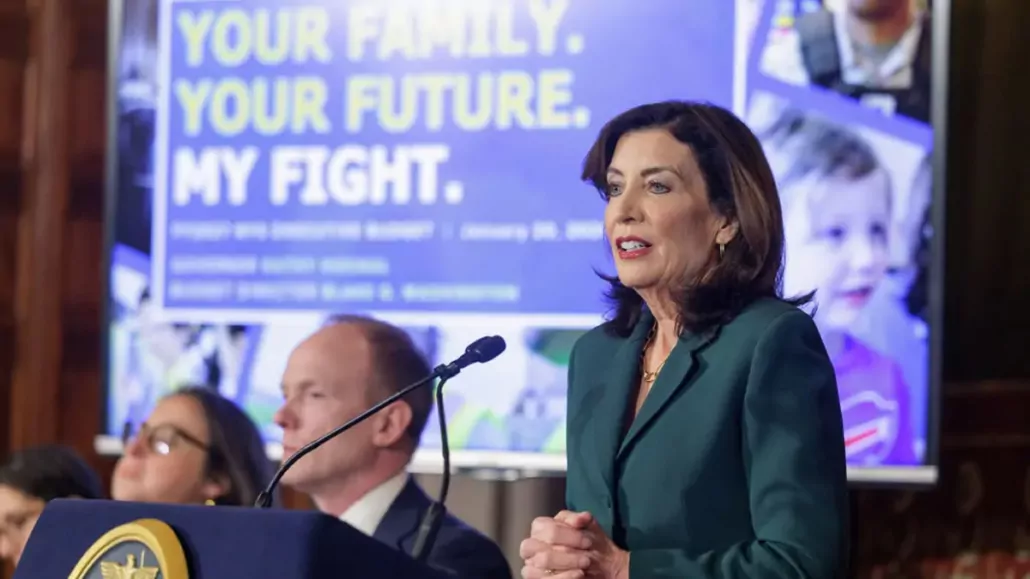
New York Governor Kathy Hochul has unveiled a record-breaking $260 billion budget proposal for the 2027 fiscal year, relying heavily on an “unexpected” surge in Wall Street bonuses to fund ambitious social programs without raising income taxes. However, the plan introduces a controversial revenue stream: a massive 75% wholesale tax on alternative nicotine products like Zyn pouches. While Hochul frames the budget as “disciplined,” critics argue it leans too heavily on volatile stock market gains while punishing users of harm-reduction nicotine alternatives.
Key Takeaways
- Wall Street Windfall: The budget banks on a 25% rise in finance sector bonuses to cover a $4.5 billion childcare expansion.
- Zyn Tax Hike: Nicotine pouches will face the same 75% wholesale tax as cigarettes, projected to generate $44 million annually.
- Fiscal Tightrope: Hochul rejects “tax the rich” calls from NYC Mayor Zohran Mamdani, extending the 7.25% corporate tax rate instead.
- Public Health Clash: Experts warn that taxing pouches like cigarettes discourages smokers from switching to less harmful alternatives.
The Wall Street Gamble: Funding Social Programs
Tracking the 2027 revenue projections shows that New York’s fiscal health is increasingly tethered to the stock market’s performance. Budget Director Blake Washington confirmed that tax revenue projections have been revised upward by $5.7 billion, driven largely by an AI-fueled market boom and fat executive bonuses. This windfall allows Hochul to fund a significant portion of Mayor Mamdani’s universal childcare agenda without conceding to his demands for higher taxes on the wealthy.
However, fiscal watchdogs like the Citizens Budget Commission warn this strategy is risky. President Andrew Rein cautioned that while the budget avoids immediate tax hikes, it could fuel a future $15 billion shortfall if the market cools, leaving the state with high recurring expenses and shrinking revenues.
The Zyn Tax Controversy: Health vs. Revenue
Examining the public health implications reveals a sharp divide over the new 75% tax on nicotine pouches. Hochul’s administration treats Zyn and similar products as equivalent to combustible tobacco for tax purposes. Philip Morris, the manufacturer of Zyn, argues this policy is counterproductive, noting that 1.4 million New Yorkers still smoke cigarettes and need affordable, less harmful alternatives.
Independent experts agree. Cristine Delnevo of Rutgers University argues that “tax policy should reflect relative risk,” suggesting that taxing pouches at the same rate as cigarettes undermines harm reduction. Former ATF official Richard Marianos adds that without affordable alternatives, the state risks fueling illicit markets rather than curbing addiction.
Comparison Matrix: Revenue Sources & Risks
The budget balances high-risk revenue streams against targeted tax hikes.
| Revenue Source | Projected Impact | Risk Factor |
|---|---|---|
| Wall Street Bonuses | +$5.7 Billion (Tax Revenue) | High Volatility (Market Dependent) |
| Zyn/Nicotine Tax | +$44 Million (Annual) | Public Health (Discourages quitting smoking) |
| Corporate Tax | Extends 7.25% Rate | Business Flight (High cost of operating) |
Will Zyn prices go up in New York?
Yes. If the budget passes as proposed, the 75% wholesale tax will likely be passed on to consumers, significantly increasing the retail price of nicotine pouches starting April 1.
- News source: Kathy Hochul pushes to tax ZYN, other nicotine products like cigarettes— but critics are fuming

- Indonesia: Denpasar Updates Smoke-Free Bylaw to Tighten Vape Rules - October 20, 2026
- Teen Girls Surpass Boys in Vaping Rates, Reversing Historic Trends - October 20, 2026
- Alabama: Irondale Proposes Public Vaping Ban with Fines Reaching $200 - October 20, 2026