The Shift Toward Sustainable Pre-Roll Packaging in the Cannabis Industry
As cannabis markets mature across North America and beyond, packaging waste has emerged as one of the industry’s most visible environmental challenges. Mountains of single-use plastics, non-recyclable composites, and over-engineered containers now accompany a product many consumers associate with natural wellness. This contradiction hasn’t gone unnoticed. A growing segment of cannabis buyers—particularly younger demographics—now prioritize sustainability when choosing between brands, pushing manufacturers to rethink how they package pre-rolls.
The evolution of pre roll packaging reflects broader shifts in consumer expectations and regulatory frameworks. What began as purely functional protection has transformed into a complex balance of compliance, branding, and environmental responsibility. Companies that navigate this transition successfully stand to capture market share from competitors still relying on conventional materials.
Why Traditional Cannabis Packaging Falls Short
The cannabis industry inherited packaging practices from pharmaceuticals and tobacco—industries not known for environmental leadership. Early pre-roll containers prioritized child resistance and product protection above all else, resulting in bulky plastic tubes and multi-material composites that recycling facilities couldn’t process.
The global cannabis packaging market generates substantial waste annually, with traditional materials contributing to landfill accumulation and microplastic pollution. These materials persist in ecosystems for decades, breaking down into smaller particles that contaminate soil and water systems.
The environmental cost extends beyond disposal. Conventional plastic production relies on petroleum extraction and energy-intensive manufacturing processes. When cannabis brands use virgin plastics for single-use packaging, they’re contributing to carbon emissions at every stage—from raw material extraction through manufacturing and eventual disposal.
The Business Case for Sustainable Pre Roll Packaging
Environmental responsibility increasingly drives purchasing decisions in cannabis markets. A Nielsen study found that 73% of global consumers would definitely or probably change their consumption habits to reduce environmental impact, with even higher percentages among younger buyers who dominate cannabis demographics.
This consumer preference translates directly to competitive advantage. Brands adopting eco-friendly pre roll packaging report several measurable benefits:
- Enhanced Brand Perception: Sustainable packaging signals corporate values that resonate with environmentally conscious consumers, building emotional connections beyond product quality.
- Regulatory Preparedness: As jurisdictions implement stricter packaging regulations, early adopters avoid costly redesigns and potential compliance penalties.
- Operational Efficiency: Many sustainable materials—particularly minimalist designs using recycled paper—reduce material costs while maintaining product protection.
- Media Coverage: Sustainability initiatives generate positive press coverage, providing marketing value that extends beyond paid advertising.
The financial argument strengthens as sustainable materials achieve price parity with conventional options. Economies of scale in recycled paper and bioplastic production have narrowed cost gaps that once deterred smaller brands from making the switch.
Material Innovations Reshaping Pre Roll Tubes
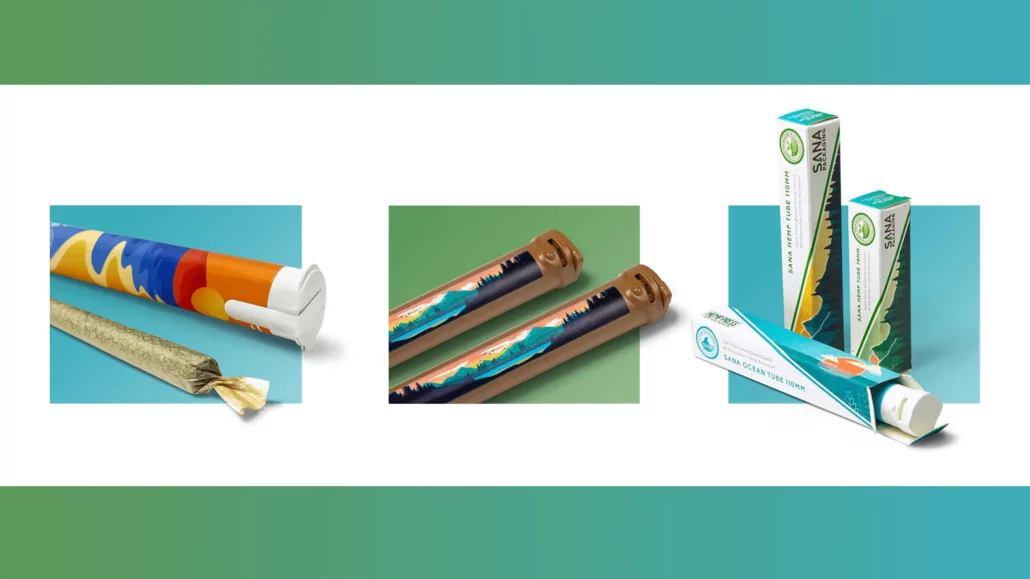
Pre roll tubes have undergone significant material evolution as manufacturers develop alternatives to petroleum-based plastics. These cylindrical containers remain popular for their protective qualities and portability, but the materials inside have changed dramatically.
Modern sustainable pre roll tubes utilize several innovative materials:
- Hemp Plastic Composites: Derived from cannabis industry byproducts, these materials create a closed-loop system where cultivation waste becomes packaging feedstock.
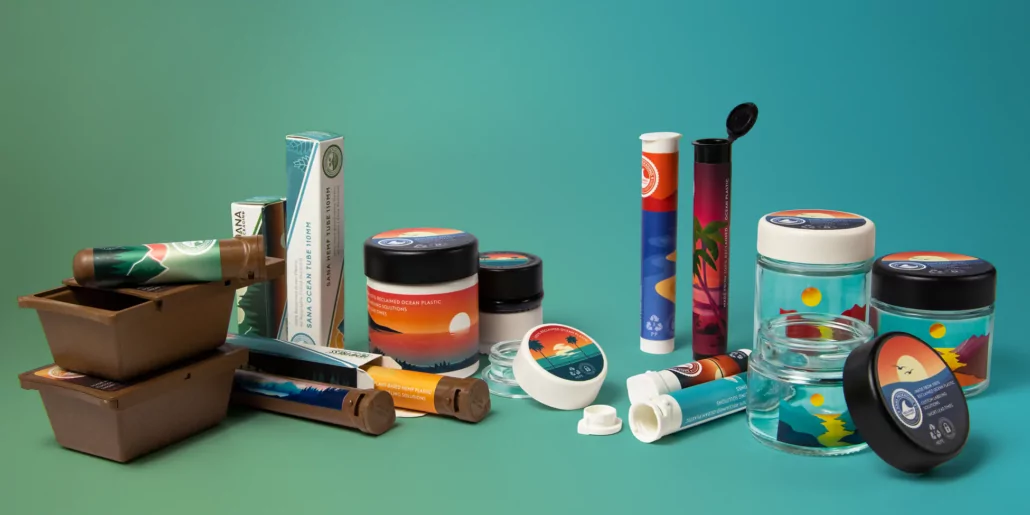
- Recycled Ocean Plastic: Some manufacturers source plastic recovered from marine environments, addressing pollution while creating functional packaging.
- Mushroom-Based Materials: Mycelium packaging grows into custom shapes using agricultural waste, then biodegrades completely after disposal.
- Post-Consumer Recycled Paper: Treated paper tubes offer moisture resistance comparable to plastic while remaining fully recyclable in standard municipal systems.
These materials maintain the protective functions essential for cannabis products—blocking light exposure, preventing moisture intrusion, and preserving aromatic terpenes—while dramatically reducing environmental impact.
Custom Pre Roll Packaging as Brand Differentiation
In crowded dispensary displays, custom pre roll packaging serves as silent salesmanship. The few seconds a consumer spends scanning shelves often determine which product enters their basket, making visual distinction critical for market success.
Customization extends beyond surface aesthetics into structural design. Forward-thinking brands are reimagining tube shapes, closure mechanisms, and opening experiences to create memorable interactions. Some incorporate seed paper into packaging that customers can plant after use, transforming waste into wildflowers or herbs. Others use water-activated inks that reveal hidden designs when packaging contacts moisture, creating social media moments that extend brand reach.
The most effective custom designs balance several competing priorities:
- Regulatory Compliance: Child-resistant mechanisms, opaque materials, and required warning labels must integrate seamlessly into aesthetic designs.
- Brand Storytelling: Limited surface area demands efficient visual communication of brand values, product attributes, and usage occasions.
- Sustainability Signals: Packaging itself should communicate environmental commitment through material choices, minimalist design, and clear recycling instructions.
- Functional Performance: Attractive packaging that fails to protect product quality undermines brand reputation and generates returns.
Companies like Sana Packaging, Custom Cones USA, and Calyx Containers have built their business model around sustainable custom solutions, offering cannabis brands pre-roll containers made from reclaimed ocean plastic, hemp plastic, and other eco-conscious materials. Their approaches demonstrate how environmental responsibility can coexist with premium branding and regulatory compliance.
The Critical Role of Labeling in Cannabis Packaging
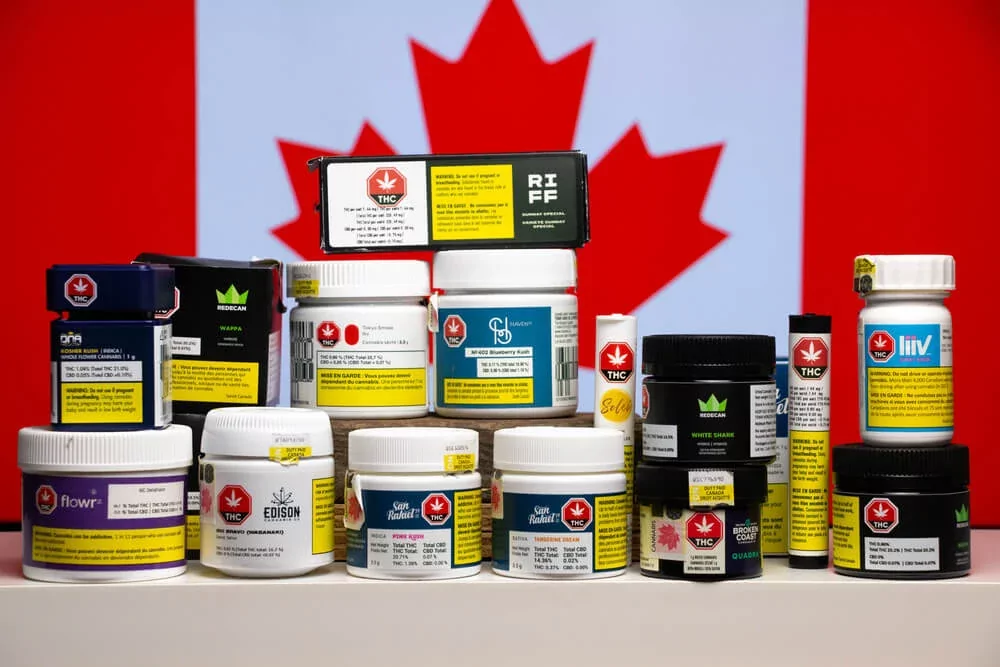
Pre roll packaging with labels must satisfy multiple stakeholders simultaneously—regulators demanding specific disclosures, consumers seeking product information, and brand managers protecting visual identity. This complexity makes labeling one of the most challenging aspects of cannabis packaging design.
Regulatory requirements vary significantly across jurisdictions but typically mandate:
- Cannabinoid Content: Precise THC and CBD percentages, often with testing date and batch numbers for traceability.
- Health Warnings: Standardized text about impairment risks, pregnancy warnings, and age restrictions, sometimes with specific font sizes and placements.
- Cultivation Details: Information about growing methods, pesticide use, and origin, particularly in markets emphasizing local production.
- Universal Symbols: THC warning symbols that must appear in designated sizes and locations, ensuring immediate recognition.
Beyond compliance, effective labels communicate brand personality within tight constraints. Limited space forces designers to prioritize information hierarchy—determining which details appear prominently versus fine print. Typography choices, color palettes, and graphic elements must work within regulatory boundaries while maintaining brand consistency across product lines.
Sustainable labeling presents additional considerations. Water-based inks, recyclable adhesives, and compostable label stock ensure that environmentally friendly packaging doesn’t get undermined by conventional labeling materials. Some brands now use direct printing on packaging substrates, eliminating labels entirely while reducing material layers.
Navigating the Regulatory Landscape
Cannabis pre roll packaging operates within one of the most heavily regulated consumer product categories. Compliance failures can result in product recalls, financial penalties, and license suspensions—consequences that make regulatory expertise essential for market participation.
Child-resistant packaging requirements illustrate the complexity brands navigate. Standards typically reference testing protocols from the Consumer Product Safety Commission or similar bodies, requiring that packaging resist opening by children under five while remaining accessible to adults. This balance becomes more challenging with sustainable materials, as some biodegradable plastics lack the structural rigidity of conventional alternatives.
Opaqueness requirements add another layer of constraint. Many jurisdictions mandate that cannabis packaging prevent visual inspection of contents, ostensibly to reduce appeal to minors. This requirement conflicts with consumer preferences for viewing products before purchase, leading some brands to incorporate small viewing windows that technically comply while providing limited product visibility.
Labeling regulations continue evolving as markets mature. Early cannabis markets often borrowed pharmaceutical labeling standards, resulting in clinical presentations that contradicted brand positioning. Newer regulations increasingly recognize cannabis as a distinct category, allowing more flexibility in visual presentation while maintaining safety disclosures.
Brands operating across multiple jurisdictions face the additional challenge of packaging variations. What satisfies California regulators may violate Canadian federal standards, forcing companies to maintain separate packaging inventories or design lowest-common-denominator solutions that satisfy all markets but optimize for none.
Custom Pre Roll Tubes: Balancing Sustainability and Functionality
Custom pre roll tubes represent the intersection of brand expression and environmental responsibility. Unlike generic packaging that treats all products identically, customization allows brands to align packaging with specific product positioning—whether premium craft cannabis, value-oriented offerings, or wellness-focused CBD products.
The customization process begins with material selection. Brands must evaluate options across multiple dimensions:
- Environmental Impact: Life-cycle assessments comparing carbon footprints, water usage, and end-of-life disposal across material options.
- Protective Performance: Testing how materials perform under various humidity, temperature, and light exposure conditions relevant to distribution channels.
- Cost Structures: Understanding how minimum order quantities, tooling costs, and material pricing affect total packaging expenses.
- Supply Chain Reliability: Evaluating supplier stability, lead times, and geographic proximity to manufacturing facilities.
Once materials are selected, structural design determines user experience. Tube diameter must accommodate pre-roll dimensions while minimizing excess space that allows product movement during shipping. Closure mechanisms need sufficient resistance to satisfy child-safety requirements without frustrating adult users. Some brands incorporate humidity control elements—small packets or built-in chambers—that maintain optimal moisture levels during storage.
Surface treatments and printing techniques complete the customization. Digital printing enables short runs with variable designs, allowing limited editions and regional variations without prohibitive setup costs. Embossing and debossing add tactile dimensions that communicate premium positioning. Some manufacturers now offer compostable coatings that provide moisture barriers comparable to plastic lamination while maintaining end-of-life biodegradability.
The Future of Pre Rolls Packaging
Cannabis packaging continues evolving as material science advances and consumer expectations shift. Several emerging trends suggest where the industry is heading:
Smart packaging incorporating NFC chips or QR codes will likely become standard, providing consumers with detailed product information, authentication verification, and usage tracking. These technologies can also facilitate take-back programs where brands incentivize packaging returns for proper recycling or reuse.
Refillable systems may disrupt single-use packaging models entirely. Some brands are experimenting with durable containers that consumers keep, purchasing pre-roll refills in minimal packaging. This approach mirrors trends in beauty and household products where refill stations reduce packaging waste by 80% or more.
Bioplastic technology continues improving, with newer formulations offering better performance characteristics and faster decomposition rates. Third-generation bioplastics derived from algae or food waste may eventually provide the durability of petroleum plastics with the environmental profile of paper.
Regulatory harmonization across jurisdictions would dramatically reduce packaging complexity and waste. Industry groups are advocating for standardized requirements that maintain safety while eliminating redundant variations that force brands to maintain multiple packaging versions.
Making the Transition to Sustainable Packaging
For cannabis brands still using conventional packaging, transitioning to sustainable alternatives requires strategic planning. Abrupt changes can disrupt supply chains and confuse loyal customers, while delayed action cedes competitive ground to more agile competitors.
Successful transitions typically follow a phased approach. Brands might begin with one product line or regional market, gathering consumer feedback and operational learnings before expanding sustainable packaging across their portfolio. This staged rollout also spreads capital investment over time, reducing financial strain on smaller operations.
Consumer education plays a crucial role in transition success. Packaging changes should be accompanied by clear communication about environmental benefits, proper disposal methods, and brand commitment to sustainability. Some companies include inserts explaining their packaging choices and inviting customer feedback, turning the transition into an engagement opportunity.
The cannabis industry’s packaging evolution reflects broader societal shifts toward environmental responsibility. As sustainable materials achieve performance parity with conventional options and consumers increasingly vote with their wallets for eco-friendly brands, the business case for sustainable pre-roll packaging strengthens. Companies that view this transition as opportunity rather than obligation will likely emerge as category leaders in an industry still defining its identity.

- Recycling Point, Bin, or Kitchen Drawer? What UK Vapers Actually Do With a Dead Device - September 30, 2026
- How Cannabis Operators Should Qualify a Vape Hardware Supplier - September 30, 2026
- From Distillate to Finished Pod: The Quality-Control Steps Behind a Premium CBD Vape - September 30, 2026