
Recycling Point, Bin, or Kitchen Drawer? What UK Vapers Actually Do With a Dead Device
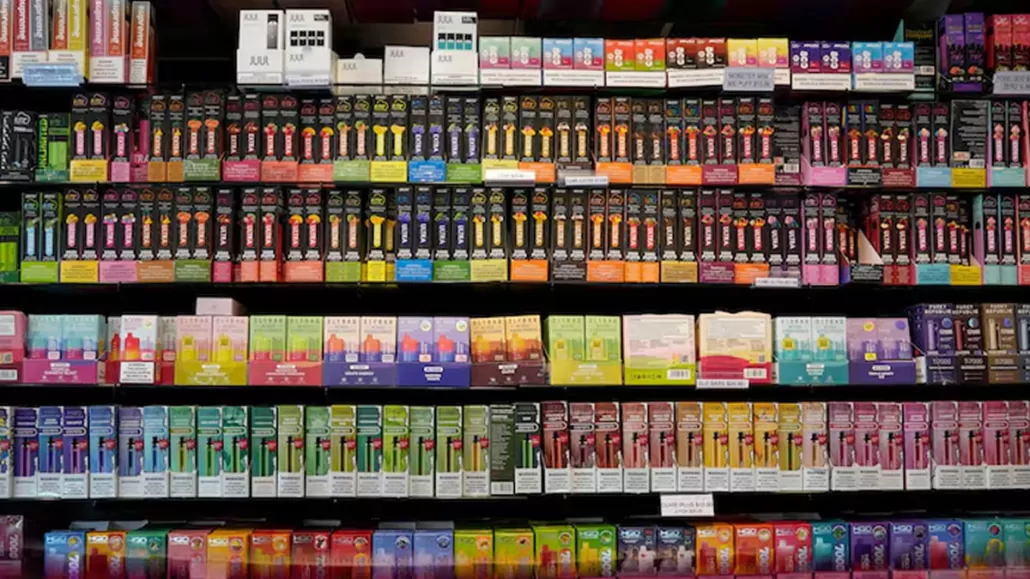
Most vapers have a dead device sitting somewhere they never planned for it to sit. A drawer, a coat pocket, the bottom of a bag. It stops working, gets replaced, and the old one just does not get dealt with. That is not laziness so much as a genuine gap in knowledge. A lot of people know, in a vague sense, that there is a battery in there. Far fewer know what they are actually supposed to do about it, or why it matters.
The Ban Changed the Numbers, Not the Problem
Since the ban on single use vapes came into force across the UK on 1 June 2025, the conversation has understandably moved on, as if the waste issue was largely solved along with the sale of disposables. The data tells a more complicated story. Material Focus, which tracks this closely, estimates that the number of vapes and pods thrown away or incorrectly recycled each week has fallen from 8.2 million in 2024 to 6.3 million now. That is real progress. It is also still roughly ten devices discarded every second, somewhere in the UK, right now.
The market has shifted rather than shrunk. Rechargeable pod systems have taken up much of the space disposables used to occupy, and those devices still contain lithium ion batteries that need to go somewhere sensible when they finally die.
What People Actually Know, and What They Actually Do
According to übbs’ vape waste survey of 1,001 adults across the UK, commissioned to see how the disposable ban has actually changed public habits, 62 percent know that a disposable vape contains a battery. That figure sounds reassuring until you see the next one: 56 percent said they had never really thought about what happens to that battery once it is binned. Knowing a battery exists and understanding what that means for disposal are two separate things, and most people have only made the first connection.
The practical consequences show up clearly in the numbers. Only 31 percent of respondents said they would take a used vape to a proper recycling point. The rest were split between general waste, household recycling bins, or simply not being sure, adding up to 46 percent disposing of a device incorrectly. Regional differences were notable too. Scotland had the highest proportion of people who said they would use a recycling point, at 45 percent, while in South West England that figure dropped to just 20 percent, with a third of respondents unsure what they would even do.
Awareness that vapes contain batteries also varied by age and region, running highest among 35 to 44 year olds and in Northern Ireland, and lowest among the over 65s and in Northern England. None of this suggests carelessness. It suggests that clear, consistent guidance has not quite caught up with how many people are now vaping.
Why the Battery Is the Part That Matters
A vape is an electrical product, and the reason it cannot go in with ordinary rubbish or household recycling comes down entirely to the battery inside it. If a lithium ion battery is crushed or damaged during collection or processing, whether that is in a bin lorry, a sorting facility, or a domestic recycling bin, it can short circuit and spark a fire.
This is not a hypothetical risk. Material Focus has recorded a 71 percent rise in battery related waste fires, from around 700 incidents in 2022 to more than 1,200 in the most recent year reported. Waste contractor Veolia has separately reported roughly one fire a day across its UK sites and vehicles, describing it as part of a wider battery crisis driven largely by small lithium ion devices.
There is also a resource cost to getting this wrong. Every vape thrown away instead of recycled means the lithium inside it is lost rather than recovered. Material Focus estimates that the lithium in discarded vapes could otherwise power more than 10,000 electric car batteries a year, a figure that puts the scale of the waste into perspective.
Disposable or Rechargeable, the Rules Are the Same
It is worth being clear on the two battery types still in circulation. Single use vapes contained built in, non rechargeable batteries designed to be used once and never opened by the person using them. Although these devices can no longer legally be sold in the UK, plenty are still in circulation and still entering the waste stream. Rechargeable vapes and pod systems, which now dominate the market, use batteries that can be charged repeatedly before eventually needing disposal.
Both types fall under the UK’s Waste Electrical and Electronic Equipment regulations. In practice, that means any retailer selling vapes is legally required to offer a way for customers to return used devices, either in store or through an alternative collection point. That obligation covers full devices and vape parts, including batteries, whichever battery type is involved.
So Where Should a Dead Vape Actually Go
There are a handful of straightforward options. Retailers that sell vapes have to provide a take back route, so handing a used device back at the point of purchase is usually the simplest choice. Household waste recycling centres, the tip rather than the kerbside bin, generally accept vapes and small electricals containing batteries, though it is worth checking local council guidance since facilities vary. Some retailers and specialist schemes run dedicated electrical or battery recycling points, and a few manufacturers offer their own take back or postal recycling services.
What should not happen is a vape going into general waste, a household recycling bin, or having its battery removed at home. None of those routes are built to handle lithium ion batteries safely, and that is exactly where the fire risk and resource loss both start.
What Would Actually Get People to Change
When asked what would most encourage responsible disposal, 33 percent of respondents pointed to a cash back or deposit scheme, closely followed by 31 percent who wanted more recycling points available in shops. Clearer labelling came in at 16 percent, and a council collection service at 10 percent. Only 9 percent said nothing would change their behaviour, which suggests most people are not resistant to doing the right thing. They are simply waiting for it to be made easier.
That preference for a financial incentive was especially strong in some areas, reaching 50 percent in both Northern Ireland and Belfast. It points to something worth taking seriously: telling people what to do has only gone so far, and making the correct option the convenient one is likely to move the numbers further than another awareness campaign would.
The Bigger Picture
None of this is really about blame. Vaping habits have changed quickly, regulation has changed alongside them, and public understanding is still catching up with both. The ban on single use vapes has clearly made a difference, cutting weekly waste from 8.2 million to 6.3 million devices, but millions are still being discarded every week, and a large share of them are still ending up in the wrong place.
For adult vapers weighing up what comes next, it is also worth knowing that not every nicotine format involves a battery. Nicotine pouches, for example, do not contain batteries or electronic components, so the lithium ion disposal and fire risks associated with disposable vapes do not apply in the same way. For anyone concerned about battery waste, that is simply another factor to consider when looking at different nicotine formats.
That gap between knowing there is a problem and knowing what to do about it is exactly what übbs set out to measure, given its position as a battery-free nicotine pouch brand with a direct interest in how vaping waste is actually handled once it leaves the consumer’s hands.
In the meantime, the fix for vape batteries is not complicated. Take the device back to where it was bought, find a proper recycling point, or use the local tip rather than the bin. It is a small habit change with a genuinely outsized effect, given how many devices are moving through UK households every week.

- Recycling Point, Bin, or Kitchen Drawer? What UK Vapers Actually Do With a Dead Device - September 30, 2026
- How Cannabis Operators Should Qualify a Vape Hardware Supplier - September 30, 2026
- From Distillate to Finished Pod: The Quality-Control Steps Behind a Premium CBD Vape - September 30, 2026
Related posts:
 EU Associations Call For Disposable Vape Ban By 2024
 Indiana Youth Smoking and Vaping Rates Drop to Lowest in Decades
 Is Cannabis Safe During Pregnancy? Risks & Research
 Is Zero 0% Nicotine Vape Better Safe or Worse?
 Philippine DTI Vape Compliance Alert: List of Registered PS Licenses [Updated 03/17/2025]

