
From Distillate to Finished Pod: The Quality-Control Steps Behind a Premium CBD Vape
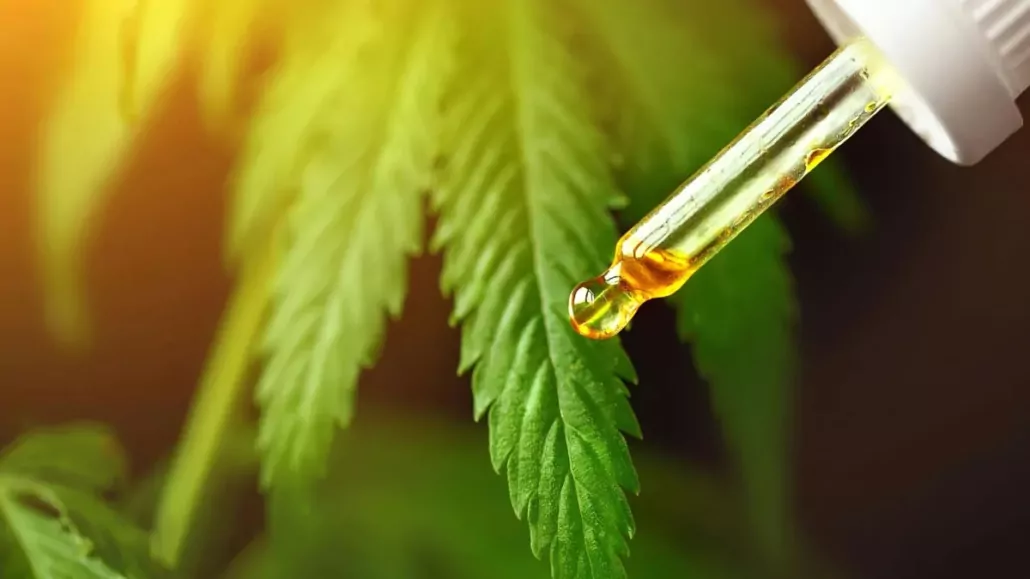
Making a high-quality CBD vape involves much more than mixing cannabinoids with flavour and filling a cartridge.
The quality of the finished product depends on decisions made throughout the manufacturing process: choosing the cannabinoid raw material, verifying its laboratory documentation, selecting appropriate terpenes, matching the formulation to suitable hardware and maintaining control over filling and batch traceability.
At Originals CBD, these decisions are handled deliberately rather than purchasing a finished white-label vape. We source our cannabinoid distillate and cannabis-derived terpenes separately, select specialist ceramic vape hardware and formulate and fill our pens in-house.
For consumers comparing CBD vapes UK, understanding this production chain can be far more useful than looking only at the CBD number printed on the box.
Why CBD Vape Quality Starts With Raw Materials
The finished vape may be the part the consumer sees, but many of the most important quality decisions are made long before the oil reaches the pod.
Manufacturers have to decide:
- what type of cannabinoid extract to use;
- where it comes from;
- how extensively it has been tested;
- which terpenes are added;
- how concentrated the terpene fraction should be;
- what viscosity the final formulation will have;
- which heating system can handle that viscosity;
- and how the finished batch will be documented.
This is why two apparently similar CBD vape pens can be fundamentally different products. Both might contain the same advertised quantity of CBD. But the manufacturing chain behind them may be completely different.
Step 1: Choosing the Cannabinoid Extract
One of the first choices is the cannabinoid base.
Manufacturers generally have several options, including:
- CBD isolate;
- broad-spectrum distillate;
- full-spectrum extracts where permitted;
- or purpose-formulated cannabinoid distillates.
We decided to work with a crystal-resistant broad-spectrum cannabinoid distillate manufactured in the United States.
Our current raw material is identified on its batch certificate as:
Crystal Resistant CBD Distillate 2.0
Lot: L2607B020
Manufacture date: July 2026
The reason for choosing a crystal-resistant material is practical. CBD can crystallise at higher concentrations.
That may be manageable in some products, but crystallisation inside a small pod can potentially affect oil movement and the relationship between the formulation and the heating element. For a vape application, physical behaviour matters just as much as the cannabinoid percentage.
Step 2: Checking the Cannabinoid Profile
A cannabinoid extract should not be treated as a generic commodity. The laboratory profile tells us what we are actually working with.
Our supplied batch produced the following results:
| Cannabinoid | Laboratory result |
|---|---|
| CBD | 47.9% |
| CBG | 20.141% |
| CBDV | 2.658% |
| CBE | 3.520% |
| CBC | 0.100% |
| CBN | 0.108% |
| Δ9-THC | 0.0613% |
| THCA | Not detected |
| Δ8-THC | Not detected |
| Total cannabinoids | 74.5% |
The batch therefore isn’t simply a CBD carrier. It has a relatively broad cannabinoid composition, with particularly significant CBG content.
The laboratory measured CBD at 47.9%, CBG at 20.141% and total cannabinoids at 74.5%. That profile was one of the reasons the material suited what we wanted to formulate.
This does not mean that a longer cannabinoid list automatically makes a better vape. It means that the manufacturer knows precisely what its starting material contains.
Step 3: Going Beyond Potency Testing
This is one of the biggest differences between basic and more comprehensive cannabinoid sourcing. A simple laboratory certificate may confirm CBD concentration and THC concentration. Those figures matter. But potency testing alone does not answer questions about contaminants.
A more useful quality-control process asks: What else did the laboratory look for?
Our distillate documentation includes testing across the following categories:
| Test | Purpose |
|---|---|
| Cannabinoid potency | Confirms cannabinoid composition |
| Residual solvents | Checks for processing solvent residues |
| Pesticides | Screens agricultural contaminants |
| Heavy metals | Tests arsenic, lead, mercury and cadmium |
| Mycotoxins | Screens toxins associated with fungal contamination |
| Microbial testing | Screens bacteria, yeast and mould |
| Organoleptic analysis | Confirms physical appearance |
The certificate shows pass results across potency, residual solvents, elemental impurities, mycotoxins, microbials and pesticides.
It also states that the contract laboratory work is performed by ISO/IEC 17025-accredited laboratories. This provides much more information than a potency number alone.
Step 4: Microbial and Mould Screening
Microbial testing rarely gets the same attention as cannabinoid potency. But from a manufacturing perspective, it is an important part of raw-material quality control.
The batch documentation we receive includes testing for:
- Salmonella spp.
- Shiga toxin-producing E. coli
- Total coliforms
- Total aerobic plate count
- Total yeast and mould
For the tested batch:
| Microbial test | Result |
|---|---|
| Salmonella | Absent in 25g |
| E. coli | Absent in 25g |
| Total coliforms | Within specification |
| Aerobic plate count | Within specification |
| Yeast and mould | Within specification |
The complete panel received pass results.
This is an important distinction. A manufacturer should not automatically interpret: “cannabinoid tested” as meaning: “comprehensively tested.”
They are not the same thing.
6. Step 5: Residual Solvents and Pesticides
Cannabinoid extraction and refinement can involve several processing stages. That makes residual-solvent analysis useful when evaluating refined ingredients.
The supplied batch was tested for a range of solvents, including:
- acetone;
- benzene;
- butanes;
- ethanol;
- ethyl acetate;
- heptanes;
- hexane;
- isopropyl alcohol;
- methanol;
- pentane;
- propane;
- toluene;
- and xylenes.
Most were reported as not detected.
Isopropyl alcohol was measured at 26.20 ppm, compared with the laboratory specification of less than 1,000 ppm, and therefore passed. The same certificate also includes a sizeable pesticide panel.
Individual listed compounds include:
- myclobutanil;
- imidacloprid;
- chlorpyrifos;
- bifenazate;
- carbaryl;
- malathion;
- spinosad;
- and many others.
The certificate documents individual test limits rather than simply displaying a generic pesticide badge. That degree of documentation makes supplier evaluation easier.
Step 6: Heavy Metals and Mycotoxins
The ingredient is also screened for four elemental contaminants:
| Element | Result |
|---|---|
| Arsenic | Not detected |
| Cadmium | Not detected |
| Lead | Not detected |
| Mercury | Not detected |
Each result passed the stated specification.
The mycotoxin panel covers:
- Aflatoxin B1;
- Aflatoxin B2;
- Aflatoxin G1;
- Aflatoxin G2;
- Ochratoxin A.
These were also reported as not detected within the laboratory limits.
Again, the significance is not simply being able to say a product is “lab tested”. It is knowing what was tested.
Step 7: Selecting the Terpene Profile
Once the cannabinoid base has been selected, the formulation still needs an aromatic profile. There are several ways to achieve this.
Manufacturers may use:
- conventional vape flavour concentrates;
- botanical terpene formulations;
- cannabis-derived terpene fractions.
For our own cannabinoid pens, we chose cannabis-derived terpenes sourced from specialist US suppliers.
The reason is primarily sensory. We wanted the finished vape to retain a recognisable cannabis-style aromatic character rather than tasting like a conventional sweetened e-liquid.
Individual terpenes such as: limonene, myrcene, pinene, and linalool occur in many plants.
The distinction with cannabis-derived material is that the aromatic fraction originates from cannabis itself. For a product intended to reproduce a cannabis-style profile, that makes sense to us.
Step 8: Matching Viscosity to Vape Hardware
This is where formulation and engineering meet. The oil does not exist independently from the device. A cannabinoid formulation needs to reach the heating element consistently.
If it is too viscous for the hardware, manufacturers may encounter:
- poor wicking;
- inconsistent vapour production;
- clogging;
- incomplete use of the oil;
- or overheating around the coil.
If the formulation is too thin for a particular cartridge architecture, leakage can become a problem.
That means the manufacturer should not simply ask: Which cartridge looks best?
The better question is: Which cartridge works properly with this formulation?
Ecigator itself notes in its technical CBD manufacturing coverage that ceramic elements are widely used with thicker CBD distillates because they can handle viscous formulations more effectively than traditional cotton systems.
Step 9: Why Ceramic Heating Technology Matters
For our pod-based cannabinoid pens, we chose the CCELL Eazie platform.
Our decision was based on the type of material we were putting through the system. Cannabinoid distillates are not the same as conventional nicotine e-liquid.
The heating element needs to work with a thicker formulation. Ceramic systems are widely used in cannabis and cannabinoid hardware because porous ceramic can help bring oil into contact with the heated surface while distributing heat across the material.
Ecigator’s own vape-pen guide similarly highlights ceramic cores for thicker cannabis oils and concentrates.
Hardware selection questions
| Question | Why it matters |
|---|---|
| Is the device intended for thick oil? | Reduces mismatch between hardware and formulation |
| What heating material is used? | Influences oil delivery and heating behaviour |
| Is airflow suitable? | Affects draw and vapour production |
| Is the pod resistant to leaking? | Important during storage and transport |
| Is the manufacturer identifiable? | Improves component traceability |
| Has the oil been tested in that hardware? | Real-world compatibility matters |
Choosing the hardware separately gives us greater control than simply accepting whichever cartridge is included in a white-label package.
Step 10: In-House Formulation and Filling
There are two broad approaches available to a CBD brand. The first is to purchase a completely finished product.
A third-party manufacturer determines:
- the extract;
- the flavour;
- the formulation;
- the hardware;
- and the filling process.
The retailer then adds branding. There is nothing inherently wrong with that model. But our preference was to control more of the chain ourselves.
We separately source: our cannabinoid distillate, our cannabis-derived terpenes, and our hardware. We then formulate and fill the vape products in-house.
This means we know exactly which ingredients are going into each production run. It also means we’re able to change one element without losing visibility over the others.
Step 11: Batch Traceability
Traceability is one of the less glamorous parts of manufacturing, but it is one of the most useful. Our cannabinoid raw material arrives identified by a lot number.
For example, the COA discussed here corresponds to: Lot L2607B020
That allows the incoming material to be connected to:
- cannabinoid potency;
- manufacturing date;
- residual-solvent results;
- pesticide results;
- heavy-metal results;
- mycotoxin results;
- microbial results.
If a new distillate lot is introduced later, we don’t have to assume it is identical. We can review the new documentation. That is a much stronger system than simply ordering anonymous bulk CBD oil and assuming every batch is the same.
Manufacturing Comparison
The practical differences can be summarised like this:
| Manufacturing area | Basic white-label approach | In-house controlled approach |
|---|---|---|
| Cannabinoid supplier | Selected by third party | Selected by brand |
| Extract type | Predetermined | Selected for formulation |
| COA review | May be limited | Raw batch reviewed |
| Cannabinoid profile | Sometimes potency only | Detailed profile |
| Residual solvents | Varies | Checked |
| Pesticides | Varies | Checked |
| Heavy metals | Varies | Checked |
| Microbial panel | Varies | Checked |
| Terpenes | Supplier decides | Brand chooses |
| Hardware | Supplier decides | Brand chooses |
| Formula | Pre-made | Developed in-house |
| Filling | Third party | In-house |
| Ingredient traceability | Variable | Direct |
| Ability to change components individually | Limited | Greater control |
Neither manufacturing model automatically guarantees quality. A highly capable contract manufacturer can produce excellent products.
The key difference is how much visibility and control the brand itself has.
What Should Buyers Ask a CBD Vape Brand?
Consumers do not need to become laboratory chemists. A few basic questions reveal a surprising amount.
1. Where does the cannabinoid ingredient come from?
The brand should ideally know.
2. Is there a batch-specific laboratory report?
A report should correspond to identifiable material rather than simply being a generic example.
3. Does the COA test more than CBD and THC?
Look for broader contaminant screening.
4. What type of extract is used?
Isolate and broad-spectrum distillate are very different starting materials.
5. What is used for flavour?
Ask whether the profile comes from conventional flavouring, botanical terpenes or cannabis-derived terpenes.
6. Who manufactures the vape hardware?
Recognisable component sourcing improves transparency.
7. Does the brand formulate the product?
Or does a contract supplier provide a finished white-label device?
None of these questions alone decides whether a vape is good. Together, however, they reveal how seriously the manufacturer treats the production process.
Frequently Asked Questions
-
What is CBD distillate?
CBD distillate is a refined cannabis or hemp-derived extract containing concentrated cannabinoids. Depending on how it is produced, it can contain CBD alongside other cannabinoids.
-
What is crystal-resistant CBD distillate?
It is a cannabinoid distillate formulated to reduce the tendency of cannabinoids to crystallise. This characteristic can be useful in applications such as vape pods, where oil needs to continue moving through small fluid pathways.
-
Why not simply use CBD isolate?
CBD isolate is useful for many formulations and provides very high CBD purity. We chose broad-spectrum distillate because we wanted a wider cannabinoid profile and a material designed for this type of application.
-
Does the raw material contain CBG?
Yes. The tested batch contained 20.141% CBG alongside 47.9% CBD.
-
Is the distillate tested for mould?
The batch COA includes total yeast and mould testing. The tested material passed the specified limit.
-
Is bacterial contamination tested?
The laboratory panel includes Salmonella, Shiga toxin-producing E. coli, total coliforms and total aerobic plate count.
-
Are heavy metals checked?
The COA includes arsenic, cadmium, lead and mercury. All four were reported as not detected in this batch.
-
Why use cannabis-derived terpenes?
For us, they provide a more authentic cannabis-origin aromatic profile than conventional vape flavouring.
-
Why does vape hardware matter?
The hardware determines how the formulation is transported to and heated by the atomiser. A mismatch between viscosity and hardware can contribute to poor performance.
-
Why use ceramic hardware for CBD distillate?
Ceramic systems are commonly used with viscous cannabinoid oils because their structure and heat distribution can suit thicker formulations. Ecigator discusses the same principle in its technical material on CBD hardware.
-
Are these pens simply white-labelled?
No. The cannabinoid base, terpene fraction and vape hardware are sourced separately, and the formulation and filling process is carried out in-house.
Final Thoughts
A CBD vape is ultimately the result of a supply chain. The consumer sees a small pod or pen. Behind it, however, are decisions involving chemistry, testing, formulation and hardware engineering.
For us, a better manufacturing process means knowing:
- where the cannabinoid extract originated
- what cannabinoids it contains
- which contaminants were tested
- where the terpene profile came from
- what hardware is heating the formulation
- which batch of material went into production
That does not make manufacturing simpler. It makes it more transparent.
And as the CBD vape market becomes more mature, transparency may prove to be one of the most useful ways for consumers to distinguish one product from another.

- Recycling Point, Bin, or Kitchen Drawer? What UK Vapers Actually Do With a Dead Device - September 30, 2026
- How Cannabis Operators Should Qualify a Vape Hardware Supplier - September 30, 2026
- From Distillate to Finished Pod: The Quality-Control Steps Behind a Premium CBD Vape - September 30, 2026
Related posts:
 UK Nicotine Market 2026: Tobacco, Vapes & Pouch Growth
 How to Spot a Fake Elf Bar: Warning Signs and Safety Risks
 Arizona Vape Bill: Ban on Chinese Disposables & Cartoon Shapes
 OXVA XLIM SQ PRO Review – A Feature-Packed Pod Vape
 Guide to Nicotine Pouch Sizes: Everything You Need to Know
 CBD Drug Test: THC Contamination Risk and Prevention

