
Vaping Prevents Relapse: Study Shows 25% Lower Risk
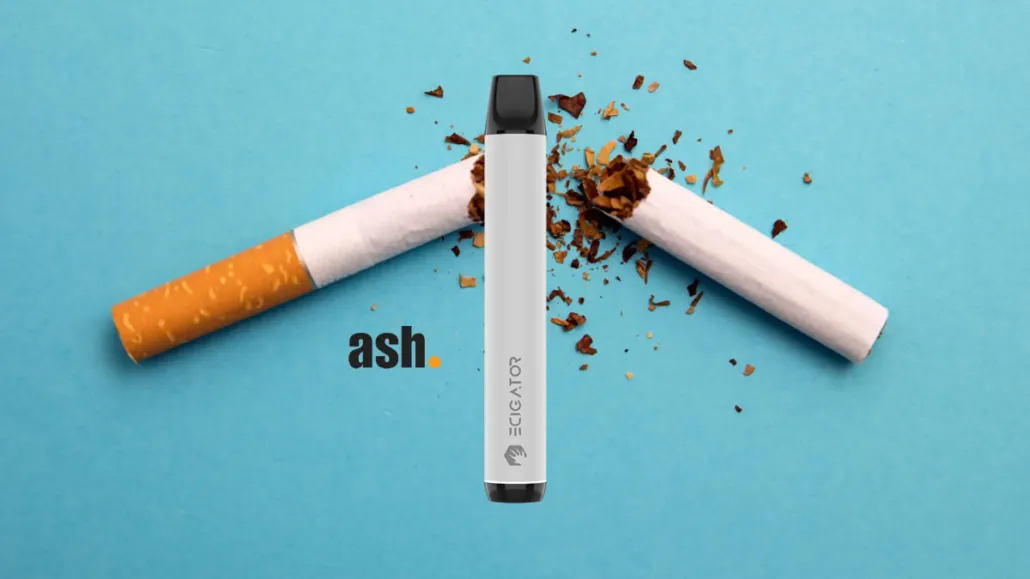
A groundbreaking study by WIPH researchers provides the first concrete evidence that continuing to vape after quitting smoking significantly reduces the risk of relapse. Unlike traditional Nicotine Replacement Therapies (NRTs) like patches or gum, which users tend to abandon quickly, e-cigarettes offer a sustainable bridge for abstinence. The data indicates that ex-smokers who continue to vape are 25% less likely to return to combustible tobacco compared to those who do not.
Key Takeaways
- Relapse Reduction: Vapers are 25% less likely to relapse into smoking compared to abstainers or NRT users.
- Long-Term Efficacy: Ongoing vaping serves as a protective barrier against slipping back to cigarettes.
- Expert Advice: Peter Hajek urges that long-term vaping “should not be discouraged” as it carries a fraction of the risk of smoking.
- Study Basis: Findings come from a secondary analysis of a landmark randomized controlled trial involving 886 smokers.
The Protective Effect of Long-Term Vaping
Cross-referencing clinical trial data reveals a critical shift in cessation strategy. The study analyzed relapse rates over two specific periods: between 4 weeks and 1 year, and between 6 months and 1 year. In both windows, participants who used e-cigarettes demonstrated superior resilience against relapse compared to those using NRTs.
Peter Hajek, Director of the WIPH Health and Lifestyle Research Unit, emphasizes that while total abstinence is the ultimate goal, the immediate priority is preventing a return to smoking. Since e-cigarettes carry only a small fraction of the health risks associated with combustible tobacco, maintaining a vaping habit is a safer alternative than risking a relapse.
Comparison Matrix: E-Cigarettes vs. NRT
The study highlights a distinct behavioral difference between vaping and traditional cessation aids.
| Method | Usage Pattern | Relapse Risk |
|---|---|---|
| E-Cigarettes (Vaping) | High continuation rate | 25% Lower Risk |
| NRT (Gum/Patches) | Low continuation rate | Higher risk of relapse |
Clinical Implications
Professor Hayden McRobbie notes that the “big question” in public health is not just quitting, but staying smoke-free. The data suggests that rushing to quit vaping might be counterproductive. Instead, ex-smokers should continue vaping for as long as necessary to ensure they feel fully confident they will not slip back into smoking habits.
Should I stop vaping after quitting smoking?
Not necessarily. The study suggests that continuing to vape acts as a safety net. Professor McRobbie advises carrying on “for as long as needed” to prevent slipping back to cigarettes. Rushing to quit nicotine entirely might increase your risk of relapse.
Hajek P, Przulj D, Myers Smith K, Li J, Sasieni P, Ross L, McRobbie H, Goniewicz M, Pesola F. Continuing use of e-cigarettes after stopping smoking and relapse: Secondary analysis of a large randomised controlled trial. Addiction. 2025. https://doi.org/10.1111/add.70294

- Indonesia: Denpasar Updates Smoke-Free Bylaw to Tighten Vape Rules - October 20, 2026
- Teen Girls Surpass Boys in Vaping Rates, Reversing Historic Trends - October 20, 2026
- Alabama: Irondale Proposes Public Vaping Ban with Fines Reaching $200 - October 20, 2026
Related posts:
 UK Disposable Vape Ban: ACS Clarifies Rules for Retailers
 Tobacco Industry Pushes Ireland for Vape Tax & Regulation
 Study Supports Providing Free Vapes to Help Smokers Quit
 12 Life-Changing Benefits You’ll Discover When You Make the Switch from Smoking to Vaping
 Understanding China’s Vape Regulations: Everything You Need to Know
 Air Bar Mini Review – Pocket-Sized Powerhouse of Flavor

