
The Unseen Effects of CBD on the Teenage Brain: A Warning
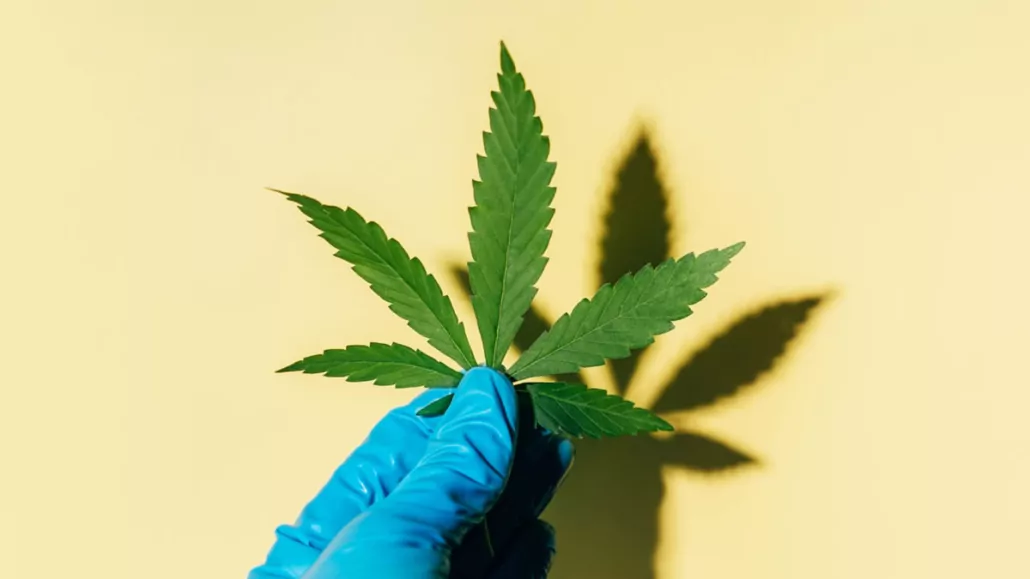
In the expansive world of modern wellness, cannabidiol, or CBD, has been widely embraced as a natural, non-intoxicating panacea for a host of ailments. Infused into everything from gummy candies and fizzy seltzers to skincare serums and vapes, CBD is often pitched as a gentle, calming remedy with none of the stigma or psychoactive effects of its cousin, THC. The 2018 Farm Bill, which federally legalized hemp, opened the floodgates, and a multi-billion dollar industry was born. Even a 2018 World Health Organization report noted that CBD shows no signs of abuse or dependence potential in humans. For many, especially parents of anxious teens, this narrative is comforting. But as a physician and neuroscientist studying how CBD affects the developing brain, I must offer a different, more troubling perspective: we simply don’t know if it’s safe for adolescents, and emerging evidence suggests the potential for real, lasting harm.
The “Wild West” of CBD: A Catastrophic Regulatory Failure
How did a compound that the U.S. Food and Drug Administration (FDA) has only approved in one instance as a potent prescription drug (Epidiolex) for severe childhood epilepsy become a ubiquitous, unregulated additive in countless consumer products? The answer lies in a catastrophic regulatory failure. The 2018 Farm Bill legalized hemp but created no comprehensive framework to ensure that the products derived from it were safe, effective, or accurately labeled. Crucially, the bill set no federal age limit for purchase.
The result is a market that operates like the Wild West, a gold rush where consumer safety is often an afterthought. The FDA-approved CBD medicine, Epidiolex, comes with a long list of documented risks, including the potential for liver damage and suicidal ideation, and requires careful medical supervision. Yet, countless consumer CBD products are sold without any such warnings, mandatory testing, or oversight. Companies have made illegal and unfounded health claims with impunity. In 2019, the FDA and the Federal Trade Commission (FTC) had to jointly warn a seller for marketing CBD oil as a treatment for autism, teething pain in infants, and ADHD. These unsubstantiated promises flourish in a regulatory void where basic quality control checks for potency or contaminants like pesticides and heavy metals are not consistently enforced.
The Uncontrolled Experiment: Youth Vaping and CBD
Into this unregulated void walks an entire generation of young people. An estimated 999,000 U.S. adolescents reported vaping CBD in 2023, a number that rose significantly between 2021 and 2023, according to a recent study published in the American Journal of Preventive Medicine. These young people are the unwitting subjects of a massive, uncontrolled public health experiment. But what is this experiment actually doing to their brains?
The adolescent brain is not a miniature adult brain; it’s a bustling city under intense construction. During this critical period, the brain is furiously wiring and rewiring itself, building new neural circuits while pruning others away. These processes refine personality, social behavior, emotional control, and the complex cognitive functions that define the adult mind. My work in the Sall Lab at the University of California, San Francisco, asks a fundamental question: What happens when you introduce a powerful neuroactive compound like CBD into this critical construction zone?
Animal Studies Reveal a Troubling Picture
To investigate this, we modeled adolescent CBD exposure in rats, whose brain development during their “teenage” years parallels many key aspects of human adolescent brain development. We administered a substantial dose of CBD, roughly equivalent to a high therapeutic dose in humans (on the order of several to dozens of typical CBD gummies’ worth). The drug cleared their systems quickly, but the changes it left behind were enduring.
As the CBD-exposed animals matured into adulthood, they became socially impaired. The adolescent CBD treatment appeared to fundamentally alter their social behavior; the rats were markedly less interested in interacting with their peers and less responsive to social cues compared to unexposed rats. When we examined their brains under the microscope, we observed that their brain cells had fewer branches and less complex connections, suggesting an impaired capacity to form the intricate neural circuits that sophisticated cognition and social behavior require. (This work is currently undergoing peer review.) For a compound marketed to parents of anxious children as a balm for social anxiety and stress, the irony was stark: in our model, CBD appeared to disrupt the very neural wiring of social interaction.
Our findings do not exist in a vacuum. They offer a potential biological explanation for what human epidemiological studies have been hinting at for years: adolescent cannabis use has been linked to long-term changes in brain structure and an increased risk of developing mental health challenges later in life, including psychosis and depression. The very fact that CBD doesn’t cause an immediate “high” has made it seem innocuous, but the science paints a more troubling picture. CBD is a powerful compound that actively engages with the brain’s signaling systems. By introducing it during a period of dynamic development, we risk interfering with the brain’s natural processes, potentially hindering its ability to build resilience and regulate emotions in the long run.
Expert Consensus: A Call for Precaution
Noticing these concerns, the nation’s leading pediatric experts have weighed in. The American Academy of Pediatrics (AAP), after examining the available evidence, urges the strict avoidance of all cannabis products, including CBD, for anyone under 21 (outside of direct medical supervision for conditions like epilepsy). Their guidance is unequivocal: young people should not use cannabis in any form. Their stance serves as a powerful reminder that “natural” does not automatically mean “safe,” especially when it comes to a developing child or teen. The AAP and other public health authorities emphasize that adolescence is too critical and vulnerable a period to introduce a substance whose long-term effects on the brain are so poorly understood, especially one being hawked as a harmless wellness supplement.
A Path Forward: Regulation, Education, and Honesty
This is not a call for neo-prohibition or fearmongering, but rather a plea for honesty, precaution, and common-sense regulation. CBD may indeed hold incredible therapeutic potential – current clinical trials are exploring its use for anxiety, pain, and other conditions. But potential is not proof, and hope is not a substitute for safety data, especially when it comes to children.
To protect the next generation, we must demand action from regulators and policymakers. The FDA needs to step up and finally regulate consumer CBD products with the rigor this public health situation demands. At a minimum, the FDA must:
- Mandate Rigorous Testing and Accurate Labeling: Every CBD product on the market should be tested by an independent third-party lab for its actual CBD content (and THC content) and checked for contaminants such as pesticides, heavy metals, or synthetic cannabinoids. Consumers and parents deserve to know exactly what they are buying.
- Ban Youth-Targeted Marketing and Products: The days of CBD gummies, candies, and vapes that look and taste like children’s sweets must end. Regulations similar to those for tobacco and alcohol advertising should apply: no cartoons, no candy imagery, and no marketing on platforms popular with minors.
- Enforce Strict Age Verification: Age verification for all CBD purchases should be strict and consistently enforced with meaningful penalties for violators. An online checkbox asking “Are you over 21?” is a woefully inadequate joke when it comes to keeping these products out of youthful hands.
Finally, our public health agencies, in partnership with scientists, pediatricians, and schools, must educate the public. We need clear, science-based campaigns to explain the difference between an FDA-approved medicine like Epidiolex and a trendy, unregulated over-the-counter CBD snack. Empowering families with facts can counteract the rosy marketing and help young people make genuinely informed choices.
The wellness industry has sold us a comforting and simple story about CBD. But the warm glow of the neon sign promising better sleep and risk-free relaxation masks a complex reality we can no longer afford to ignore. We are, in effect, gambling with the very architecture of our children’s minds. It’s time to pause, reassess the science, and put meaningful safeguards in place before the unseen scars multiply. Natural does not automatically mean safe, and our kids deserve nothing less than the truth.

- Recycling Point, Bin, or Kitchen Drawer? What UK Vapers Actually Do With a Dead Device - September 30, 2026
- How Cannabis Operators Should Qualify a Vape Hardware Supplier - September 30, 2026
- From Distillate to Finished Pod: The Quality-Control Steps Behind a Premium CBD Vape - September 30, 2026
Related posts:
 Ireland Bans on Tobacco and Vape Vending Machine Sales
 Austria Implements Smoking Ban in Cars with Minors
 Ireland’s New Vape Tax Sparks Debate on Health & Economy
 Oklahoma House Bill: Vaping Regulation Enforcement Shift
 Vaping CBD Oil Risks: Alternatives, Regulation Explained
 How Long Does CBD Stay in Your Body System?

