
Standard THC Unit: New Study Defines “Safe” Cannabis Limits
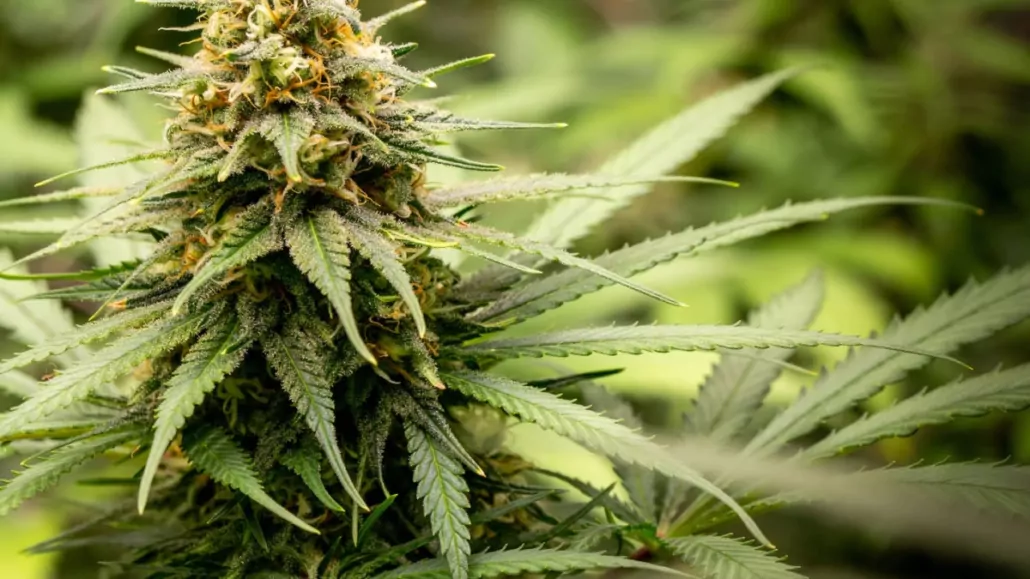
For decades, cannabis consumption has existed in a measurement “gray zone,” with users relying on vague terms like “joints” or “bowls” that fail to quantify actual potency. A groundbreaking study led by the University of Bath has proposed a solution: a standardized THC unit, similar to the “standard drink” metric used for alcohol. This new system aims to replace guesswork with precision, offering a clear threshold for risk: adults consuming more than eight THC units per week face a significantly higher likelihood of developing cannabis use disorder.
Key Takeaways
- The “Standard Drink” for Weed: Researchers propose a standardized THC unit to measure consumption accurately across different product potencies.
- The Risk Threshold: Adults exceeding 8 THC units per week are far more likely to report addiction symptoms.
- Potency Problem: A single high-potency joint can contain 3x the THC of a standard one, making “frequency” a poor metric for risk.
- Addiction Link: 70% of participants exceeding the 8-unit limit met the criteria for Cannabis Use Disorder (CUD).
The “Standard Unit” Solution
Cross-referencing data from the four-year CannTeen study reveals a critical flaw in how we currently track cannabis use. Frequency alone is misleading. A user smoking daily low-grade herb might consume less THC than a weekend user smoking high-potency concentrates. The University of Bath team, led by Tom Freeman, translated usage into standardized THC units to bridge this gap.
The findings were stark. Two joints that look identical can deliver vastly different doses. By standardizing the unit, researchers found that high-potency products could deliver three times the THC load of traditional cannabis. This clarity is essential as legal markets expand and product potency continues to skyrocket compared to decades past.
Defining the “Red Line” for Addiction
The study provides the first concrete data point for “safe” limits. The researchers identified a clear tipping point: 8 THC units per week.
| Weekly Consumption | Risk Profile | Study Finding |
|---|---|---|
| Under 8 Units | Lower Risk | Fewer reports of dependency symptoms. |
| Over 8 Units | High Risk | 70% met criteria for Cannabis Use Disorder. |
Lead author Rachel Lees Thorne emphasizes that while abstinence is the safest option, this metric allows for realistic harm reduction. It empowers users to choose lower-potency products or scale back consumption based on actual chemical exposure rather than just “number of puffs.”
Limitations and Future Impact
While public health experts welcome the proposal, some nuance remains. Marta Di Forti of King’s College London notes that cannabis contains over 140 cannabinoids, not just THC, and their interactions (the entourage effect) play a role in the experience. However, she acknowledges that establishing a THC unit is a “very important and much-needed start.”
Ultimately, this research isn’t about policing use; it’s about making it legible. Just as a drinker knows the difference between a beer and a shot of whiskey, cannabis users finally have a tool to understand the true strength of what they are consuming.
How much is one “Standard THC Unit”?
While the specific milligram amount is being finalized for global standards, the concept relies on a fixed amount of pure THC (e.g., 5mg or 10mg), allowing users to calculate their intake regardless of whether they smoke flower, vape, or eat edibles.

- Recycling Point, Bin, or Kitchen Drawer? What UK Vapers Actually Do With a Dead Device - September 30, 2026
- How Cannabis Operators Should Qualify a Vape Hardware Supplier - September 30, 2026
- From Distillate to Finished Pod: The Quality-Control Steps Behind a Premium CBD Vape - September 30, 2026
Related posts:
 Cannabis & Hemp 2025: Rescheduling, Bans & Executive Orders
 THC in Cannabis Shows Potential to Reverse Aging Process and Improve Memory in Older Mice
 Vaporesso Coss Click Vape Pod Kit Review
 Ireland Vape Tax Expected in Budget 2025 as Talks Continue
 California Flavor Ban Cut E-Cig & Cigarette Sales: Study Finds

