Why Indonesian Cigarette Packs Feature Graphic Warnings
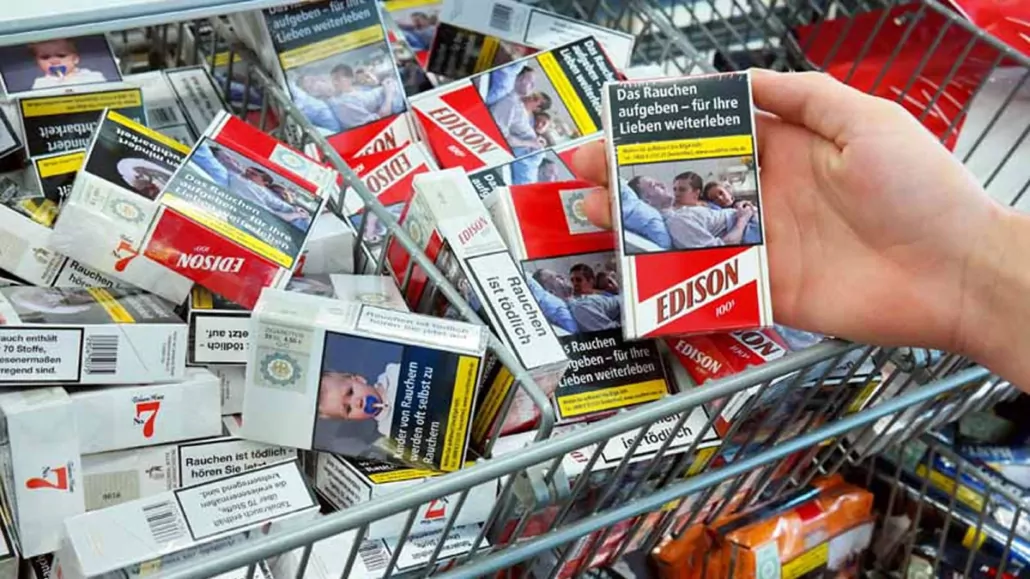
The Indonesian government has expanded mandatory graphic health warnings on all tobacco packaging under Government Regulation Number 28 of 2024 (PP 28/2024). This directive requires manufacturers and importers to dedicate half of their packaging space to explicit images of tobacco-related diseases, ensuring that health risks are visible to buyers rather than hidden in text disclaimers.
The Legal Framework: PP Number 28 of 2024
The legal basis for mandatory packaging visuals stems from PP 28/2024, the implementing regulation for Health Law Number 17 of 2023. This statute officially replaces the older PP Number 109 of 2012, updating national safeguards on addictive substances.
Under the updated provisions, any party producing, importing, or distributing tobacco products in Indonesia must display combined pictorial and textual health warnings. Key packaging requirements include:
- Location: Warnings must be printed at the top edge of both the front and back panels.
- Surface Area: Warnings must cover exactly 50 percent of the total area on each side, making them the dominant visual element.
- Design Control: The layout, text, and imagery are standardized by health authorities rather than chosen by brand owners.
Why Authorities Rely on Explicit Imagery
Health policymakers select graphic depictions of damaged organs, throat cancer, and systemic illness because visual communication delivers a psychological impact that written warnings cannot match.
According to the World Health Organization (WHO), combining explicit images with text increases public awareness of tobacco hazards far more effectively than text alone. The primary objective is to reduce the aesthetic appeal of cigarette packaging, preventing tobacco companies from using sleek branding to attract minors and young demographics.
Public health research also demonstrates that disturbing imagery increases quit attempts among active smokers. By forcing consumers to confront the physical consequences of smoking at the point of purchase, the packaging serves as an active deterrent.
National Mandates vs. WHO Framework
While Indonesia’s visual warning policy aligns with global health guidelines, it operates through a distinct legal mechanism. Indonesia has not ratified the WHO Framework Convention on Tobacco Control (WHO FCTC). Consequently, tobacco control measures in the country are enforced entirely through domestic legislation rather than international treaty obligations.
Nonetheless, the national framework adopts the WHO recommendation that health warnings should be large, clear, rotated periodically, and visually explicit to prevent consumer desensitization.
Penalties and Broader Tobacco Restrictions
Compliance with packaging laws is strictly enforced. Under PP 28/2024, manufacturers and distributors distributing non-compliant packs face direct administrative penalties, including:
- Mandatory product recalls from retail shelves
- Administrative financial penalties
- Suspension of distribution permits
The visual warning mandate is part of a broader regulatory tightening under PP 28/2024. The regulation also raises the minimum tobacco purchasing age to 21, restricts single-stick cigarette sales, and limits tobacco advertising. The government is also preparing derivative regulations scheduled for 2026, which will introduce standardized packaging and warning labels for electronic cigarettes and other emerging nicotine products.
- Read more: Indonesia Proposes Total Vape Ban to Combat Drug Trafficking
- News source: Kenapa Bungkus Rokok Dipenuhi Gambar Seram? Ini Aturan dan Alasan Pemerintah

- Indonesia: Denpasar Updates Smoke-Free Bylaw to Tighten Vape Rules - October 20, 2026
- Teen Girls Surpass Boys in Vaping Rates, Reversing Historic Trends - October 20, 2026
- Alabama: Irondale Proposes Public Vaping Ban with Fines Reaching $200 - October 20, 2026