
Australia’s Vape Ban Backfire: Why Smoking is Rising Again
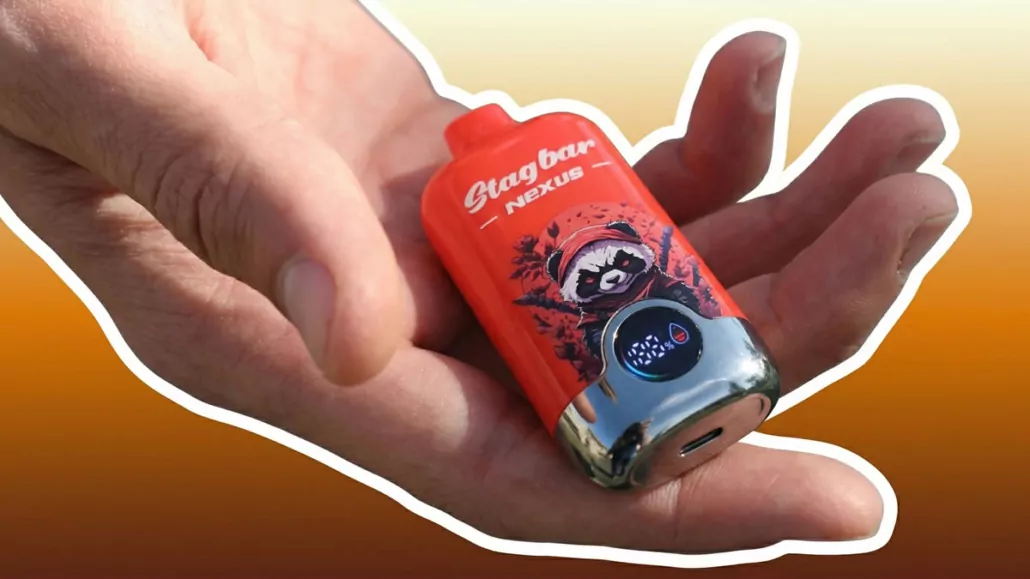
Australia’s aggressive mid-2024 retail vape ban and exorbitant tobacco taxes have triggered an unintended public health crisis. Instead of quitting, consumers are flooding a booming black market for cheap illicit tobacco, driving youth smoking rates up for the first time in decades.
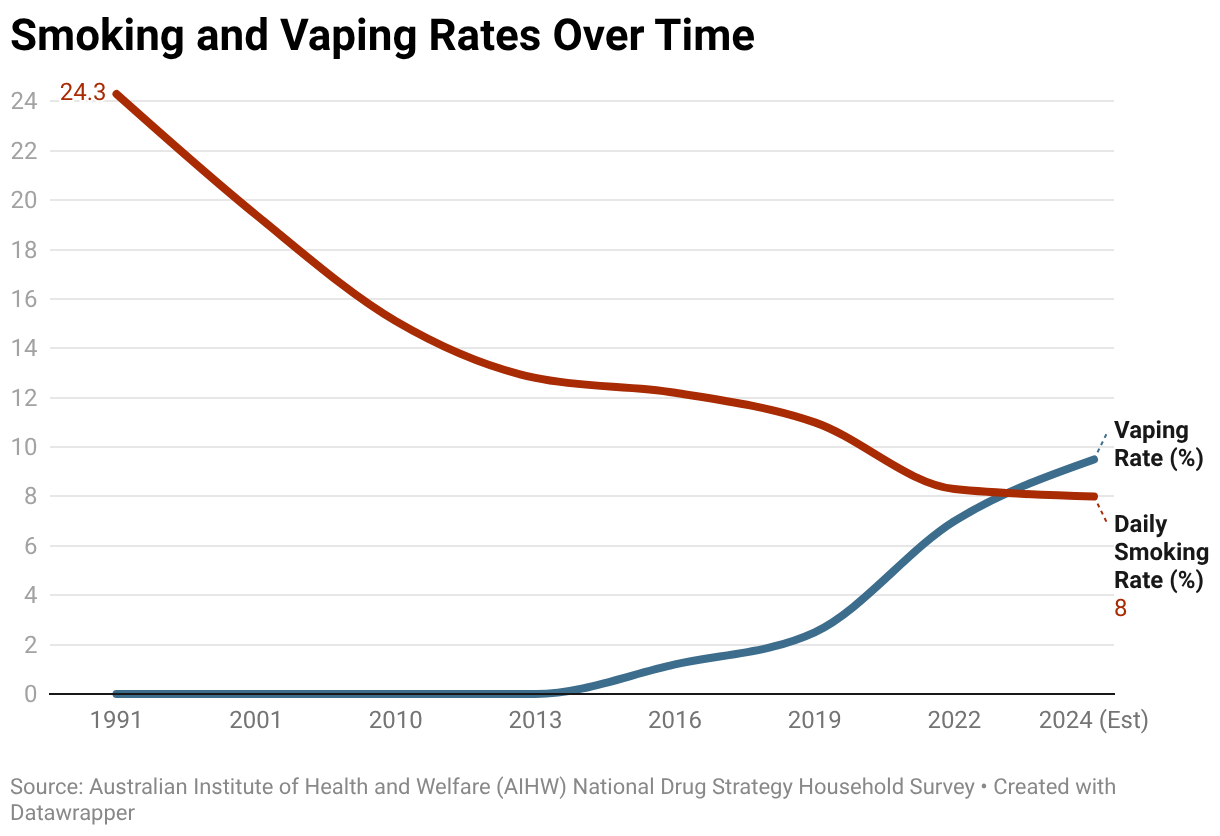
For decades, Australia was the undisputed poster child for global tobacco control. Daily smoking plummeted from nearly a quarter of the population in the early 90s to just over 8% by the early 2020s. But that victory lap was premature. The reality on the ground today is far grimmer. While legal smoking rates look low on paper, alternative nicotine consumption is exploding. Between 2019 and 2022, vaping jumped from 2.5% to 7%. And that was before the government fundamentally misread the market and enacted policies that accidentally revived the combustible cigarette.
The Mid-2024 Policy Disaster
Here’s the problem. In mid-2024, the Australian government effectively nuked the retail vaping industry. They forced all nicotine vapes into a highly restrictive, pharmacy-led model. Independent vape shops were shuttered overnight. Established local businesses were forced to flee to New Zealand. The policy intent was to curb youth uptake and heavily regulate nicotine. The actual result? A catastrophic shift in consumer behavior.
Before this ban, vaping in Australia had a strong hobbyist element. Adult smokers used refillable devices to actively step down their nicotine intake. It required effort, but it worked. When you strip away a legal harm reduction tool and make it harder to access than combustible tobacco, people don’t just quit. They find workarounds.
The Economics of the Black Market
Let’s look at the raw economics. A legal pack of heavily taxed in Australia now costs upwards of $50. Walk into the right corner store, and you can grab an illicit, unbranded pack for $15. It is basic math. Dr. Zhe Wang from the Queensland Alliance for Environmental Health Sciences confirmed that rising legal costs are directly pushing users underground.
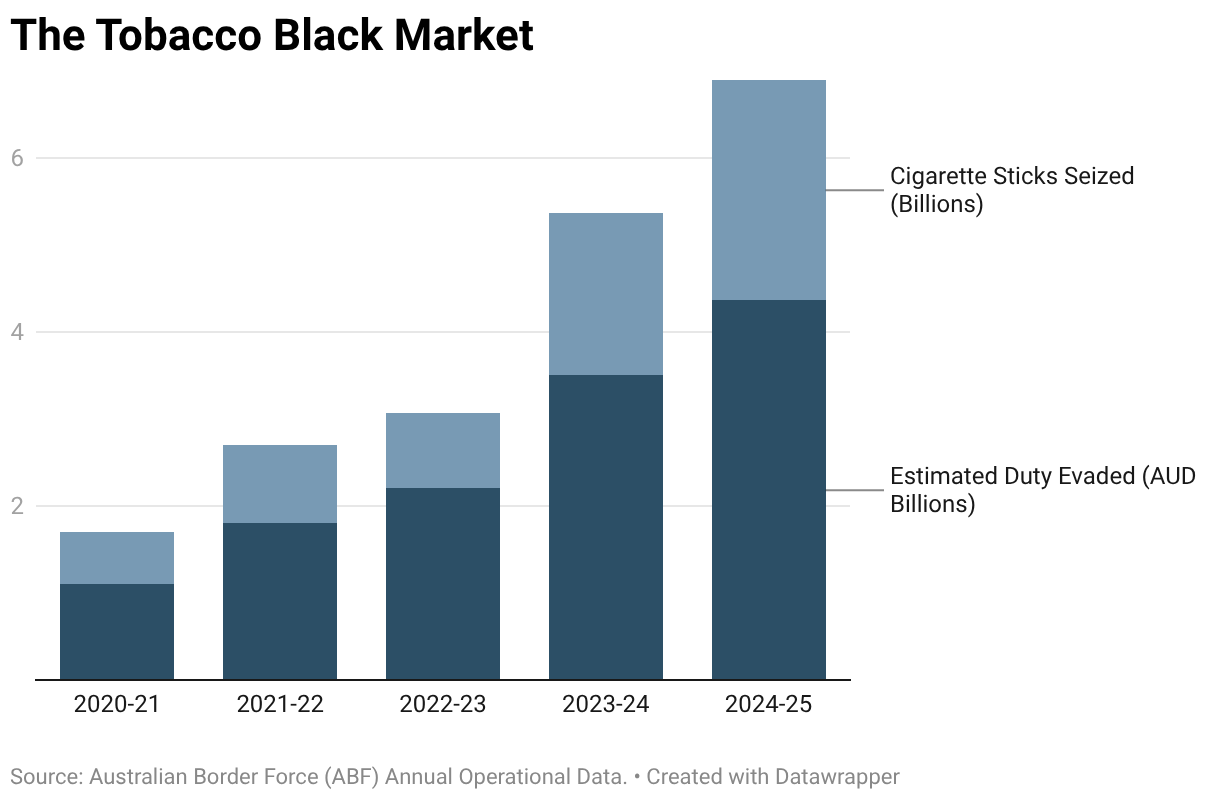
The scale of this shadow economy is staggering. Wastewater analysis from the University of Queensland shows nicotine consumption from vaping and other products surged from 5.4% to 26.3%. At the borders, the Australian Border Force seized over 467 tonnes of illicit tobacco between October and December 2025 alone. That represents roughly $1 billion in lost tax revenue. And authorities openly admit this is just a fraction of what slips through. As Assistant Minister for Customs Julian Hill bluntly stated, cheap smokes are now backed by a “ridiculously ubiquitous retail distribution network.”
The Quitting Trap
What about traditional quitting methods? They are financially out of reach for many. Heavy smokers looking to use legal Nicotine Replacement Therapy (NRT)—like patches combined with gums or sprays—face bills exceeding $200 a month. That is hardly a financial incentive to stop smoking. Lisa Wood, a researcher at the University of Notre Dame, noted the mixed messaging. Smokers are actively questioning why government-backed support is so prohibitively expensive.
Consequently, relapse rates are brutal. The Australian Institute of Health and Welfare reports that 61.5% of Australians who try to quit relapse within just three years. Small shifts in cost or access don’t just deter new users; they actively sabotage people who were already trying to stop.
Youth Smoking Returns
The most damning evidence of this policy failure sits with the youth demographic. According to 2025 data from Roy Morgan, smoking rates among 18 to 24-year-olds are actually ticking back up, breaking a long-term downward trend. Their combined smoking and vaping rate now sits at 28%, the highest of any age bracket.
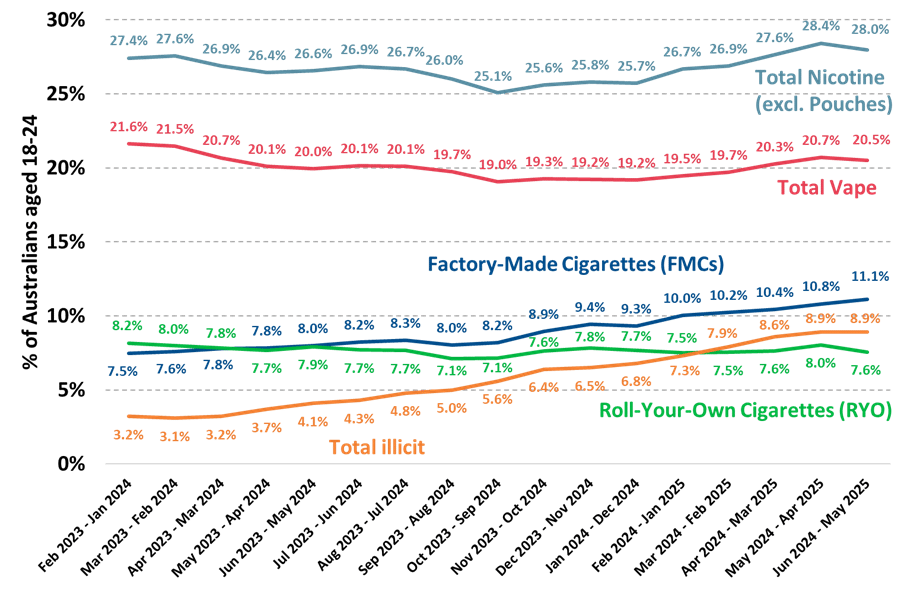
University of Queensland researcher Cheneal Puljevic called it out clearly: vapers are switching back to combustible tobacco because vapes are now too expensive and hard to get. It is a textbook policy failure. Higher taxes, tighter controls, and pharmacy-only models sound great in a legislative chamber. But on the streets, this tangled web of restrictions has simply made cheap, illicit cigarettes the easiest option available.

- Indonesia: Denpasar Updates Smoke-Free Bylaw to Tighten Vape Rules - October 20, 2026
- Teen Girls Surpass Boys in Vaping Rates, Reversing Historic Trends - October 20, 2026
- Alabama: Irondale Proposes Public Vaping Ban with Fines Reaching $200 - October 20, 2026
Related posts:
 British American Tobacco Urges Stricter Vaping Regulations
 Flight Attendant Explains Why Vapes and IQOS Are Banned on Airplanes
 The Comprehensive Guide to Vaping While Travelling Rules – Stay Legal on Your Journey
 Finland Vaping Regulations Guide for Vape Business Owner
 Singapore Cracking Down on Tourists Bringing Vapes
 10 Benefits of Vaping Over Smoking: Pros & Cons

