The Death of the American Vape Shop: An American Tragedy
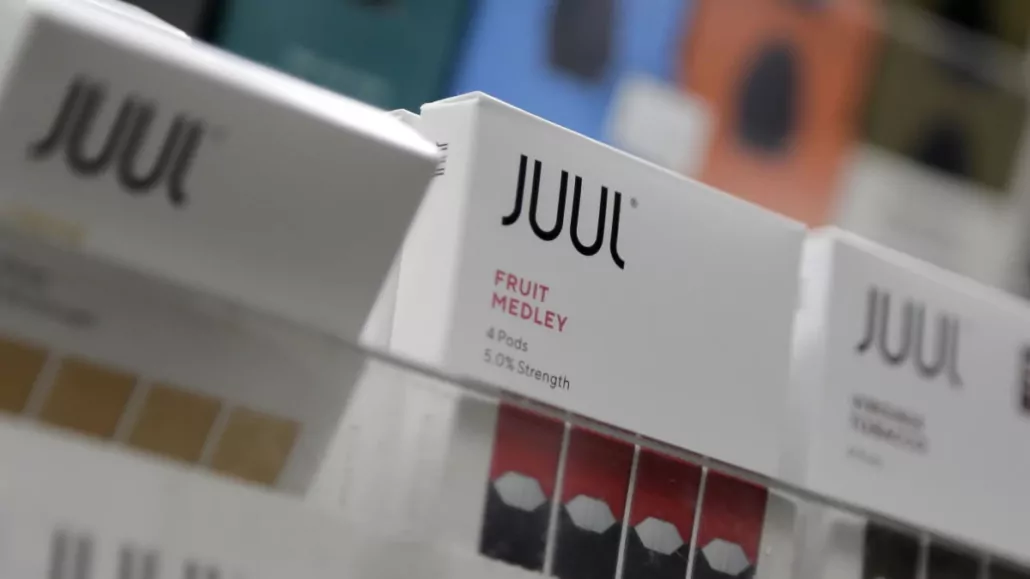
In the annals of American enterprise, few industries have risen as quickly or faced such a precipitous, policy-driven fall as the independent vape shop. For a brief, vibrant period, these storefronts were beacons of a modern American dream—started by former smokers turned evangelists, hobbyists turned innovators, and entrepreneurs who saw a genuine opportunity to offer a less harmful alternative to combustible tobacco. They were the heart of a grassroots harm reduction movement that helped millions of adults quit smoking. But today, that movement is being systematically dismantled. Through a combination of crushing regulatory overreach, corporate favoritism, and a pervasive moral panic disguised as public health, the American vape shop is dying. This is not just the story of a failing business model; it’s the story of how a promising public health revolution was stifled, leaving behind a trail of shuttered small businesses and a market increasingly consolidated in the hands of the very industry it sought to disrupt.
The trajectory of the American vape shop bears far too many parallels to Arthur Miller’s Willy Loman to be dismissed. These shops once embodied the American dream. Over several years, these often brightly lit, welcoming storefronts appeared across the country – in suburban strip malls, on bustling downtown streets, and in quiet neighborhoods from coast to coast. They weren’t extensions of large tobacco conglomerates; they were founded and run by everyday people. Many were started by adults who had successfully quit smoking using these new technologies and wanted to pay it forward. Others were launched by hobbyists and innovators who mixed their own e-liquid flavors in their kitchens and turned those experiments into thriving small businesses.
These shops were more than just retail spaces; they were community hubs and educational centers. They didn’t just sell products – they helped build and refine them. From the early “cigalikes” (which the FDA initially tried to regulate as unapproved medical devices) to the more complex open-system mods, tanks, and ultimately the user-friendly pod systems, independent vape shops were at the forefront of innovation, constantly responding to consumer needs and feedback. They offered adult smokers not just a product, but information, guidance, and a diverse array of options tailored to individual needs. They understood that what helps someone quit Marlboros might not be what helps someone trying to quit Virginia Slims. Choice was critical. So was community.
Then, just as in Miller’s classic tragedy, came the squeeze.
The Regulatory Squeeze: From Control Act to Deeming Rule
The first major shift came in 2009. After relentless pressure from anti-tobacco lawmakers like Democratic Illinois Senator Dick Durbin, President Barack Obama signed the Family Smoking Prevention and Tobacco Control Act. This landmark legislation granted the FDA sweeping authority to regulate all tobacco products. Crucially, it included a “premarket review” provision, requiring that any “new” tobacco product – defined as any product not on the market as of February 15, 2007 – undergo a formal and rigorous application process just to stay on the market. At the time, the law was primarily aimed at traditional cigarettes, but the seeds of future conflict for the nascent vaping industry were sown.
In 2016, the FDA officially fired the starting gun. Through its “Deeming Rule,” the agency officially classified e-cigarettes and all other nicotine alternatives as “tobacco products,” thereby subjecting the entire industry to the Tobacco Control Act’s premarket review requirements. This meant that virtually every single vapor product developed in and sold by independent vape shops since 2007 was now retroactively considered a new, unapproved tobacco product that would need to seek formal authorization to remain on the market.
The Public Health Crusade and the Rise of a Narrative
Around the same time, beginning in 2015, a powerful public health narrative began to take shape, backed by government bureaucrats and the immense financial resources of billionaire former New York City mayor Michael Bloomberg. This crusade, often led by the Centers for Disease Control and Prevention (CDC), painted e-cigarettes not as a harm reduction tool for adult smokers, but as a dangerous new threat, particularly to youth.
Then-CDC Director Tom Frieden insisted that vaping was merely a ploy by large tobacco companies to hook a new generation and claimed it would inevitably lead young people to start smoking traditional cigarettes. His successor, Brian King, who until early 2024 was the director of the FDA’s Center for Tobacco Products, echoed this sentiment, declaring that the CDC rejected any notion that replacing cigarettes with e-cigarettes was beneficial and argued that vaping was causing kids to smoke.
This narrative often ignored the growing body of evidence from institutions like Public Health England, which found vaping to be at least 95% less harmful than smoking. It also overlooked the reality that, at the time, the vaping industry was overwhelmingly composed of small, independent businesses, not Big Tobacco. In fact, when large tobacco companies like Reynolds and Altria first rolled out their own e-cigarette products around 2014, they were met with little fanfare from the established vape shop community, which was focused on its own homegrown innovation.
The JUUL Effect and the Beginning of the End
Then came JUUL. Its sleek, minimalist, easy-to-use design and its use of nicotine salts, which delivered a more cigarette-like nicotine hit, changed everything. JUUL was a genuine technological breakthrough in tobacco harm reduction, offering a user experience that was far more effective for many smokers than the bulky, maintenance-heavy devices that had preceded it. Small, independent manufacturers were forced to pivot and adapt, moving away from their open-system mods and towards more compact pod systems to keep up with consumer demand.
But JUUL’s immense success, particularly its appeal to young people, also triggered a massive public health backlash and intensified the regulatory scrutiny. It also marked the beginning of the end for the independent vape shop. JUUL’s multi-billion dollar investment deal with Altria, the parent company of Philip Morris USA, revealed a stark truth: the future of nicotine was shifting away from combustible cigarettes, and the tobacco industry, seeing this shift, was adapting to survive. But instead of being punished for their historical role in the smoking epidemic, they were, through the regulatory process, about to be protected. Their dream of dominating the new nicotine market survived. The same cannot be said for the independent market.
The Final Blows: Flavor Bans and the PMTA Gauntlet
The final chapters of this story were written by regulatory actions that disproportionately impacted small businesses. In early 2020, President Donald Trump, under immense political pressure, signed an executive order enacting a partial ban on flavored vape pods. While JUUL had already voluntarily removed most of its non-tobacco, non-menthol flavors by then, this move formalized the federal crackdown on the flavors that many adult former smokers preferred.
That same year, the FDA’s premarket tobacco product application (PMTA) deadline arrived. All vapor product manufacturers were required to submit their applications by September 9, 2020 – a deadline that fell squarely in the middle of the COVID-19 pandemic, which had already shuttered businesses and created unprecedented supply chain chaos. The applications themselves were a monumental undertaking, expected to cost hundreds of thousands, and in some cases, millions of dollars per product. This included separate applications for each e-liquid flavor and nicotine strength combination.
Millions of products were submitted by the deadline, and the industry was granted a temporary reprieve while the FDA reviewed them. Then, in 2021, the agency began issuing a wave of Marketing Denial Orders (MDOs). These were not targeted at the tobacco companies. Instead, the FDA issued blanket denials to the small, American-made flavored e-liquids that had helped so many adults quit smoking, often citing a lack of long-term, randomized controlled trials that small businesses could never afford to conduct.
The final, predictable act came in November 2021, when the FDA issued its very first market authorization for an e-cigarette product. It was granted to R.J. Reynolds, the makers of Camel and Newport cigarettes, for its Vuse Solo device. Today, only 39 e-cigarette products are authorized for legal sale in the United States. Four companies hold those authorizations. Three are Big Tobacco companies. The fourth used to be one of them.

ECIGATOR
Ecigator is one of the well-known vape brands spun off from KangSiDe Technology Co., Ltd, it’s an ISO-certified disposable vape manufacturer for OEMs, ODMs, and OBM since 2010. The founder team comes from top firms with more than 10 years of experience in the vaping industry and has devoted thousands of hours to providing users with a better and better experience.
The Death of a Salesman, The Death of a Movement
The American vape shop was more than just a store. It was a place of education, support, and community. It was where a 40-year smoker could walk in, confused and desperate, and find a knowledgeable former smoker who could guide them through the different devices and liquids, offering personalized advice to help them finally break free from combustible tobacco. This vital human element, this lived experience, cannot be replicated by a 16-year-old cashier at a gas station selling a limited range of tobacco-company-owned, FDA-authorized products.
As Willy Loman famously pleads to his boss in “Death of a Salesman,” “You can’t eat the orange and throw the peel away — a man is not a piece of fruit.” Yet, that is precisely what has happened to America’s independent vape shop owners. Their innovation was harvested by larger players, their success was exploited by a regulatory system that favored corporate resources, and their crucial contributions to public health have been systematically erased from the narrative.
Their deaths have been quiet. Their storefronts have faded away, one by one. Their vital role in helping more than 20 million American adults quit smoking has received no official recognition. Only silence. The American vape shop, once a symbol of entrepreneurial spirit and a powerful force for harm reduction, has become another casualty of a system that, in its quest for a perceived and narrow form of public health purity, ultimately chose to protect the very industry it was created to regulate.
- Read full: The Death of the American Vape Shop

- Indonesia: Denpasar Updates Smoke-Free Bylaw to Tighten Vape Rules - October 20, 2026
- Teen Girls Surpass Boys in Vaping Rates, Reversing Historic Trends - October 20, 2026
- Alabama: Irondale Proposes Public Vaping Ban with Fines Reaching $200 - October 20, 2026