
The End of Disposables: Why Refillable Vapes Are the Future
The era of the disposable vape—a triumph of convenience over foresight—is officially winding down. For years, the industry flooded the market with brightly colored devices designed to be discarded after three days, creating an environmental disaster of lithium batteries and plastic waste. In the UK alone, 8 million units were tossed weekly before a ban took effect in June 2025. Now, as regulations tighten globally, the market is correcting itself. The future isn’t about inventing something new; it’s about the renaissance of the refillable device.
Key Takeaways
- The Disposable Ban: The UK banned disposable vapes in June 2025 to curb the 5 million weekly discards polluting the environment.
- Refillable Renaissance: Modern pod systems are now draw-activated and leak-resistant, solving the “fiddly” issues of early devices.
- Safety Gap: Cheap disposables often lack battery protection circuits, posing fire risks that regulated refillable kits are designed to prevent.
- Cost Efficiency: While upfront costs are higher, refillable systems are dramatically cheaper long-term compared to a disposable-a-day habit.
- Market Correction: The shift proves that throwaway devices were never necessary for smoking cessation, provided alternatives are user-friendly.
The Environmental “Design Flaw”
The lifecycle of a disposable vape reveals an absurdity that defined an era. These devices managed to make vaping—a cleaner alternative to smoking—look irresponsible. Each unit contained a lithium battery and circuit board designed to outlast the user by centuries, yet they were engineered for 72 hours of use. The result was a plague of “vape carcasses” in gutters and playgrounds, and frequent fires in recycling facilities.
The UK’s June 2025 ban was a direct response to this waste. It forced a question the industry had avoided: If throwaways are out, what fills the gap? The answer lies in technology that has been hiding in plain sight.
The Refillable Renaissance: No Engineering Degree Required
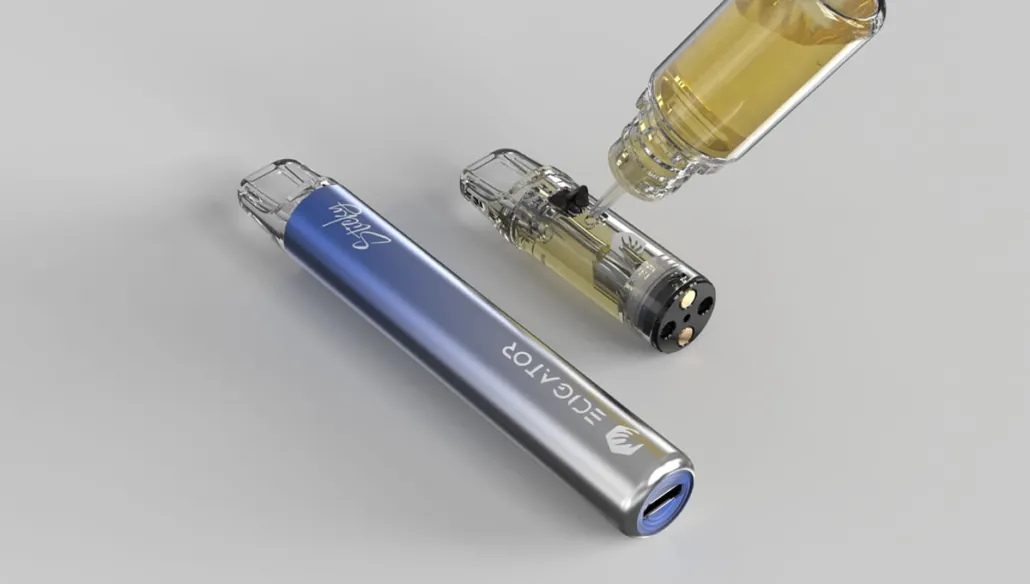
A deep dive into current hardware specs shows that the “fiddly” reputation of early refillables is outdated. The new generation of pod systems—stocked by major retailers like Ecigator—is designed to replicate the convenience of disposables without the guilt. Gone are the days of leaking tanks and complex coil-building tutorials. Modern devices are sleek, draw-activated, and built for smokers who want a nicotine delivery system, not a hobby.
This shift addresses the primary barrier to entry. Manufacturers have spent years refining battery life and portability, ensuring that carrying a refillable device no longer feels like hauling “clunky mods of 2016.”
Comparison Matrix: Disposable vs. Refillable
The trade-off between convenience and quality is no longer a valid argument. Refillables now win on almost every metric.
| Feature | Disposable Vape | Modern Refillable Pod |
|---|---|---|
| Lifespan | 3-5 Days | Years (Rechargeable) |
| Safety | Variable; often lacks venting | Regulated protection circuits |
| Consistency | Performance drops as battery drains | Consistent output from first puff |
| Cost | High recurring daily cost | Low recurring cost (e-liquid only) |
| Waste | 1 Lithium battery per unit | Zero battery waste (rechargeable) |
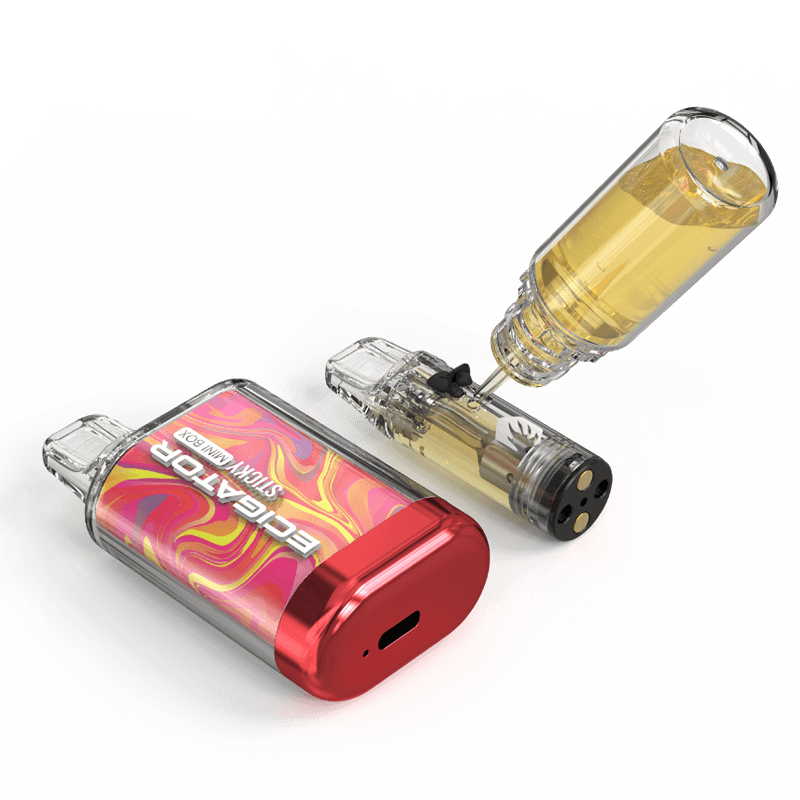
Ecigator Sticky Open Pod Kit (Box)
The Sticky Open Pod Kit is a contemporary vaping device that combines functionality with fashion. This kit is designed with a box-style form factor, offering a compact and stylish appearance that’s ideal for vaping enthusiasts on the move.
At the heart of this kit is a Refillable Open Pod System, with a capacity of 2ml, perfect for accommodating a variety of e-liquids. The pod is equipped with a high-quality Mesh Coil that not only ensures a rich and flavorful vaping experience but also boasts durability for up to 8 Refills.
The Quality and Safety Gap
Beyond the environment, there is the critical issue of safety. Teardowns of off-brand disposables often reveal units lacking proper battery venting or protection circuits—a polite way of saying they are fire hazards. Cheap disposables are designed to be cheap; regulated refillable kits are designed to shut down safely if a fault occurs.
Consistency is another factor. Disposables wane as they drain, delivering a progressively worse experience. Regulated devices provide a consistent hit from the first puff to the last, a reliability that is crucial for smokers trying to quit. As the text notes, “The last thing you need is a device that deteriorates in tandem with your resolve.”
The British Experiment: A Blueprint for the US?
The post-ban data in the UK offers a preview for American regulators. Britain has effectively become a “refillable-only” market, a live experiment testing whether disposables were ever necessary for cessation. Early signs are encouraging: vapers outnumber smokers, and this trend began before the disposable boom. This suggests that throwaway vapes were a detour, not a destination.
For American consumers facing a cost-of-living squeeze, the financial argument is undeniable. A refillable kit and a bottle of juice cost a fraction of a daily disposable habit. The market is correcting itself, driven by regulation and a consumer base realizing that the throwaway era has, appropriately, been thrown away.
Are refillable vapes hard to use?
Not anymore. Modern pod systems are “draw-activated” just like disposables. You simply fill the pod and inhale. The days of complex settings and leaking tanks are largely over for entry-level devices.

- Indonesia: Denpasar Updates Smoke-Free Bylaw to Tighten Vape Rules - October 20, 2026
- Teen Girls Surpass Boys in Vaping Rates, Reversing Historic Trends - October 20, 2026
- Alabama: Irondale Proposes Public Vaping Ban with Fines Reaching $200 - October 20, 2026
Related posts:
 Poland Delays Ban on Selling E-cigarettes to Minors Until Q2 2025
 Decoding the UK E-Cigarette Industry Report: Warning of Compliance Risks
 Mexico’s Vape Ban Fails to Curb Usage but Incubates Black Market
 Top 10 Best Disposable Vapes in the UK 2024
 Illinois Vape Ban in Public Spaces: Regulation vs Prohibition
 Elf Bar Mate 500 Review – Refillable Vape Delivers Premium Experience

