Malaysia Vape & Tobacco Regulations 2025: The Complete Industry Guide
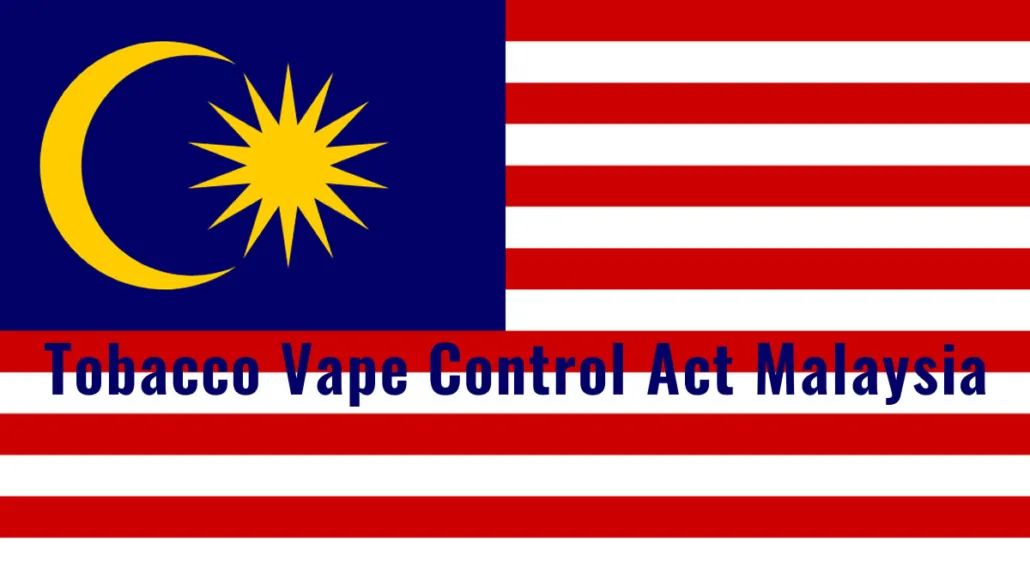
Malaysia has fundamentally reshaped its vaping landscape with the enforcement of the Control of Smoking Products for Public Health Act 2024 (Act 852). As of October 1, 2024, strict new rules govern sales, packaging, and public use. Crucially, by October 1, 2025, all vape products must be registered with the Ministry of Health (MOH), and nicotine content will be capped at 20mg/ml. Unregistered products will be banned from the market.
Key Takeaways:
- Registration Deadline: All vape products must be MOH-registered by Oct 1, 2025.
- Nicotine Cap: Maximum nicotine strength drops to 20mg/ml on Oct 1, 2025.
- Sales Bans: Online sales and vending machines are strictly prohibited.
- School Buffer: No sales within 40 meters of educational institutions.
- Packaging: Graphic health warnings must cover 65% of packaging.
The Control of Smoking Products for Public Health Act 2024 (Act 852) refers to Malaysia’s landmark legislation that officially regulates vape products alongside traditional tobacco. This comprehensive law, which came into force on October 1, 2024, marks a decisive shift from a largely unregulated grey market to a strictly controlled industry. For consumers, retailers, and importers, understanding these new rules is no longer optional—it is essential for legal compliance and avoiding severe penalties. This guide provides an in-depth look at Malaysia’s current and upcoming vaping laws, breaking down the critical changes that are redefining the market in 2025.
The New Legal Framework: Act 852 Explained
The enforcement of Act 852 is not just a routine update; it represents a complete overhaul of how smoking and vaping products are treated in Malaysia. The Act aims to “denormalize” nicotine use and protect public health, particularly among youth. It replaces previous controls under the Food Act 1983 with a dedicated, robust legal structure.
Under this new framework, “smoking substances” are defined to include any material containing nicotine, propylene glycol, glycerol, or triethylene glycol intended for smoking—placing vape liquids firmly under regulatory scrutiny. An “electronic cigarette” is defined as a handheld device equipped with an aerosol generator, battery, and liquid storage compartment.
Key Regulatory Milestones and Dates
The implementation of Act 852 is phased to allow the industry time to adapt. Here are the critical dates you need to know:
| Requirement | Effective Date | Impact |
|---|---|---|
| General Regulations (Sale, Labelling, Display) | October 1, 2024 | Immediate enforcement of sales bans and display rules. |
| Minimum Price (RM12.00) | October 1, 2024 | Price floor established to deter youth access. |
| Product Registration Deadline | October 1, 2025 | Unregistered products will be banned from the market. |
| Nicotine Concentration Limit (20 mg/ml) | October 1, 2025 | Reduction from current 35 mg/ml cap. |
| Maximum Pod/Cartridge Volume (2 ml) | October 1, 2026 | Reduction from current 3 ml limit for disposables/pods. |
Strict Sales and Distribution Controls
One of the most immediate impacts of Act 852 is the severe restriction on how and where vape products can be sold. The government has moved to a “physical-only” retail model with tight geographical limits.
The “Digital Dark-Out”: Online Sales Ban
Regulation 3 of the new law introduces a total ban on online sales. This means vape liquids and devices can no longer be legally sold via e-commerce platforms, social media, or dedicated websites for delivery to consumers. The era of “point-and-click” nicotine consumption is effectively over. Additionally, the use of vending machines for any smoking product is strictly prohibited, removing another high-convenience, low-supervision channel.
The 40-Meter School Buffer Zone
To protect minors, Regulation 4 establishes precise “buffer zones” around educational institutions. Sales are prohibited:
- Inside any school or higher education institution.
- Within 40 meters of the boundary or fence of these institutions.
- Within 3 meters of any entrance to a school/kindergarten if located within a commercial building.
- At temporary locations like market stalls (“pasar malam”) or pop-up booths.
This effectively bans the “pop-up” marketing tactics often seen at events and forces retailers to ensure their physical location is compliant with these distance rules.
Point-of-Sale Display Restrictions
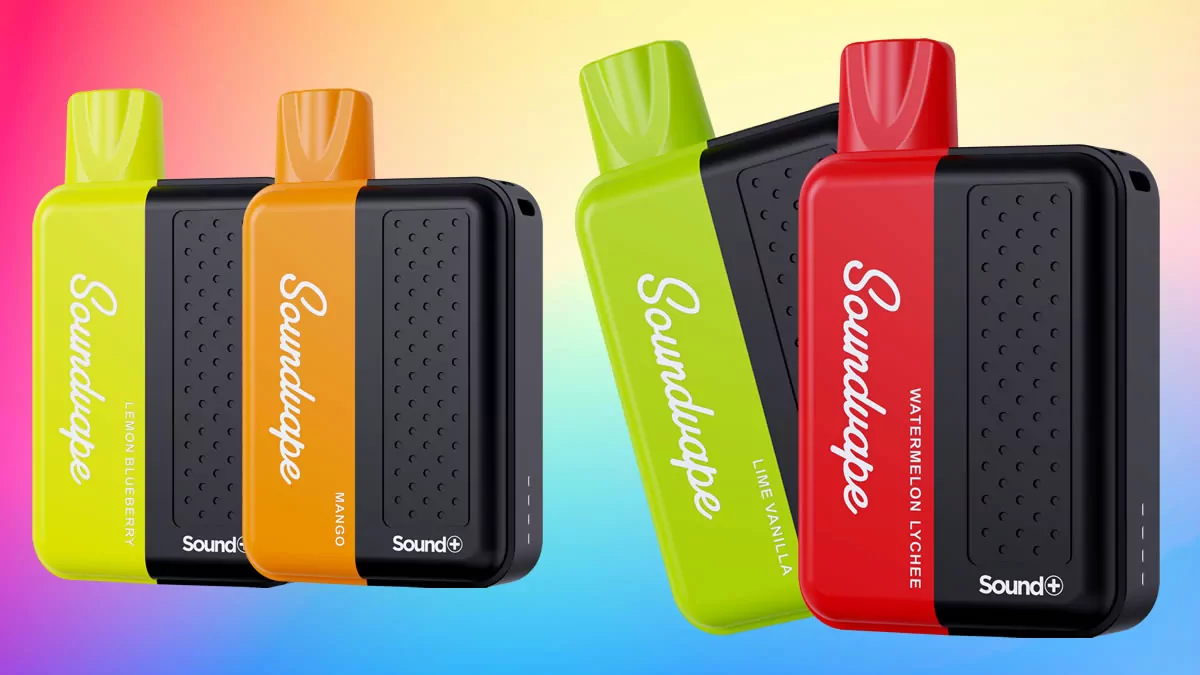
Vape products can no longer be openly displayed to the public. They must be kept in closed cabinets or behind counters, visible only upon request. “Specialized stores” (licensed vape shops) have slightly more leeway but must ensure products are not visible from the outside. All retailers must display a mandatory warning sign (50cm x 60cm) featuring a “No Under 18” symbol and specific warning text in Bahasa Malaysia.
Product Registration and Safety Standards
The “Wild West” days of unregulated vape juices are ending. The Ministry of Health (MOH) has initiated a rigorous product registration process.
Mandatory MOH Registration
All smoking products, including vape liquids and devices sold as a unit, must be registered with the MOH. The registration window opened in October 2024 and closed in April 2025. The MOH is currently evaluating these applications, with approvals expected by October 1, 2025. After this date, any product not registered with the MOH will be illegal to manufacture, import, or distribute.
Dr. Hairul Nizam from the MOH clarified that products must undergo laboratory testing at designated labs to screen for prohibited substances like illicit drugs (e.g., “magic mushrooms”). Products containing suspicious ingredients will be rejected outright. Retailers must ensure they only stock products with a valid MOH registration certificate. Updates on registered products can be accessed through the MOH’s official portal.
Nicotine and Volume Caps
Aligning with global standards like the EU’s TPD, Malaysia is enforcing stricter technical limits:
- Nicotine Strength: Currently capped at 35mg/ml, the maximum allowed concentration will drop to 20mg/ml starting October 1, 2025.
- Pod Capacity: The maximum volume for disposable pods or cartridges will be reduced to 2ml by October 1, 2026.
These measures aim to reduce the addictive potential and “throat hit” of products, making them less intense for new users.
Packaging, Labeling, and Marketing Bans
Act 852 strips the industry of its ability to market “lifestyle” or “premium” products through packaging.
Graphic Health Warnings
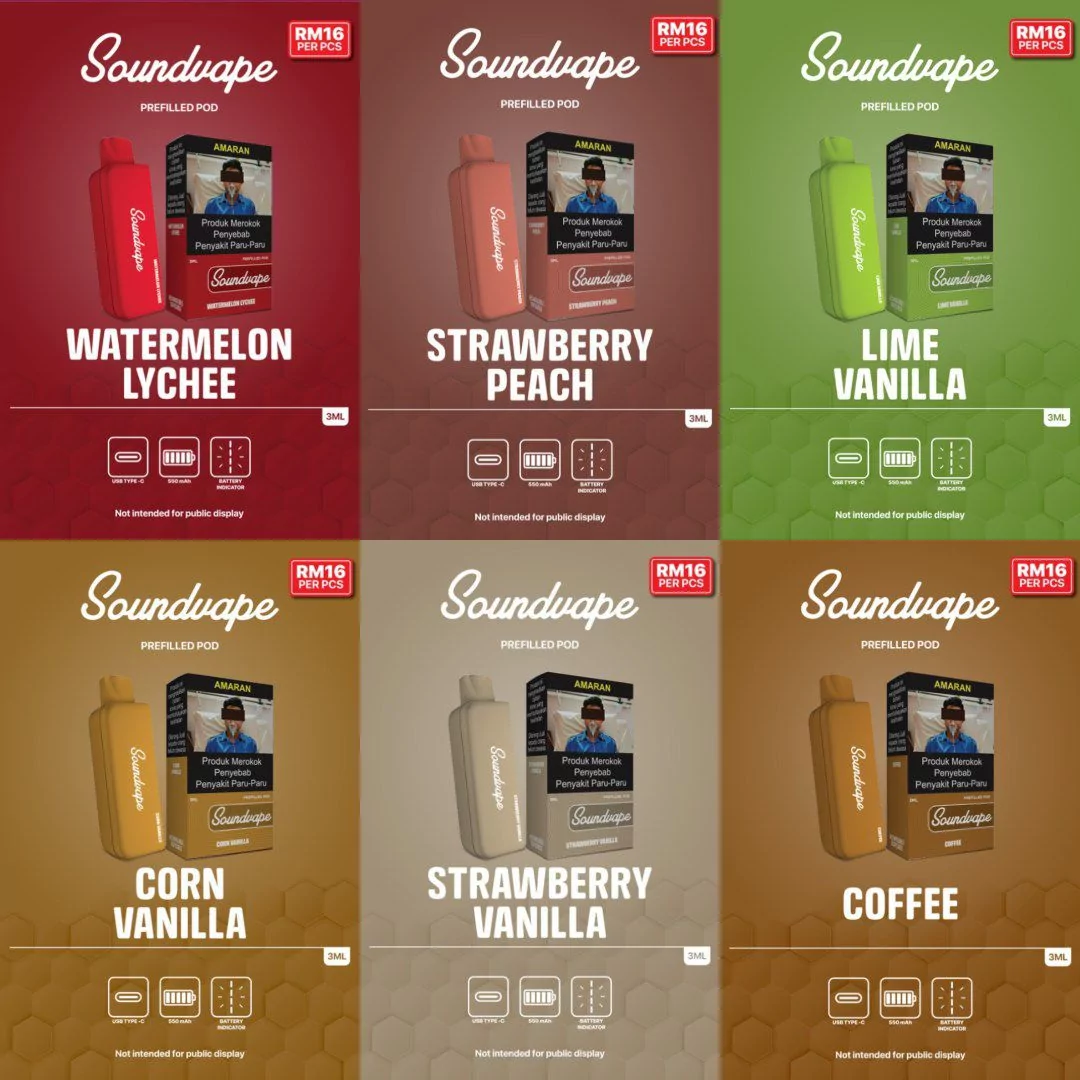
Packaging must now feature graphic health warnings covering 65% of the front and back panels. These images must be printed in high resolution (at least 300 dpi) and depict the visceral realities of smoking-related diseases like cancer and premature birth.
Prohibited Descriptors
The use of misleading terms that imply safety or prestige is banned. Prohibited words include:
- “Light,” “Mild,” “Low Tar,” “Cool” (implies reduced harm).
- “Premium,” “Special,” “Full Flavour” (implies prestige).
- “Slim,” “Grade A,” “Golden” (implies physical superiority).
Advertising Ban
All forms of direct and indirect advertising are prohibited. This includes sponsorships, giveaways, contests, and any branding that promotes a vaping “lifestyle.” Vape devices must not resemble toys or food items to prevent appeal to minors.
Import Regulations for 2025
For businesses looking to bring vape products into Malaysia, the barriers to entry have been raised significantly. For detailed legal context, resources like Tobacco Control Laws provide comprehensive overviews.
Who Can Import?
Importing is restricted to registered businesses only. Personal imports are highly restricted and typically require special approval. Importers must be registered entities under Act 852 and prove their products meet all health standards.
Documentation and Customs
Successful customs clearance requires:
- Import Permit: Mandatory for nicotine-containing products.
- Product Certification: Proof of compliance with nicotine limits and safety standards (SIRIM certification for devices).
- Customs Declarations: Detailed forms for duty calculation.
Non-compliance can result in the seizure of goods, heavy fines, and even business closure. Importers must be acutely aware of the upcoming nicotine cap reduction to 20mg/ml in October 2025 to avoid importing unsellable stock.
Taxation: The Economic Control
To further discourage use and generate revenue, Malaysia imposes excise duties on vape products.
- E-Liquids: Taxed at 40 sen ($0.09) per milliliter.
- Minimum Price: A price floor of RM12.00 per packet is mandated for cigarettes and heated tobacco products to prevent “budget” pricing strategies.
Manufacturers were required to register with the Customs Department by April 2023 to ensure tax compliance. This fiscal policy works in tandem with the regulatory measures to control the market.
Conclusion: Adapt or Exit
Malaysia’s vaping regulations in 2025 represent a sophisticated, multi-pronged strategy to reclaim public health. By combining a digital sales ban, physical buffer zones, strict product standards, and aggressive packaging rules, the government is effectively “boxing in” the nicotine industry. For businesses, the message is clear: compliance is the only path forward. The “grey market” era is over. Those who can adapt to the 20mg/ml limit, secure MOH registration, and navigate the physical retail landscape will survive. For consumers, the market will become safer and more standardized, but also more restricted and potentially less potent.
Reference:
- Retrieved from: https://selangorkini.my/2025/02/polis-bongkar-makmal-haram-proses-cecair-vape-ada-dadah-di-seri-kembangan/
- Retrieved from: https://www.bharian.com.my/berita/kes/2025/03/1368467/sindiket-guna-kondo-mewah-proses-vape-berisi-dadah-polis
- Retrieved from: https://www.moh.gov.my/index.php/database_stores/store_view/57?search=akta+852
- Control of Smoking Products For Public Health (Control of Sale) Regulations 2024;
- Control of Smoking Products for Public Health (Packaging and Labelling) Regulations 2024;
- Control of Smoking Products For Public Health (Registration of Tobacco Product, Smoking Substance and Substitute Tobacco Product) Regulations 2024;
- Control of Smoking Products For Public Health (Declaration of Non-Smoking Area or Place) Order 2024;
- Control of Smoking Products For Public Health (Warning Sign of Prohibition of Smoking) Regulations 2024; and
- Control of Smoking Products For Public Health (Compounding of Offences) Regulations 2024.

- Guyana Bans Recreational Vaping Products - October 19, 2026
- PHILTHRA Urges Risk-Based Vape Taxes as Research Shows 90% Toxin Drop - October 19, 2026
- Eight EU Nations Demand Total Vape Flavor Ban and Market Freeze in TPD Overhaul - October 19, 2026