Mexico Vape Ban Failure: Cartels Profit as Health Suffers
Mexico’s constitutional prohibition on vaping has completely collapsed. Instead of protecting public health, the ban has handed a massive 40-billion-peso market directly to organized crime, fueling illicit trade while depriving adult smokers of combustion-free harm reduction alternatives.
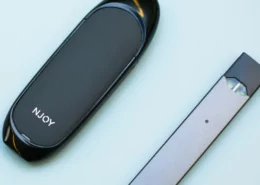
Prohibition rarely works as intended. In Mexico, the sweeping ban on electronic cigarettes has proven to be a disastrous misstep in public health policy. Frederico Monteiro, Regional Director for the Americas and Europe at British American Tobacco (BAT), recently confirmed what industry analysts have long suspected: the ban exists strictly on paper. Rather than curbing nicotine use, the legislation has aggressively incentivized smuggling, frightened off foreign investment, and inadvertently protected the combustible cigarette monopoly.
The Rise of an Unregulated Black Market
Over a year after the reform prohibiting the production and distribution of e-cigarettes took effect, the reality on the ground is grim. Mexico boasts a vaping demographic of roughly 2.5 million users. This lucrative market, valued at a minimum of 40 billion pesos, is now entirely controlled by organized crime syndicates.
These illicit networks distribute substandard devices with zero sanitary oversight. Worse still, unregulated black markets do not ask for ID, making these products easily accessible to minors. The government recently escalated its approach, implementing a new reform in January that punishes the manufacture and sale of vapes with jail time. Yet, local media outlets like Grupo REFORMA continue to document rampant, open sales in major hubs like Nuevo León and Mexico City.
A Step Backward for Harm Reduction
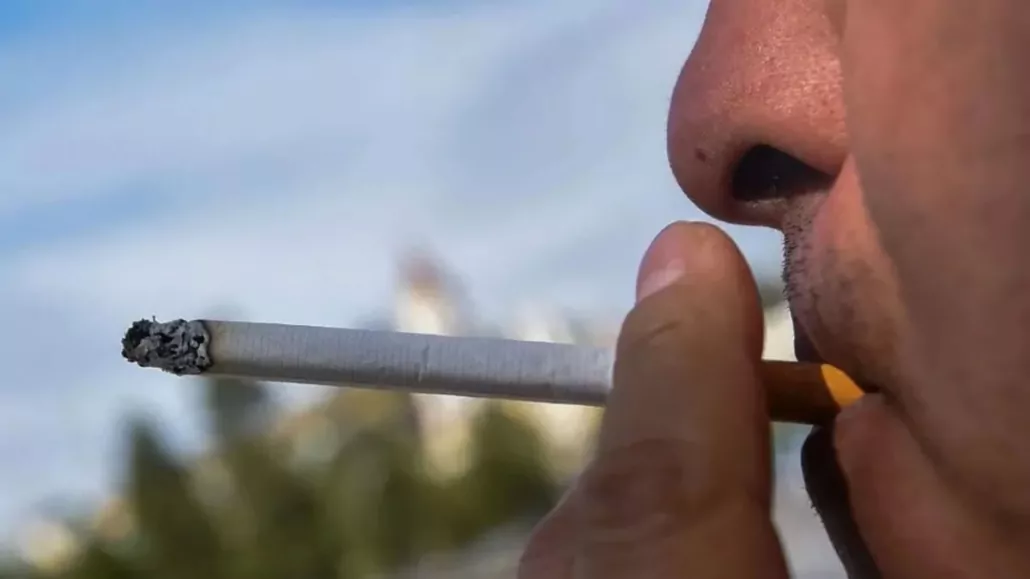
Monteiro highlighted the sheer illogical nature of the policy, comparing the vape ban to fighting obesity by outlawing low-calorie soda. By eliminating products that lack the dangerous combustion process of traditional tobacco, the government has stripped consumers of an alternative estimated to be 95% less harmful.
The legislative sweep was broad. It effectively blocked two of BAT’s three primary smoke-free categories from the Mexican market: traditional e-liquids (which heat humectants and flavorings) and heated tobacco products. Currently, only oral nicotine pouches remain legally permissible, simply because they do not utilize a battery or vaporization mechanism.
Economic Losses and the Global Contrast
The financial fallout is staggering. Had the government opted for strict regulation over outright prohibition, it could have secured immense foreign investment. Companies like BAT would be actively funding local manufacturing, creating legitimate jobs, and contributing massive tax revenues. Instead, the state gets nothing, while cartels pocket the profits.
This approach sharply contrasts with successful international models. First-world nations across Europe, Asia, and North America actively regulate vaping to encourage smoking cessation. Sweden stands out as the ultimate success story. By embracing clinically safer alternative nicotine products, the country has slashed its smoking rate to under 5%, rendering it practically smoke-free.
The fight for a sensible regulatory framework continues. BAT remains in active dialogue with the Ministry of Economy, the Ministry of Health, and COFEPRIS. Their goal is clear: reverse the failed prohibitionist reforms and implement a regulated system that actually addresses the dangers of tobacco smoke.
- Reference: Fracasa en México veto a vapeadores

- Which States Still Grow America’s Tobacco? The Post-Buyout Era - June 17, 2026
- Pennsylvania: Pittsburgh Passes Strict Vape Shop Zoning Bill - June 10, 2026
- Ohio: Yellow Springs Halts New Smoke Shops with 180-Day Freeze - June 10, 2026