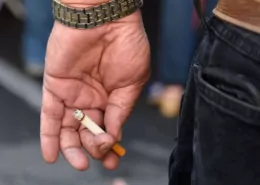
Military Tobacco History: From Rations to Nicotine Pouches
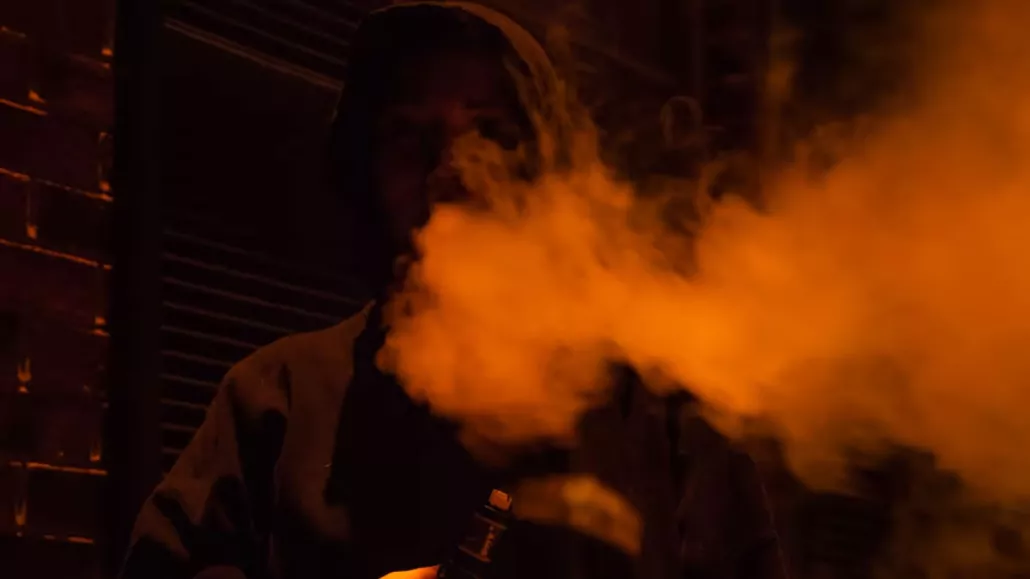
For generations, tobacco was as essential to military life as a rifle or a helmet. During World War II, cigarettes were not demonized as a health risk but celebrated as a “morale booster,” packed directly into rations to steady nerves in the trenches. However, the Department of Defense has since executed a strategic pivot, moving from distributing cigarettes to actively discouraging their use. Despite bans on indoor smoking and price hikes at exchanges, nicotine use persists in the ranks, evolving from combustible tobacco to modern pouches and vapes.
Key Takeaways
- Historical Shift: In WWII, cigarettes were rationed comfort items; today, they are regulated health hazards tied to injury rates.
- Policy Changes: The DoD banned indoor smoking in 1994 and eliminated price discounts on bases in 2016.
- Modern Adaptation: Soldiers are now 10 times more likely to use nicotine pouches than civilians.
- Readiness Impact: Nicotine use is linked to slower recovery times and higher injury rates, directly affecting deployability.
The Evolution of the “Smoke Pit”
The cultural significance of tobacco in the military runs deep. For decades, the “smoke pit” served as an unofficial command center—a place where rank blurred, junior enlisted vented, and NCOs gauged unit morale. While the products have changed, this social function remains intact. Today’s service members are less likely to light up a Lucky Strike and more likely to pop a nicotine pouch or use a vape. These modern alternatives are marketed as discreet and cleaner, fitting seamlessly into both field environments and office settings where traditional smoking is banned.
Timeline: The Military’s War on Tobacco
The transition from promotion to prohibition didn’t happen overnight. It was a gradual response to mounting medical evidence.
- 1940s (WWII): Cigarettes included in rations as essential “morale boosters.”
- 1994: DoD bans smoking inside all military facilities.
- 2016: Pentagon eliminates tobacco discounts at exchanges, raising prices to match civilian markets.
- 2025: Reports confirm soldiers are shifting heavily toward nicotine pouches and vapes.
Data Snapshot: The Cost of Nicotine
While the social bond of the smoke pit remains, the operational cost is becoming clearer. Leaders now balance autonomy with readiness.
| Factor | Impact on Readiness |
|---|---|
| Injury Rates | Significantly higher among nicotine users. |
| Recovery Time | Slower healing for wounds and fractures. |
| Deployability | Long-term health issues reduce available manpower. |
Current Resources and Future Outlook
The military has responded to this persistent habit by expanding cessation resources. Tricare now covers counseling and prescription medications, while base facilities offer nicotine replacement therapies like patches and gum. The goal is no longer just to stop smoking, but to break the nicotine cycle entirely. However, as long as troops operate under sustained stress and long hours, nicotine will likely remain a coping mechanism, shifting forms to evade regulations while keeping the “smoke pit” culture alive.
Do soldiers still get free cigarettes?
No. The days of free cigarettes in rations are long gone. Since 2016, tobacco products sold on bases are priced to match the local civilian market, removing any financial incentive for troops to buy them.

- Which States Still Grow America’s Tobacco? The Post-Buyout Era - June 17, 2026
- Pennsylvania: Pittsburgh Passes Strict Vape Shop Zoning Bill - June 10, 2026
- Ohio: Yellow Springs Halts New Smoke Shops with 180-Day Freeze - June 10, 2026