
UK Vape Flavour Ban Risk: 770,000 May Relapse to Smoking
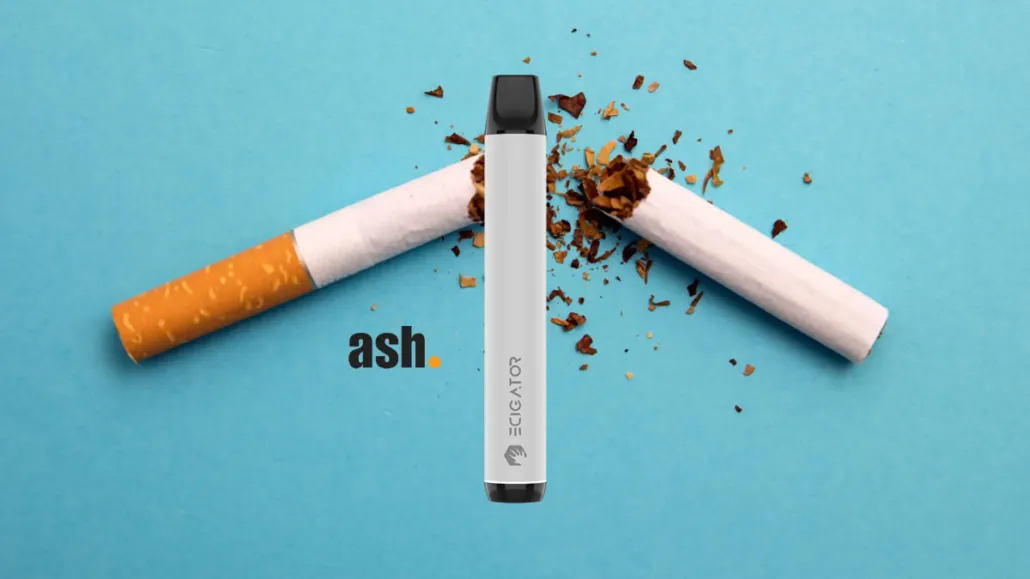
Restricting vape flavors could trigger a massive public health setback, potentially pushing nearly 800,000 former smokers back to cigarettes. A comprehensive new survey by ELFBAR and Opinium reveals that 63% of adult vapers rely on fruit and sweet flavors to stay smoke-free. As the UK Parliament debates the Tobacco and Vapes Bill, data suggests that limiting options to just tobacco, mint, and menthol would disrupt the quitting journey for millions, while simultaneously fueling a booming black market for illicit devices.
Key Takeaways
- Relapse Risk: ASH data estimates 770,000 vapers (14%) would return to smoking if flavors were banned.
- Flavor Dependency: 71% of users say flavor variety is critical to preventing tobacco relapse.
- Illicit Market: 29% of current vapers admit to knowingly purchasing illegal products.
- Single-Use Ban Impact: While 90% shifted to reusables, 15% of respondents have relapsed to smoking since the June 2025 ban.
- Misconception Crisis: 50% of adults still incorrectly believe vaping is as harmful as smoking.
Core Finding: Flavors Are the Firewall Against Smoking
The Opinium survey, part of a longitudinal study of 40,000 adults, identifies flavors as the primary mechanism for smoking cessation success. Over half (53%) of recent ex-smokers used vapes to quit—more than double the number who used nicotine gum (21%) or patches (20%). Eve Peters, ELFBAR’s director of government affairs, argues that fruit and sweet flavors are not just preferences but “critical tools” for permanent cessation. The data supports this: 48% of respondents credited reusable vapes with helping them reduce or stop smoking “a lot.”
“It is essential that the Tobacco and Vapes Bill takes an evidence-based approach to flavours… restricting choices could disrupt established quitting behaviours.” — Eve Peters, Director of Government Affairs, ELFBAR UK.
Data Snapshot: The Unintended Consequences of Bans
The survey highlights the ripple effects of the June 2025 single-use vape ban. While it successfully pushed 90% of users toward reusable devices, it also created a “relapse gap” and a black market surge.
| Metric | Statistic | Implication |
|---|---|---|
| Smoking Relapse | 15% (up from 14%) | Bans are driving some users back to tobacco. |
| Illicit Purchases | 29% of vapers | Nearly 1 in 3 users buy illegal goods. |
| Black Market Awareness | 27% of adults | Illegal sales are visible locally to 1 in 4 people. |
| Reusable Adoption | 90% of vapers | Positive shift toward sustainable devices. |
Practical Application: The Trust Deficit
A significant barrier to a smoke-free UK is the erosion of public trust. The study found that 50% of adults mistakenly believe vaping is as harmful as smoking, a misconception that deters smokers from switching. This lack of confidence extends to retail. Vapers rated their confidence in the legality of products at supermarkets a high 8/10, but only 4/10 for non-traditional outlets like barbershops. This disparity underscores the need for the proposed retail licensing system to crack down on rogue traders without penalizing compliant businesses.
Will banning flavors stop youth vaping?
It’s complicated. While intended to protect youth, the data suggests a ban would disproportionately harm adult ex-smokers (770,000 at risk of relapse) and drive the market underground, where age verification is non-existent.

- Indonesia: Denpasar Updates Smoke-Free Bylaw to Tighten Vape Rules - October 20, 2026
- Teen Girls Surpass Boys in Vaping Rates, Reversing Historic Trends - October 20, 2026
- Alabama: Irondale Proposes Public Vaping Ban with Fines Reaching $200 - October 20, 2026
Related posts:
 Kentucky 2026 Laws: 3.5% Tax Cut & New Vape Regulations
 UK Disposable Vape Ban: ACS Clarifies Rules for Retailers
 Western Australia Bans Vaping in All Enclosed Workplaces
 Juul Labs Settles Underage Vaping Lawsuit with Chicago for $23.8 Million
 Brazil Suspends CNPJ for Smuggled E-Cigarettes, Cigarettes Sales
 Where Tourists Can and Cannot Vape: A Global Guide

