
The Nicotine Paradox: How It Affects the Brain for Better and for Worse
Nicotine, the notoriously addictive compound that has led millions to early deaths through cigarette smoking, is increasingly being consumed on its own through products like e-cigarettes and nicotine pouches. With the global vaping market projected to more than double from $22.5 billion in 2022 to $47.5 billion by 2028, a crucial question emerges: is nicotine simply an addictive substance to be avoided, or does it offer any benefits on its own?
When separated from the thousands of harmful chemicals in combustible tobacco, nicotine itself is far less harmful. It has never been classified as a carcinogen and is not the direct cause of smoking-related diseases like emphysema. Yet, it is the primary reason people smoke. Beyond staving off withdrawal symptoms like irritability and anxiety, many users claim smoking helps them “stay focused,” prompting scientists to investigate nicotine’s direct cognitive effects.
Positive Effects on Attention and Memory in Adults
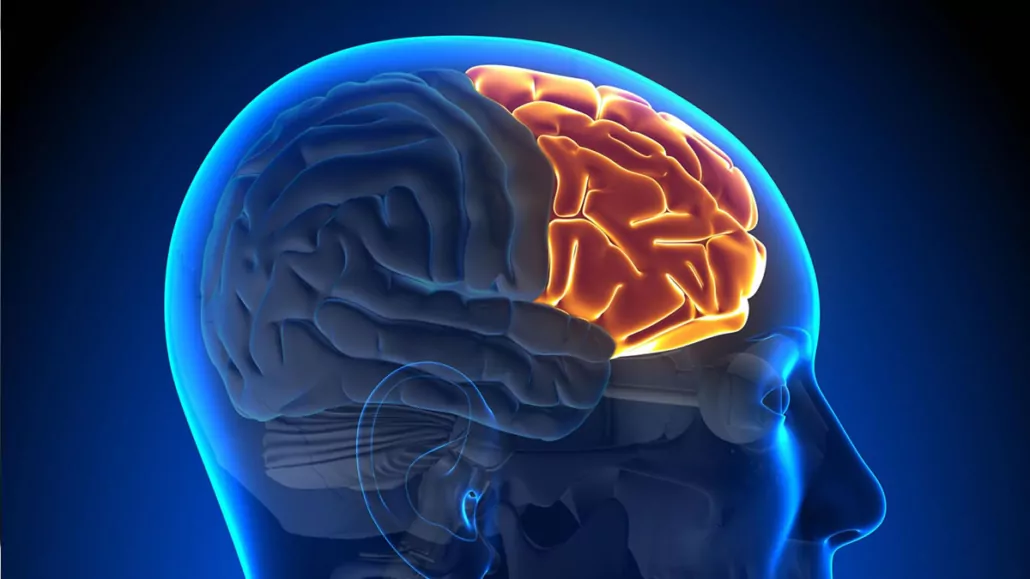
Nicotine acts as a stimulant, prompting neurons to release key neurotransmitters like dopamine, glutamate, norepinephrine, and serotonin. These chemicals are involved in promoting alertness, learning, memory, and motor control. Brain imaging studies confirm that nicotine’s stimulating properties increase blood flow to parts of the brain involved in cognitive function, such as the prefrontal cortex and thalamus.
In 2010, researchers at the U.S. National Institutes of Health reviewed 41 trials on nicotine’s cognitive effects and found that it had “significant positive effects” on attention and memory. This has led to research into its potential therapeutic uses. A 2017 study in Nature Medicine described how nicotine reversed mental deficits in mice with a genetic variant linked to schizophrenia in humans. More recently, a 2023 study found that nicotine improved short- and long-term memory in people with Alzheimer’s and Parkinson’s disease.
The Dark Side: Harmful Effects on Developing Brains
However, nicotine’s influence on brain chemistry has a deeply concerning side, particularly during critical developmental periods. Regular exposure during adolescence or in utero can unfavorably alter brain function. As rigorous testing on humans would be unethical, scientists rely on animal studies, which, while not directly translatable, offer important insights.
One study found that rats exposed to nicotine during adolescence, but not in adulthood, later exhibited more impulsive behavior and a diminished ability to pay attention to visual stimuli. Another study revealed that adolescent rats exposed to nicotine later showed anxious and depressive behaviors. Similar results have been observed in mice exposed to nicotine in the womb.
The Mechanism of Addiction
Nicotine is highly addictive, with some studies suggesting it is as addictive as cocaine. The dopamine it stimulates, particularly in a brain region called the nucleus accumbens, activates the brain’s reward network. This creates a pleasant sensation that, once it fades, produces a powerful craving for more nicotine. This is not unique among psychoactive drugs; alcohol and caffeine can also harm brain development while offering certain benefits to adults. While nicotine’s ability to stimulate mental activity is a clear advantage for some, the powerful dependence it creates should not be taken lightly, especially given its increasing consumption through new products like vapes and pouches, which are highly popular among youth.

- Indonesia: Denpasar Updates Smoke-Free Bylaw to Tighten Vape Rules - October 20, 2026
- Teen Girls Surpass Boys in Vaping Rates, Reversing Historic Trends - October 20, 2026
- Alabama: Irondale Proposes Public Vaping Ban with Fines Reaching $200 - October 20, 2026