
UK Tobacco & Vapes Bill: New Licensing Rules for Retailers
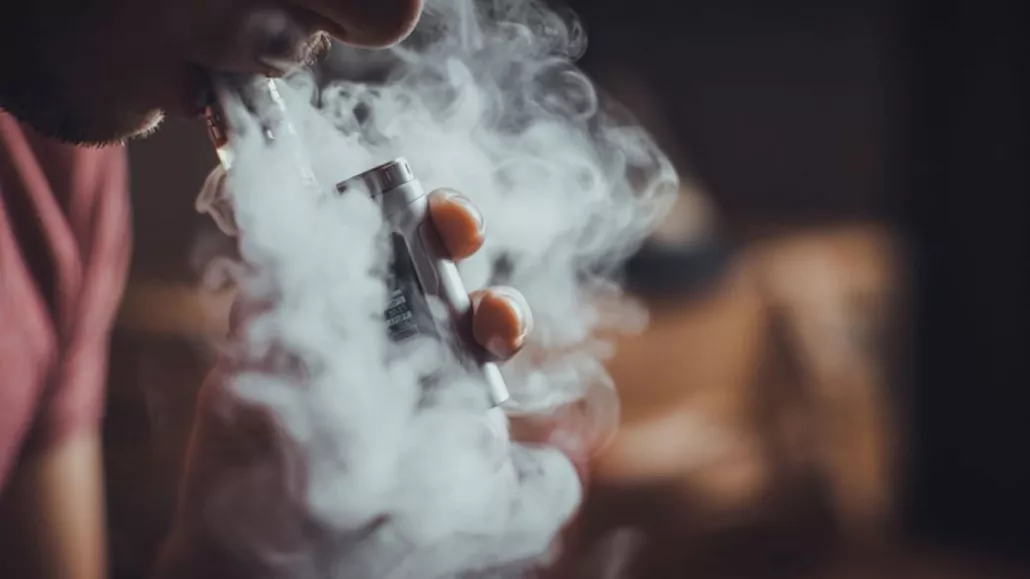
The United Kingdom’s Tobacco and Vapes Bill 2025 represents a fundamental shift in how tobacco, herbal smoking products, cigarette papers, vapes, and nicotine products will be regulated and sold. Beyond its public health goals, the Bill introduces a comprehensive national licensing scheme that will create a new regulatory landscape for retailers, drawing parallels to the existing framework for alcohol licensing but with its own unique complexities.
A headline feature of the Bill is the creation of a “Smoke-Free Generation.” It proposes to make it an offense to sell tobacco products to anyone born on or after January 1, 2009. This phased prohibition, expected to come into force by January 2027 when this cohort begins to turn 18, aims to eradicate smoking-related harm for future generations. Health advocates have strongly supported this measure, with Dr. Charmaine Griffiths of the British Heart Foundation calling it a “once-in-a-lifetime opportunity to protect the next generation.”
The New Licensing Regime: Personal and Premises Licenses
The Bill empowers the Secretary of State to create a national licensing scheme for any business selling tobacco or vape products, whether in-person or online. This new regime will require two types of licenses:
- Personal Licence (Clause 16(1)): Individuals who sell, expose for sale, or possess these products for retail purposes will need to obtain a personal licence.
- Premises Licence (Clause 16(2)): A separate licence will be required for any premises used to store, display, or supply these products to customers.
Operating without the necessary licenses will be a criminal offense under Clause 17 of the Bill, marking a significant increase in regulatory oversight for all retailers in this sector.
Sweeping Enforcement Powers and Penalties
Local authorities and Trading Standards will gain enhanced powers to inspect, enforce, and issue penalties. The proposed consequences for non-compliance are severe:
- Fixed penalty notices of £200 for underage sales.
- On-the-spot penalties of up to £2,500 for operating without a licence.
- For more serious or repeat offenses, selling without a licence could result in unlimited fines and criminal prosecution.
Practical Implications for Businesses
The new licensing framework will have far-reaching implications for a wide range of businesses:
- Retail Density and Location Rules: Local Authorities may be granted powers to refuse licenses in certain locations or restrict the number of licenses granted in specific areas, potentially impacting the density of vape shops, convenience stores, and supermarkets selling these products.
- Hospitality Sector Impact: Venues that offer cigars, shisha, or vape products for sale will fall under the new regime and must ensure they obtain the necessary licenses to remain legally compliant.
- Online Sellers: E-commerce platforms and online retailers will also be required to obtain licenses, introducing new compliance burdens related to age verification and delivery controls.
While the Bill signals a decisive move towards tighter regulation, many details of the licensing framework, such as application criteria, renewal processes, and appeal rights, will be shaped by secondary legislation, leaving some uncertainty for businesses. The Bill is currently at the committee stage in the House of Lords and will undergo further consideration before becoming law, which is anticipated in early 2026. The implementation of the retail licensing scheme itself is expected around September 2026.

- Indonesia: Denpasar Updates Smoke-Free Bylaw to Tighten Vape Rules - October 20, 2026
- Teen Girls Surpass Boys in Vaping Rates, Reversing Historic Trends - October 20, 2026
- Alabama: Irondale Proposes Public Vaping Ban with Fines Reaching $200 - October 20, 2026
Related posts:
 European Commission Supports France’s Proposed Ban on Disposable Vapes
 Belarus Smoking Ban May Expand to More Public Spaces
 U.S. Soldiers 10x More Likely to Use Synthetic Nicotine Pouches
 EU Urged to Choose Harm Reduction Over Vape Bans
 Philippine Senate Panel Pushes Higher Vape and Tobacco Taxes
 ZAP! Instafill Disposable Vape Kit Review

