Outdoor Smoking & Vape Bans in France & Spain Face Backlash
A new wave of outdoor smoking and vaping bans sweeping across popular European destinations like France and Spain is igniting a storm of indignation, not just from smokers but also from non-smokers who view the measures as an overreach of state power. While governments cite public health and environmental protection as their primary motives, many citizens see the new rules as an “infantilization” of the public and an attack on personal freedom and social culture.
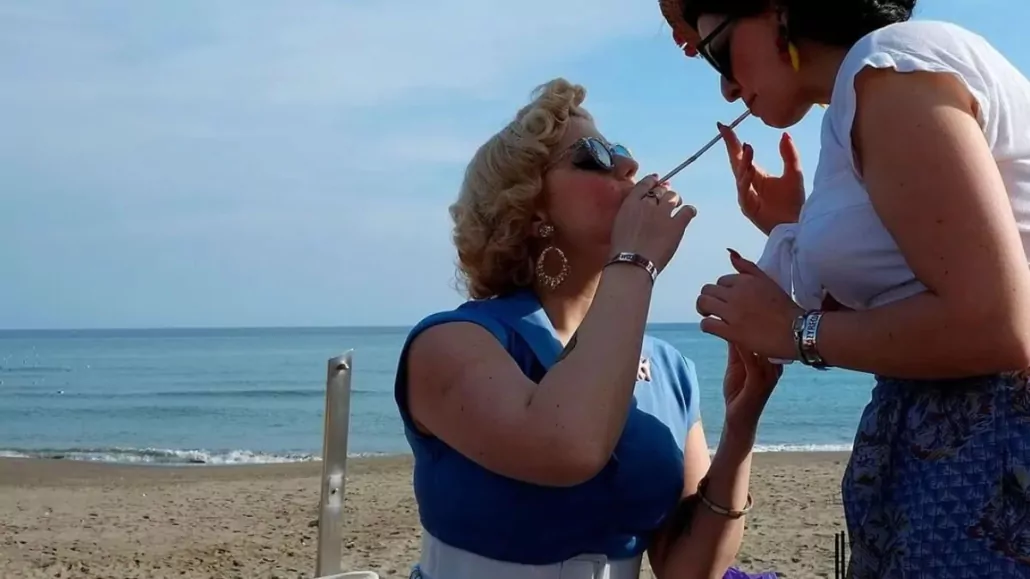
In France, a law that took effect on June 28th, amidst a historic heat wave, now prohibits smoking on beaches, in parks, and at bus stops, with fines ranging from €135 to a staggering €750. The government defends the measure with data, stating that 20,000 to 25,000 tons of cigarette butts are left on French beaches annually, with a single butt capable of polluting up to 500 liters of water. They also aim to “denormalize tobacco” to protect young people, as 90% of smokers start before age 18.
However, the reaction on the ground has been one of disbelief and defiance. “It’s ridiculous, we no longer have freedom!” protested one smoker in Palavas-les-Flots to a local newspaper. This sentiment is echoed by non-smokers as well. “I’m not a smoker, but this is a violation of my freedom,” summarized a resident of Narbonne. Many argue that the “passive smoke” argument loses ground on a spacious beach where the distance between people is significant. The inclusion of vaping and heated tobacco systems in some bans, which don’t produce cigarette butts or secondhand smoke, has further fueled the feeling that the law is more about social punishment than environmental logic. “It makes no sense to ban vaping on the beach, when we’re outdoors, with no waste or risk to others,” some beachgoers protested.
The controversy is now crossing the Pyrenees into Spain, where the Ministry of Health, led by Mónica García, is preparing a similar reform that would ban smoking and vaping on restaurant terraces and at swimming pools. The reaction there has been overwhelmingly negative. According to a survey by Hostelería de España, 70% of Spaniards reject an outright ban, preferring awareness campaigns over new restrictions. Even non-smokers in Spain largely consider the measure excessive.
The hospitality industry warns of severe economic consequences. “We are talking about key spaces for the social and economic life of the country,” the sector’s employers’ association stated. The survey found that 62% of Spaniards fear the ban will damage Spain’s tourist image, and 85% predict a “rebound effect,” where smokers will simply move their habit to public streets or private gatherings, exacerbating other issues. The employers’ association concludes, “A ban without consensus is a blow to bars, employment, and tourism.” They point to the French precedent, where Paris had to exclude the hospitality industry’s terraces from its latest expansion of smoke-free areas.
The debate over whether to prohibit or educate continues to grow, with even experts divided. While governments insist “there is no such thing as healthy tobacco,” a majority of Spaniards don’t see the need for these specific bans, and 72% of smokers admit they won’t change their habits as a result. Many, like a former smoker named Annick, believe enforcement is a pipe dream. “With so much traffic, the police will never be able to control it. Prohibitions only work with education,” she said.
As these new laws take hold, they leave behind a divided public. The question of how far the state should go in the name of health and ecology remains contentious. For now, the beaches may be smoke-free, but the controversy has only just begun.

- Indonesia: Denpasar Updates Smoke-Free Bylaw to Tighten Vape Rules - October 20, 2026
- Teen Girls Surpass Boys in Vaping Rates, Reversing Historic Trends - October 20, 2026
- Alabama: Irondale Proposes Public Vaping Ban with Fines Reaching $200 - October 20, 2026