US Tariffs & FDA Crackdown Choke Supply of Chinese Vapes
Imports Plummet as Brands Like Geek Bar Face Disruption, But Illicit Market Expected to Adapt
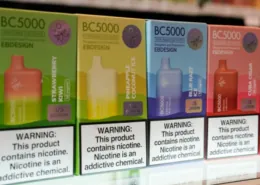
The flow of e-cigarettes from China into the United States, the world’s largest vaping market, has dramatically slowed, with official import data showing a near-total halt in May. This sharp decline is attributed to a combination of new U.S. tariffs imposed under the Trump administration and an intensified crackdown by the Food and Drug Administration (FDA) on unauthorized e-cigarettes. While this aims to curb the influx of illegal products, particularly popular disposable flavored vapes, industry insiders anticipate price hikes for consumers and a resilient black market that will continue to find ways to supply demand.
According to FDA data, only 71 shipments declared as “e-cigarettes” or “vapes” were imported from China between May 1 and May 28, a stark drop from nearly 1,200 in the same period last year. Imports had already fallen by 40-60% in the preceding months after President Trump came into office and imposed steep tariffs, which are now at 30% after peaking at 145% in April. These measures have severely impacted Chinese manufacturers, including those producing popular but FDA-unauthorized brands like Geek Bar.
Retailers and wholesalers are feeling the squeeze. One retailer told Reuters that a supplier who normally receives 100 boxes of Geek Bars per week is now getting just ten, while other suppliers have imposed unprecedented purchase limits on customers, citing “tariff-related price increases and limited market availability.” This has led to panic-buying by some U.S. buyers, further straining the supply chain.
Despite the supply crunch, U.S. vape distributors expect prices to rise but do not anticipate a significant drop in sales. “If the price goes up, the price goes up. We’re talking about nicotine here,” one distributor said, noting that addicted users will likely absorb the cost. Luis Pinto, a spokesperson for British American Tobacco’s (BAT) U.S. subsidiary, agreed that tariffs will increase prices but doubted they would be a major “barrier to usage,” especially given the hefty profit margins on many unauthorized vapes that can absorb some of the tariff costs.
The crackdown has also been bolstered by substantial vape seizures. The FDA announced a large seizure in Chicago in February, and new FDA commissioner Marty Makary has pledged to increase enforcement. However, illicit vape producers are reportedly employing various tactics to circumvent regulations, such as mislabeling shipments as “shoes” or “toys,” undervaluing their contents, or spoofing their origin to make it appear they came from lower-tariff countries like Indonesia or Mexico.
Geek Bar was by far the most popular unauthorized vape brand in the U.S. last year, accounting for about a quarter of all sales tracked by market research firm Circana, despite lacking FDA permission. The growth of such brands has eaten into the market share of major tobacco companies like Altria and BAT, which estimates that unauthorized e-cigarettes accounted for some 70% of all U.S. vape sales last year. Altria CEO Billy Gifford told investors he hoped the tariffs would lead to “much more enforcement” at the border.
The industry’s adaptability remains a key factor. Some unauthorized vape production has already reportedly shifted from China to countries like Indonesia, a trend expected to accelerate if tariffs on Chinese products remain high. As one former employee of a major Chinese vape company stated, vape makers are “highly adaptable… Whatever happens in the U.S., the industry will survive.” This suggests that while current measures may disrupt established supply chains and raise prices, the underlying demand and the global nature of manufacturing will likely lead to new avenues for both legal and illicit products to reach consumers.

- Indonesia: Denpasar Updates Smoke-Free Bylaw to Tighten Vape Rules - October 20, 2026
- Teen Girls Surpass Boys in Vaping Rates, Reversing Historic Trends - October 20, 2026
- Alabama: Irondale Proposes Public Vaping Ban with Fines Reaching $200 - October 20, 2026